
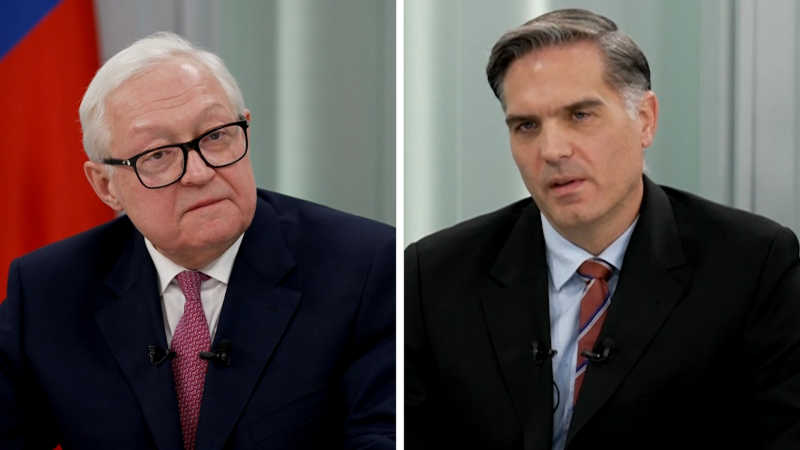
Russia has reaffirmed its unwavering commitment to Cuba amid a deepening economic and energy crisis on the island, signaling a strategic defiance of United States pressure in the Western Hemisphere. Russian Deputy Foreign Minister Serguéi Riabkov arrived in Havana this week to strengthen bilateral ties, emphasizing that Moscow will not abandon its Caribbean ally despite the complexities of the current geopolitical landscape.
The visit, which culminated in a high-level meeting with Cuban President Miguel Díaz-Canel, centers on the Russian Deputy Foreign Minister’s visit to Cuba to address critical shortages of fuel and energy. The diplomatic mission comes at a time when Cuba is grappling with a severe energy crisis, which both nations attribute to the restrictive fuel blockades and economic sanctions imposed by Washington.
During his meetings, Riabkov described the relationship between Moscow and Havana as having a “special character,” asserting that Russia remains “one hundred percent” supportive of the Cuban government. This solidarity has transitioned from diplomatic rhetoric to tangible material aid, most notably through the delivery of essential hydrocarbons to stabilize the island’s failing power grid.
The strategic timing of the visit underscores a broader tension between the Kremlin and the U.S. State Department. While Washington views the Cuban administration as a national security threat—with U.S. Secretary of State Marco Rubio calling for leadership changes in Havana—Russia is positioning itself as a reliable alternative partner capable of providing the resources Cuba needs to survive the current blockade.
Energy Security and the Arrival of the Anatoly Kolodkin
Central to the current discussions is the critical state of Cuba’s energy sector. The island has faced significant power instabilities, a situation aggravated by what Riabkov termed the “energy blockade” imposed by the United States. To mitigate this, the Kremlin has facilitated the shipment of fuel to the island, a move President Miguel Díaz-Canel described as having “great significance and much symbolism.”

A key pillar of this practical cooperation was the arrival of the Russian oil tanker Anatoly Kolodkin. According to reports from Sputnik Mundo, the vessel delivered 100,000 tons of fuel to the island to help stabilize the energy sector. This delivery occurred approximately ten days prior to the high-level diplomatic meetings in Havana.
In a separate courtesy meeting with Cuba’s Foreign Minister, Bruno Rodríguez, the delivery of the Anatoly Kolodkin was again highlighted as a vital lifeline. For the Cuban government, these shipments are a physical manifestation of the fact that “Cuba is not alone” in its struggle against U.S. Economic pressure.
Defying Washington: The Geopolitical Stakes
The visit was not merely about fuel; it served as a clear geopolitical signal to the United States. In a press conference reported by the Russian state agency Tass, Riabkov was explicit about Russia’s intentions in the region. “Russia is not going to leave the Western Hemisphere, no matter what they say in Washington,” Riabkov stated, according to Infobae.
Riabkov further emphasized the moral and political obligation Russia feels toward Havana, stating that it would be “completely unthinkable” to betray Cuba or leave the country to its fate. This rhetoric frames the relationship not just as a commercial or strategic partnership, but as a brotherhood, with Riabkov explicitly stating, “The Cubans are our brothers.”
This defiance comes as the U.S. Government maintains a hardline stance. The current administration considers the Cuban regime a threat to national security, and the pressure from the U.S. State Department has increased, focusing on the demand for structural changes within the Cuban leadership.
🇨🇺| El Presidente de la República, @DiazCanelB, sostuvo un encuentro con el viceministro de Asuntos Exteriores de la Federación de #Rusia, Serguey Ryabkov, quien llegó a nuestro país para asistir a la reunión intercancillerías entre ambos países.🧵 pic.twitter.com/MML6vn6ATi
Broadening the Scope of Cooperation
While energy is the immediate priority, the discussions between the Russian and Cuban delegations covered a wider spectrum of “practical cooperation.” According to official reports, the two nations are looking beyond oil to revitalize other sectors of their bilateral relationship that were hampered by the global pandemic and economic sanctions.
Key areas of focus include:
- Aviation: Plans for the reestablishment of direct flights between Russia and Cuba to boost movement of people and goods.
- Tourism: New projects aimed at increasing Russian tourist arrivals in Cuba, which remains a vital source of hard currency for the island.
- Diplomatic Alignment: The “inter-chancellery” meeting focused on coordinating political positions in the face of what both nations describe as an “illegal and continuous” U.S. Blockade.
President Díaz-Canel used the occasion to send a personal greeting to President Vladimir Putin, further cementing the personal and political bonds between the two heads of state.
Key Takeaways from the Diplomatic Visit
- Energy Lifeline: Russia delivered 100,000 tons of fuel via the tanker Anatoly Kolodkin to combat Cuba’s energy crisis.
- Strategic Defiance: Deputy Minister Riabkov explicitly stated that Russia will not leave the Western Hemisphere despite U.S. Opposition.
- Bilateral Expansion: Beyond fuel, both countries are working to resume direct flights and expand tourism projects.
- Political Solidarity: Russia describes its relationship with Cuba as “special” and considers the Cuban people “brothers.”
The visit concludes with a reinforced commitment to maintain “special political, economic, and commercial links.” As the U.S. Continues to tighten its economic grip on the island, the Kremlin’s willingness to provide both material resources and diplomatic cover ensures that the Cuban government has a critical alternative to Western engagement.
The next confirmed checkpoint for these relations will be the continued implementation of the agreed-upon tourism and aviation projects, as well as the monitoring of further hydrocarbon shipments to sustain the island’s energy grid.
Do you believe these strategic partnerships will be enough to offset the impact of U.S. Sanctions on Cuba? Share your thoughts in the comments below and share this analysis with your network.