
The world’s oceans are increasingly becoming a complex arena for conflict, extending beyond traditional warfare into the realm of hybrid warfare. This evolving threat leverages a diverse toolkit,from cyberattacks to influence operations,making attribution and response incredibly challenging. I’ve found that understanding these dynamics is crucial for safeguarding maritime security in the 21st century.
The Rise of Maritime Hybrid Warfare
Jurisdictions often overlap at sea, and the sheer scale of the maritime surroundings makes consistent monitoring and control exceptionally tough. According to experts, these conditions create a fertile ground for hybrid tactics. It’s a situation where identifying the responsible party for malicious acts becomes a significant hurdle.
A vessel, for instance, might be owned by a company in one nation, registered under the flag of another, and ostensibly engaged in legitimate commercial activity. determining whether an action at sea can be directly linked to a specific state actor is realy difficult
, especially when considering the layers of corporate ownership and international regulations.
Ships are now a vital and expanding component of gray zone tactics
, encompassing influence operations, cyberattacks, and sabotage. The ample growth in global trade as the end of the Cold War has transformed the seas into an appealing environment for those seeking to cause significant disruption. As of October 3, 2025, global maritime trade volume is estimated at 11.7 billion metric tons, highlighting the potential impact of disruptions.
Moscow is actively repurposing its shadow fleet
, utilizing older vessels with unclear ownership to export Russian oil and circumvent Western sanctions. While these ships initially served an economic purpose, the focus appears to be shifting towards hard power
and military pressure on Europe. This is fundamentally linked to an effort to erode the confidence of European allies supporting Ukraine.
The shadow fleet, comprised of over 600 tankers, has significantly increased oil shipments from Russia to Asia as the imposition of sanctions in December 2022, according to a recent report by the Atlantic Council (September 2025).
The increasing prominence of drones in conflicts, particularly in Ukraine, has also sparked interest in Moscow.Russia has dramatically increased its drone production capacity and is now exploring their use in hybrid warfare operations, with ships serving as advantageous launch platforms, analysts suggest.
A Difficult Threat to Counter
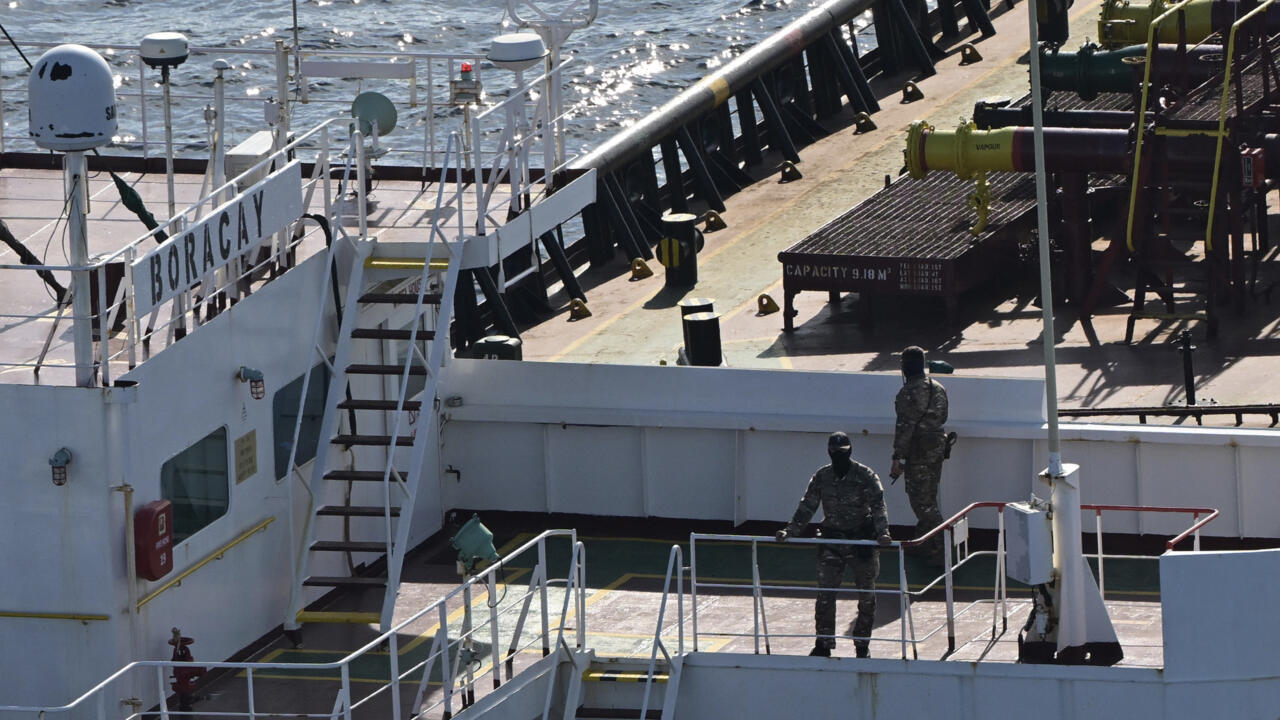
Effectively countering this floating threat presents a considerable challenge. Last week, the French navy boarded the tanker Boracay, even though it was located just outside France’s exclusive economic zone. Following a brief detention, the ship’s Chinese captain was released, and the vessel resumed its voyage.
However, this boarding sets a precedent
. While justifiable in the context of countering Russian hybrid threats, it raises concerns about whether other nations, potentially less concerned with legal boundaries, might exploit this as a justification for seizing ships beyond their territorial waters. Here’s what works best: a cautious, internationally coordinated approach is essential.
For many experts, prioritizing enhanced intelligence gathering in the maritime domain is paramount.This will enable quicker determination of responsibility for antagonistic acts. Or else, a ship involved in a sabotage operation could simply sail away, leaving only ambiguous suspicions in its wake.
| Hybrid Warfare Tactic | Description | Maritime Application |
|---|---|---|
| Cyberattacks | Disrupting systems and networks through malicious code. | Targeting port infrastructure, ship navigation systems, or cargo manifests. |
| Influence Operations | Spreading disinformation to manipulate perceptions. | Creating narratives to undermine confidence in maritime trade routes or international regulations. |
| Sabotage | Deliberately damaging or destroying assets. | Attacking underwater pipelines, disrupting shipping lanes, or damaging vessels. |
Invest in advanced maritime domain awareness (MDA) technologies, including satellite imagery, AIS data analysis, and machine learning algorithms, to improve threat detection and tracking.
The situation demands a proactive and collaborative international response, focusing on intelligence sharing, coordinated patrols, and the growth of clear legal frameworks for addressing these emerging threats. It’s a complex puzzle, but one we must solve to ensure the safety and security of the world’s oceans.
Evergreen Insights: The Enduring Challenge of Maritime Security
Throughout history, the seas have been both a conduit for prosperity and a stage for conflict. The nature of that conflict is evolving, but the fundamental challenges remain the same: protecting trade routes, safeguarding national interests, and maintaining freedom of navigation. The rise of hybrid warfare simply adds another layer of complexity to this enduring equation. I believe that a long-term perspective, coupled with continuous adaptation and innovation, is essential for navigating this challenging landscape.
Frequently Asked Questions About Maritime Hybrid Warfare
- What is maritime hybrid warfare? It’s the use of unconventional tactics – like cyberattacks and disinformation - combined with traditional military methods to achieve strategic objectives at sea.
- How does Russia utilize its shadow fleet? Moscow employs these vessels to circumvent sanctions by exporting Russian oil, while also potentially using them for military pressure and intelligence gathering.
- Why is attribution so difficult in maritime incidents? Ships often have complex ownership structures and operate under different flags, making it hard to pinpoint responsibility for malicious acts.
- What role do drones play in this evolving threat? Drones are increasingly used for reconnaissance, surveillance, and potential attacks, with ships serving as mobile launch platforms.
- What can be done to counter maritime hybrid warfare? Strengthening intelligence gathering, enhancing maritime domain awareness, and fostering international cooperation are crucial steps.
- Is the boarding of the Boracay tanker a concerning precedent? Yes, it raises concerns about potential abuses of authority and the need for clear international legal frameworks.
- What is the impact of global trade on maritime security? The vast increase in global trade creates more opportunities for disruption and makes the seas a more attractive target for malicious actors.


