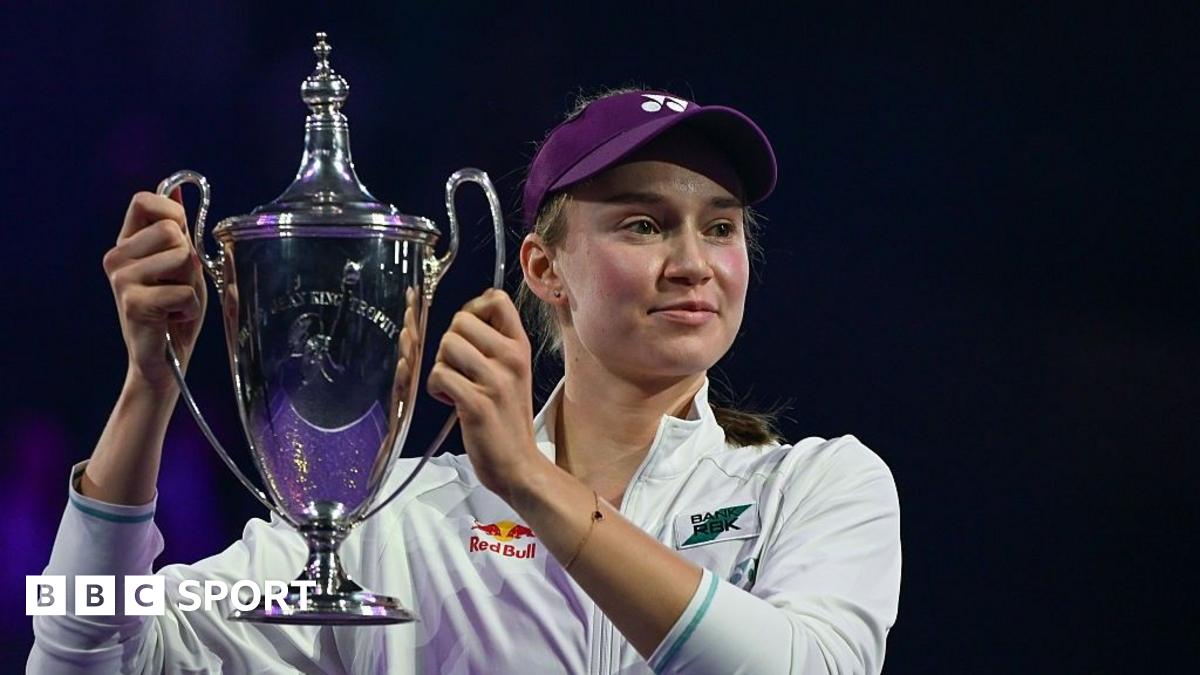
Elena Rybakina‘s protest: Decoding the WTA Finals Photo Snub
Elena Rybakina recently achieved a monumental victory, claiming the largest prize in women’s tennis history at the 2023 WTA Finals. However, her triumph was promptly followed by a striking moment of defiance. Rybakina notably refused to join WTA Tour CEO Portia Archer and her opponent, Aryna Sabalenka, for the conventional post-match celebratory photograph. What prompted this deliberate act, and what does it signify for the future of the sport?
A Victory Marred by Controversy
Rybakina defeated world number one Aryna Sabalenka in straight sets, securing a staggering £3.98 million prize. Despite the win propelling her to a career-high fifth in the world rankings, the kazakh player remained visibly separate during the celebrations. Reports indicate she was specifically asked to join Archer and Sabalenka, but declined.
This incident didn’t occur in a vacuum. It follows a season marked by tension between Rybakina and the WTA, specifically concerning the governing body’s handling of her coaching situation.
The Vukov Controversy: A Timeline of Events
The core of the issue centers around Rybakina’s coach,Stefano Vukov. Earlier in the year, the WTA suspended Vukov after an independant investigation into allegations of breaching the organization’s code of conduct regarding his behavior towards Rybakina.
rybakina publicly voiced her disagreement with the WTA’s actions at the Australian Open in January. She stated she didn’t “agree with a lot of things” the governing body was doing concerning her professional relationship with Vukov. Importantly, Rybakina consistently maintained that she had never experienced any mistreatment from her coach.
Vukov vehemently denied any wrongdoing.Following the lifting of his ban in August, he was present at the WTA Finals to witness Rybakina’s victory. This context is crucial to understanding the potential motivations behind her actions.
Decoding Rybakina’s Message
While Rybakina has remained tight-lipped about the specific reasons for refusing the photo opportunity, the timing and circumstances strongly suggest a protest. It appears to be a pointed statement regarding the WTA’s handling of the Vukov situation and a broader expression of dissatisfaction with the organization’s policies.
Consider thes possibilities:
* Solidarity with her coach: Rybakina may have been demonstrating unwavering support for Vukov, signaling her belief in his innocence and disapproval of the initial suspension.
* A call for transparency: The incident could be a demand for greater transparency and fairness in the WTA’s disciplinary processes.
* A broader critique of WTA governance: Rybakina’s actions might represent a wider discontent with the WTA’s leadership and decision-making.
what Does This Mean for Women’s Tennis?
Rybakina’s protest raises important questions about player agency and the power dynamics within professional tennis. It highlights the potential for conflict between players and governing bodies, particularly when issues of fairness and due process are at stake.
This situation could encourage other players to speak out against perceived injustices. It also places pressure on the WTA to address concerns about its governance and ensure a more equitable surroundings for all athletes.
Ultimately, Rybakina’s bold move has sparked a conversation that extends beyond a single photograph. Its a conversation about respect,fairness,and the future of women’s tennis.
Evergreen Insights: Player-Governing Body Relationships in Tennis
The tension between players and governing bodies is a recurring theme in tennis history. From disputes over prize money and tournament scheduling to disagreements over rules and regulations, athletes have often found themselves at odds with the organizations that oversee the sport.
Several factors contribute to these conflicts:
* Conflicting interests: Players prioritize their careers and earning potential,while governing bodies focus on the overall health and promotion of the sport.
* Power imbalances: Governing bodies often hold important power over players, controlling tournament access and enforcing rules.
* Lack of transparency: Players may feel excluded from decision-making processes, leading to mistrust and resentment.
Successful resolution of these conflicts requires open interaction, mutual respect, and a willingness to compromise. A collaborative approach, where players





![Embryo Implantation Failure: Causes & What You Can Do [Podcast]](https://i0.wp.com/kevinmd.com/wp-content/uploads/Design-3-scaled.jpg?resize=150%2C100&ssl=1 "Embryo Implantation Failure: Causes & What You Can Do [Podcast]")