
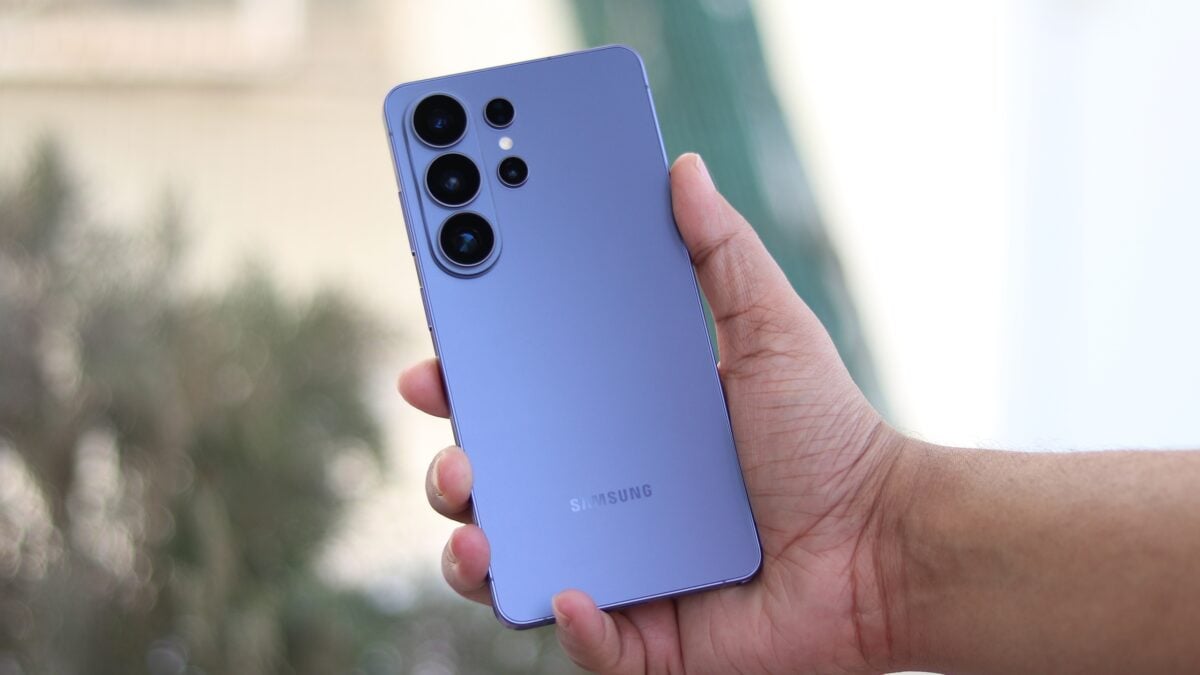
Samsung is pushing the boundaries of mobile cinematography, transforming the way fans experience high-energy athletics through Galaxy S26 Ultra sports broadcasting. In a bold move to bring viewers closer to the action, the tech giant integrated its latest flagship device directly into the heart of one of skateboarding’s most prestigious events.
On April 4, the Street League Skateboarding (SLS) DTLA Takeover in Downtown Los Angeles became a testing ground for this new approach. For the first time, the Galaxy S26 Ultra was used to live film the competition, offering a perspective that traditional, bulky broadcast equipment simply cannot achieve.
By embedding mobile devices within the course, Samsung is attempting to bridge the gap between the athlete’s experience and the audience’s view. This initiative follows the device’s high-profile appearance at the opening ceremony of the recently concluded 2026 Winter Olympics, signaling a broader strategy to embed mobile technology into professional sports production.
Redefining the Skateboarding Perspective
The implementation at the DTLA Takeover was not merely about adding more cameras, but about placing them in locations previously inaccessible to broadcast crews. The Galaxy S26 Ultra devices were embedded directly into main course features, including rails, ledges, and gaps via The Tech Buzz.

This placement allowed the broadcast to capture “skater-level” perspectives, giving viewers a visceral sense of the speed and precision required for professional street skating. Samsung views this ability to place cameras inside the action as a crucial element in strengthening the emotional connection between the fans and the athletes.
From Sydney to Los Angeles: Scaling the Galaxy POV
The DTLA event represents a significant scale-up of the “Galaxy POV” (point of view) concept. This approach was first introduced earlier this year during the SLS event in Sydney, Australia. Even as the Sydney debut proved the concept, the 2026 season has seen the technology integrated more deeply across the entire SLS circuit.
By evolving from a novelty to a core part of the production, the Galaxy S26 Ultra is being positioned as a viable broadcast tool. This shift mirrors a growing trend in the industry where mobile devices are increasingly used to supplement traditional camera arrays via PhoneArena.
Technical Integration in Live Production
One of the most significant hurdles in using mobile phones for professional sports is the integration into the live production workflow. For the DTLA Takeover, all footage captured by the Galaxy S26 Ultra was fed directly into the live production stream. This allowed directors to utilize near-instant replays, ensuring that the unique angles provided by the mobile devices were available to viewers in real-time.
To maintain professional standards during high-speed motion, Samsung utilized the device’s “Super Steady” feature. This technology ensures that the footage remains smooth and level, even when the camera is positioned in high-impact areas of the skate course. This combination of stability and agility is what allows Galaxy S26 Ultra sports broadcasting to expand the creative possibilities of a live event.
According to official communications, the goal is to unlock new perspectives that bring the camera “inside the action,” moving beyond the static wide shots typical of sports coverage via samsung.com.
With the success of the DTLA Takeover and the Winter Olympics, it is likely that this mobile-integrated broadcasting model will be applied to other sporting events throughout the year.
We will continue to monitor how Samsung integrates its hardware into future global sporting events. Share your thoughts in the comments below: do you think mobile-first broadcasting will eventually replace traditional camera setups in extreme sports?