
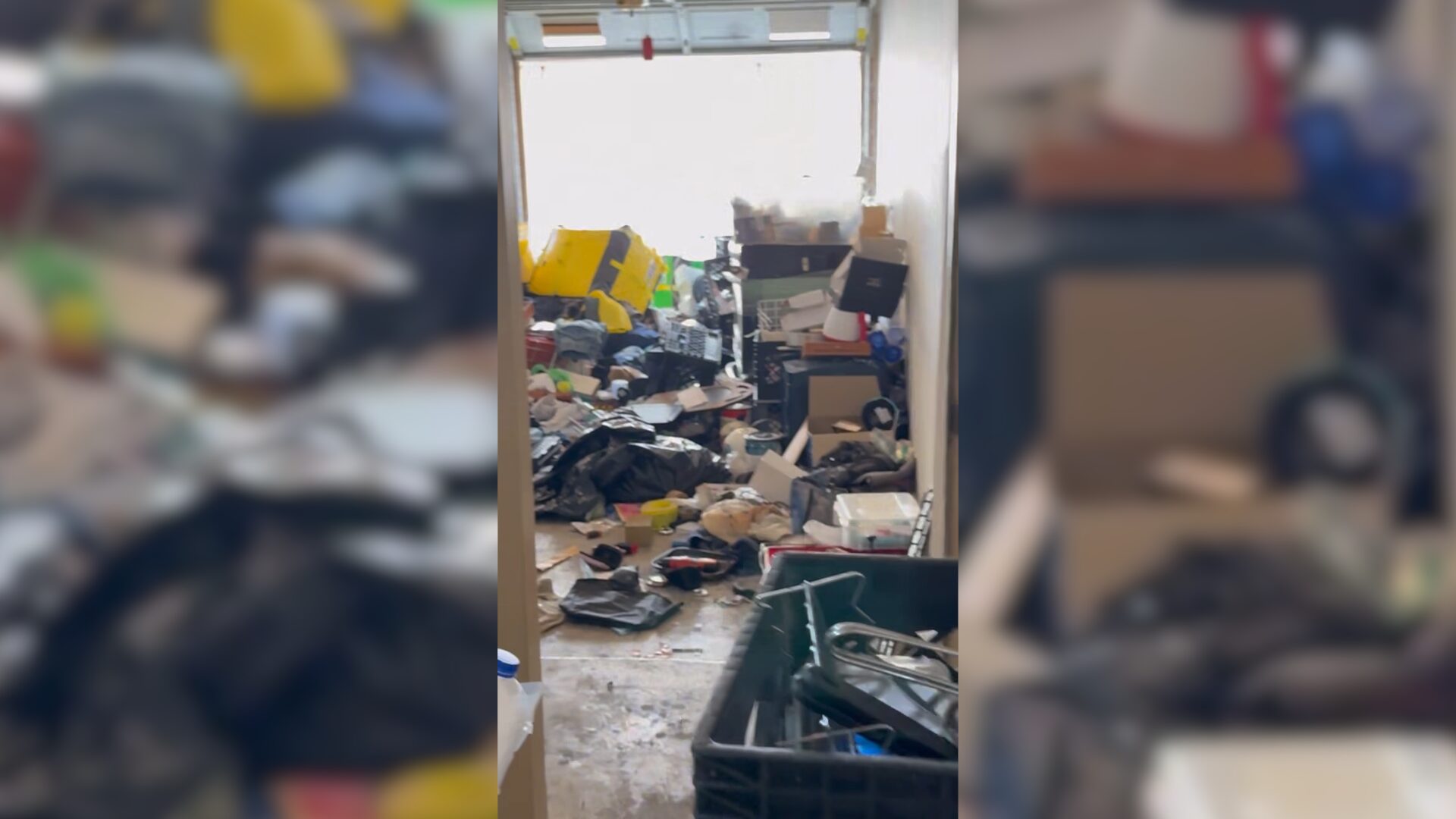
For most real estate professionals, the acquisition of a new property is a milestone of investment and growth. However, for Irma Méndez, a seasoned real estate agent with over 20 years of experience, a recent purchase in Chula Vista turned into a grueling lesson in the vulnerabilities of property ownership and the systemic failures of the local judiciary.
Méndez discovered that her new acquisition was not the vacant asset she expected, but was instead occupied by an unknown individual who refused to vacate the premises. What followed was a protracted legal battle that highlights a growing crisis of illegal occupant eviction in San Diego, where the intersection of property rights and a saturated court system has left homeowners in a precarious position.
The case serves as a stark warning to investors and homeowners across Southern California. When a property is invaded by a squatter, the path to recovery is rarely swift, and the financial and emotional toll can be devastating. In Méndez’s case, the struggle to regain control of her home lasted nearly a year, during which the property suffered extensive degradation.
The Chula Vista Conflict: From Investment to Nightmare
The ordeal began when Méndez entered the property she had purchased, only to find it occupied by a stranger. The situation was complicated by the occupant’s tactical leverage of utility services; according to reports, the individual had successfully placed the gas and electricity accounts in his own name, a move that complicates the immediate removal of unauthorized residents reported by Telemundo 20. Since the property is part of a homeowners association (HOA), the water costs continued to be covered, effectively subsidizing the illegal occupant’s stay.
In an attempt to resolve the matter without a lengthy legal fight, Méndez attempted to negotiate with the man, offering him money in exchange for the keys. This “cash for keys” approach is a common strategy used by landlords and owners to avoid the costs and delays of the court system. However, the individual refused the offer and remained in the residence, forcing Méndez to initiate formal legal proceedings to recover her property.
The physical state of the home upon her eventual reentry revealed the true cost of the delay. Méndez reported that the occupant had caused significant damage to the electrical systems and plumbing, and had drilled holes into the walls. The interior of the condominium was found filled with accumulated trash and hate messages, leaving the property essentially destroyed.
Judicial Bottlenecks and the San Diego Court Crisis
The most alarming aspect of this case is not the act of squatting itself, but the timeline of the legal remedy. It took approximately 10 months for authorities to successfully evict the occupant. For a property owner, ten months of unauthorized occupancy represents not only a loss of potential income or utility but a period of unchecked liability and potential destruction.

Méndez attributed this delay to a saturated judicial system, noting that homeowners are left waiting in long queues just to have their cases heard. This sentiment is echoed by legal experts who point to the overwhelming workload of the San Diego courts as a primary driver for these delays as detailed in the case report. When the courts cannot process eviction filings in a timely manner, the “legal” protection afforded to occupants—even those without a lease—effectively becomes a shield for illegal residents.
The Economic Impact of Prolonged Evictions
From a business perspective, the delay in the judicial process transforms a real estate asset into a liability. The economic damages in the Méndez case include:
- Direct Property Damage: Costs associated with repairing electrical, plumbing, and structural damage (walls).
- Opportunity Cost: Ten months of lost rental income or the inability to occupy the home.
- Operational Costs: HOA-covered water and the cost of legal representation during the 10-month battle.
- Clean-up Costs: The removal of accumulated trash and the remediation of hate speech/graffiti.
A Growing Trend Across Southern California
The situation in Chula Vista is not an isolated incident. The occupation of properties by unauthorized individuals has become a significant problem across Southern California according to regional property guides. This trend has created a new niche in the real estate service industry: professional illegal occupant eviction services.
As traditional legal routes become slower and more cumbersome, there has been a rise in demand for specialized services. These range from on-demand mediators to specialized eviction firms operating within the San Diego area as noted by Realtor.com. These services aim to bridge the gap between the moment a squatter is discovered and the moment a court finally grants an eviction order.
Key Takeaways for Property Owners
- Due Diligence: The risk of “blind” purchases is high; verifying the occupancy status of a property before closing is critical.
- Utility Monitoring: Unauthorized changes to utility accounts can be an early warning sign of illegal occupancy.
- Legal Timelines: Owners should prepare for significant delays in the San Diego court system, which can extend the eviction process to nearly a year.
- HOA Risks: Homeowners association structures may inadvertently provide essential services (like water) to illegal occupants.
What This Means for the Real Estate Market
When the legal system fails to protect property rights efficiently, it introduces a layer of risk that can deter investment. For professional agents like Irma Méndez, the experience underscores that expertise in the market does not insulate one from the failures of the judicial infrastructure. The “saturation” of the courts creates a vacuum where illegal occupants can reside with relative impunity for months at a time.
As Southern California continues to grapple with housing instability and legal loopholes, the demand for judicial reform and more streamlined eviction processes is likely to grow. Until such reforms are implemented, property owners must remain vigilant and potentially seek out specialized mediation services to avoid the decade-month delays seen in the Chula Vista case.
The case of Irma Méndez concludes with the recovery of the property, but the victory is pyrrhic. The physical and financial damage left behind serves as a permanent reminder of the fragility of ownership in a system where the courts move slower than the people who exploit them.
World Today Journal will continue to monitor updates regarding judicial backlog in San Diego and any legislative changes to California’s eviction laws. We invite our readers to share their experiences with property management and legal delays in the comments below.