Rising Tensions in Yemen: A Breakdown of the Recent Conflict & What It Means For You
Yemen remains a nation fractured by conflict, and recent escalations are raising serious concerns about the future of stability in the region. This isn’t a new crisis, but a complex layering of existing tensions – a civil war, separatist movements, and regional power plays – all converging to create a volatile situation. As someone following global affairs,understanding the nuances of this conflict is crucial. Here’s a detailed look at what’s happening, why it matters, and what you need to know.
The Core of the Conflict: A Nation Divided
The current crisis stems from a civil war that began in 2014, when Houthi rebels ousted the internationally recognized government from Sanaa, the capital city. This led to a saudi-led coalition intervention in 2015, aiming to restore the government’s authority.However, the conflict quickly became far more complicated.
Here’s a breakdown of the key players:
* houthis: A Zaidi Shia Muslim rebel group backed by Iran. Thay control notable territory in northern Yemen.
* Internationally Recognized Government: Supported by the Saudi-led coalition, it struggles to maintain control over much of the country.
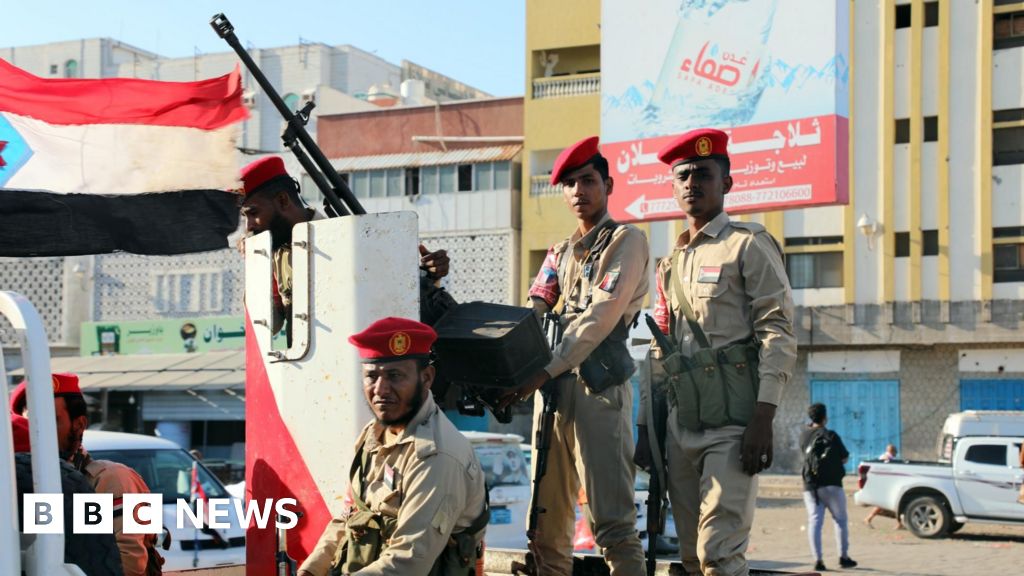
* Southern Transitional Council (STC): A separatist movement seeking independence for South Yemen, which was a separate nation before 1990. They’ve gained significant control in the south.
* Saudi-led Coalition: Primarily Saudi Arabia and the United Arab Emirates (UAE), intervening to support the government and counter Iranian influence.
Recent Escalations: A Coalition Fracture & Emergency Declaration
The situation dramatically escalated this week with a series of events highlighting a growing rift within the Saudi-led coalition itself. The head of Yemen’s Presidential Council, Rashad al-Alimi, took decisive action, signaling a significant shift in the power dynamics.
Here’s what unfolded:
* Defense Pact Cancelled: Al-Alimi cancelled a joint defense pact with the UAE and ordered its forces to leave Yemen. This move was framed as a necessity to safeguard the security of all Yemeni citizens and uphold the nation’s unity.
* State of Emergency Declared: A 90-day state of emergency was declared to confront both the Houthis and what Alimi described as “internal strife” instigated by elements receiving orders from the UAE. This is a direct accusation of external interference.
* Coalition Airstrike: The Saudi-led coalition conducted an airstrike on weapons and military vehicles belonging to the STC in the port of Mukalla. They claimed the shipment posed an “imminent threat” to peace and stability.
* UAE Response: The UAE’s foreign ministry expressed surprise at the strike, stating it occurred without consultation. They insisted the shipment contained no weapons, but rather equipment for Emirati forces operating within Yemen.
why This Matters: Regional Implications & Humanitarian Crisis
These events aren’t isolated incidents. they represent a dangerous breakdown in coordination within the coalition and a potential escalation of the conflict.
Here’s why you should pay attention:
* Weakened Coalition: The public disagreement between Saudi Arabia and the UAE undermines the coalition’s effectiveness and raises questions about its long-term viability.
* Increased Instability: A fractured coalition could embolden both the Houthis and the STC, leading to further clashes and a deepening of the conflict.
* Humanitarian Catastrophe: Yemen is already facing one of the world’s worst humanitarian crises. Escalated fighting will only exacerbate the suffering, impacting millions who rely on aid for survival. Over 150,000 people are already estimated to have died consequently of the conflict.
* Geopolitical Ramifications: the conflict is a proxy war between Saudi arabia and Iran, with broader implications for regional stability.
The STC’s Role & Shifting Alliances
The STC’s recent offensives in Hadramawt and al-Mahra provinces have further complicated the situation. they claim these operations are necessary to “restore stability” in the south, combat the Houthis, and fight against jihadist groups like al-Qaeda and Islamic State.
However, their actions are viewed by the government as a power grab and a challenge to its authority. The STC initially allied with