Safeguarding Fruitful Futures: Why Preserving Heirloom Varieties is Crucial for Food security
The demand for high-yielding, easily stored fruit varieties has driven modern agriculture for decades. However, as climate change intensifies, a growing consensus among experts points to a critical need: embracing the genetic diversity found in heirloom and traditional fruit varieties. This isn’t simply a matter of nostalgia; it’s about ensuring our future food security.
The Looming Challenges to Modern Agriculture
Contemporary fruit production often prioritizes uniformity and efficiency. Consequently, we’ve narrowed the genetic pool, making our crops vulnerable. Consider thes points:
* Modern varieties, while productive, can lack the resilience to adapt to increasingly erratic whether patterns.
* A single,widespread disease can decimate large swathes of genetically similar crops.
* reliance on a limited number of varieties diminishes the nutritional diversity in your diet.
“Heirloom varieties… are able to adapt to climate change, to more severe water shortages, to extremes of cold and heat,” explains Mario Marino, from the climate change division of the UN’s Food and Agriculture Organization. But,he cautions,even these resilient varieties aren’t immune to unforeseen threats.
The Power of Heritage: Italy’s Archeologia Arborea
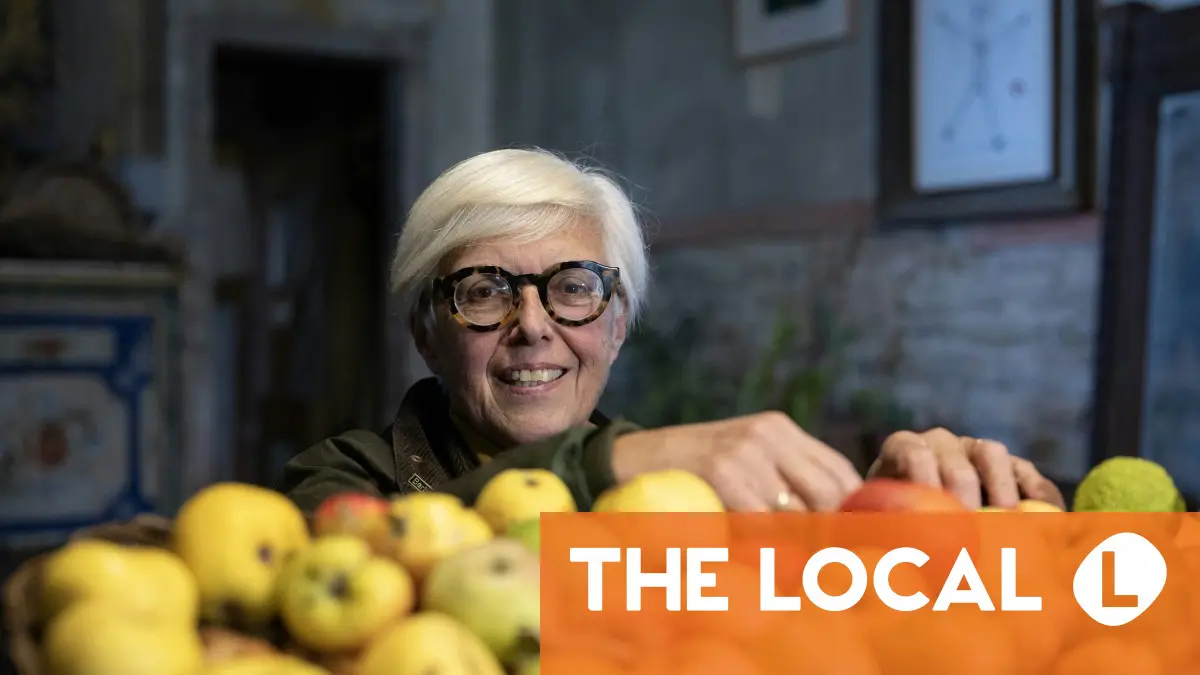
In the rolling hills of Umbria, Italy, Isabella Dalla Ragione is leading a vital effort to preserve this agricultural heritage. Her foundation, Archeologia Arborea, is a living archive of forgotten fruit varieties.
Carefully collecting and cultivating these old cultivars isn’t merely about preserving the past. Dalla Ragione emphasizes that it’s about building a more secure future. Researchers can access her collection, and historical gardens are being recreated as part of an EU-funded project to host these recovered varieties.
Why Heirloom Varieties Matter – A Deeper Dive
Consider the benefits of integrating heirloom genetics into modern breeding programs:
* Resilience: Heirloom varieties frequently enough possess natural resistance to local pests and diseases.
* Adaptability: They’ve evolved over generations to thrive in specific microclimates.
* Flavour & Nutrition: Many heirloom fruits boast unique and superior flavor profiles, alongside perhaps higher nutritional content.
* Genetic Resources: Their DNA holds untapped potential for developing new, climate-ready crops.
“We don’t do all this research and conservation work out of nostalgia, out of romanticism,” dalla Ragione states. “We do it because when we lose variety, we lose food security, we lose diversity and the system’s ability to respond to various changes, and we also lose a lot in cultural terms.”
A Race Against Time: Capturing Lost Knowledge
Dalla Ragione’s work is a detective story, piecing together clues from monastery orchards, noble estates, and even the diaries of 19th-century band directors. She once traced a specific pear variety to a village in southern Umbria based on a mention in such a diary.
However, a critical element is being lost: the traditional knowledge held by generations of farmers. As these individuals pass away, invaluable insights into cultivation techniques and local adaptations disappear with them.
Consequently, Dalla Ragione prioritizes immediate preservation. “In the past if I’ve delayed, thinking ’I’ll do it next year’, I’ve found the plant has since gone.”
The Path Forward: Hybridizing the Old and the new
The solution, according to experts like Marino, lies in strategic hybridization. Carefully crossing modern, high-yielding varieties with the resilience and adaptability of heirlooms can create crops that are both productive and prepared for the challenges of a changing climate.
Ultimately, safeguarding our fruit-bearing future requires a shift in outlook. You must recognise that preserving agricultural biodiversity isn’t just an environmental imperative; it’s a basic pillar of food security and cultural heritage. It’s a legacy we must protect for generations to come.
Image Captions (as provided):
* Isabella Dalla Ragione picks apples in the orchard collection of the Archeologia Arborea foundation. Photo by Tiziana FABI / AFP
* Isabella Dalla Ragione with part of the foundation’s collection. Photo by Tiziana FABI / AFP