
The Shifting sounds of hip-Hop: Authenticity, Accent, and the drake-Sean Paul Debate
Have you ever stopped to consider how an artist sounds, beyond the lyrics they deliver? In hip-hop, a genre built on innovation and cultural exchange, the question of accent and vocal inflection is sparking a fascinating debate. Recent commentary from dancehall legend Sean paul regarding Drake‘s stylistic choices has ignited a conversation about authenticity, appropriation, and the very definition of influence in modern music. Is it possible to honor a culture without perfectly replicating its sound? and where does artistic experimentation cross the line?
This article dives deep into the nuances of this discussion, exploring the perspectives of key players like Sean Paul, Drake, and Young Thug, and examining the broader implications for hip-hop’s evolving identity.
The Spark: Sean Paul on drake’s Jamaican Inflection
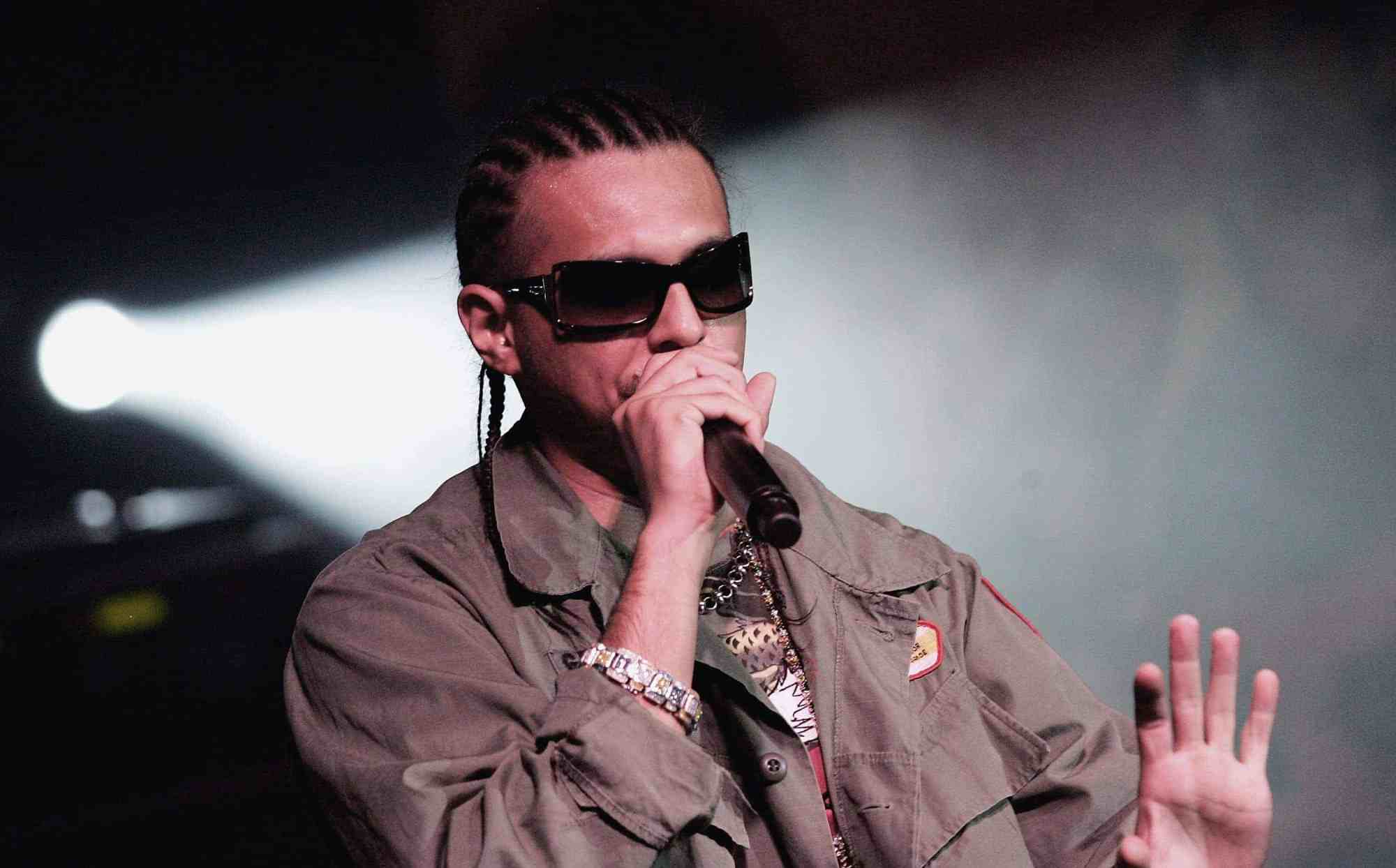
The conversation began when Sean Paul offered a candid assessment of Drake’s attempts at a Jamaican patois. While playfully critical – “It ain’t that great… But it’s a thing” – his comments weren’t intended as a harsh rebuke. instead, they highlighted a complex dynamic.
Sean Paul astutely pointed out the potential for reciprocal critique. He acknowledged that his North American cadence might face scrutiny if he were to attempt a more localized Jamaican delivery. This self-awareness underscores a crucial point: cultural exchange is a two-way street. When artists borrow from other cultures, it should be viewed as a celebration of global interconnectedness, not an act of appropriation.
Drake’s Global Palette: Beyond jamaican Patois
Drake’s musical explorations extend far beyond a single accent. He’s consistently demonstrated a willingness to incorporate diverse linguistic and stylistic elements into his work.
* U.K. grime slang frequently peppers his verses.
* Collaborations with artists like Bad Bunny and Fuerza Regida showcase his experimentation with Spanish lyrics.
This willingness to bridge global musical expressions is undeniably ambitious. However, it also raises legitimate questions about the boundaries between homage and appropriation – a tightrope walk for any artist navigating diverse cultural influences.
Influence Redefined: Young Thug Weighs In
The debate isn’t solely about vocal inflection. It’s also about influence and legacy.During a recent stream with Adin Ross, Young Thug offered a compelling perspective on Drake’s impact. He argued that Drake’s consistent support of other artists often overshadows even Kendrick Lamar’s critical acclaim.
“Drake just did more, he put more people on,” Thug stated. He acknowledged Kendrick Lamar’s immense talent (“He’s without a doubt No. 1 ever in life who could possibly come out of L.A.”) but emphasized the tangible impact of Drake’s collaborative spirit. This highlights a shift in how influence is measured in hip-hop – it’s no longer solely about lyrical prowess or artistic innovation, but also about the ability to elevate others.
The Evolving Soundscape of Hip-Hop
The discussion surrounding accent in hip-hop reflects a larger conversation about identity, creativity, and cultural exchange. Sean Paul’s reflections reveal a deep respect for the genre’s evolution and its increasingly global nature.
Hip-hop has always been a melting pot of influences. From its roots in the Bronx to its current status as a global phenomenon, the genre has thrived on innovation and the blending of diverse sounds. This ongoing dialog ensures that hip-hop remains a dynamic forum where authenticity, influence, and artistic expression constantly intersect. While accents may shift and styles evolve, the cultural footprint of artists like Sean Paul and Drake will undoubtedly endure.
Evergreen Insights: The enduring Power of Vocal Identity
The importance of vocal identity in music isn’t limited to hip-hop. Throughout music history, distinctive voices have defined genres and captivated audiences. Consider:
* Bob Marley’s instantly recognizable Jamaican patois, which became synonymous with reggae.
* Louis Armstrong’s gravelly voice, a cornerstone of early jazz.
* Janis Joplin’s raw and emotive delivery, a defining characteristic of the psychedelic rock era.
These artists didn’t just sing songs; they sounded like something unique. Their vocal identities became integral to their artistic brands and contributed significantly to their lasting legacies. In a world of increasing musical homogenization, cultivating a distinctive vocal identity is more crucial than ever. Artists who can authentically express themselves through their voice - nonetheless of accent or inflection - are the ones who will truly resonate with audiences.





