
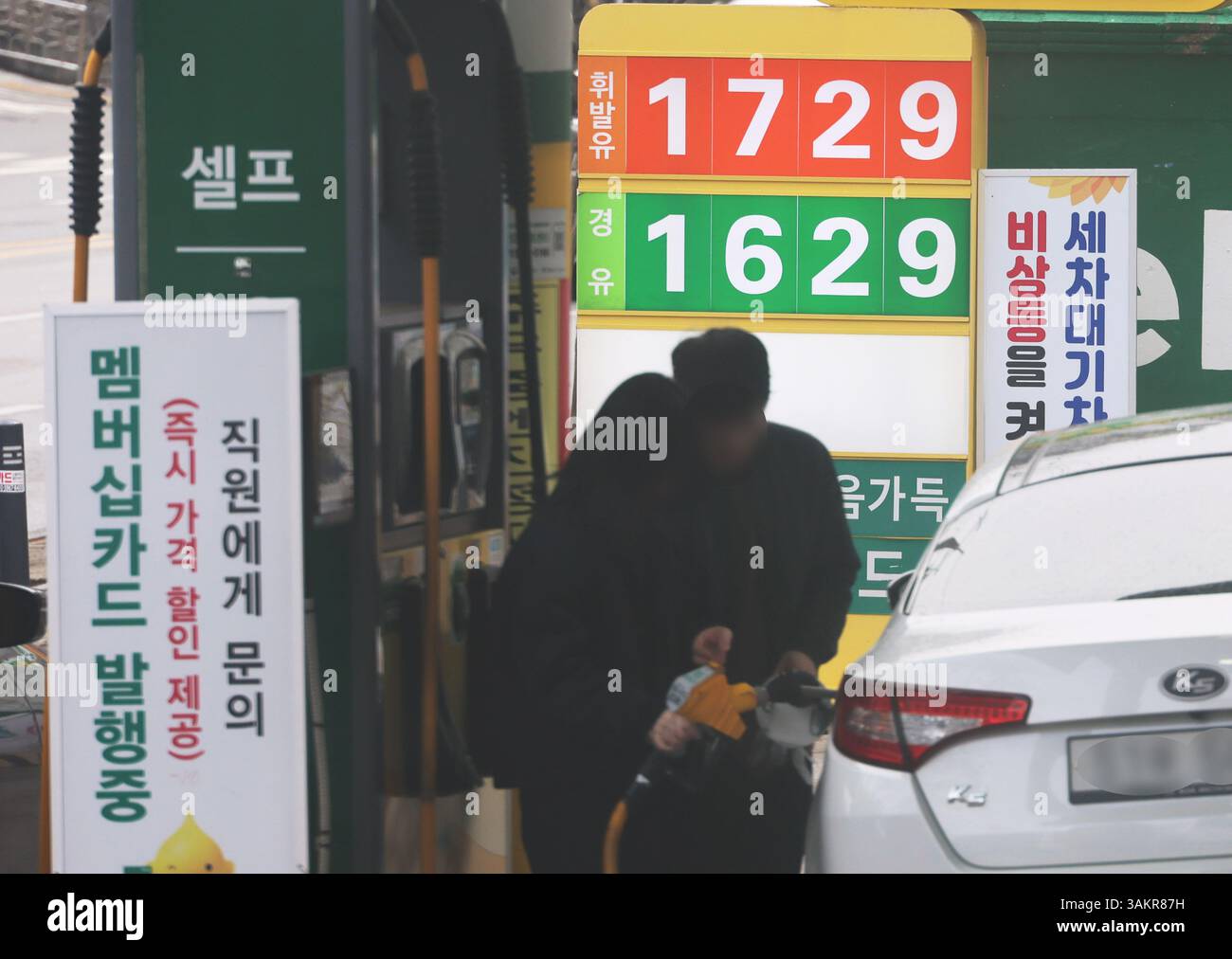
Fuel prices in South Korea’s capital have reached a critical threshold, as Seoul diesel prices exceed 2,000 won per liter for the first time in nearly four years. This surge follows a similar spike in gasoline prices, signaling a period of intense pressure for motorists and logistics operators in the metropolitan area.
According to data from Opinet, the oil price information site operated by the Korea National Oil Corporation, the average price of diesel in Seoul rose to 2,000.2 won per liter as of 9:00 a.m. On April 9, 2026, an increase of 5.5 won from the previous day The Fact. This marks the first time diesel has crossed the 2,000-won mark since the government implemented a maximum price system for petroleum products in response to prolonged Middle East instability.
The current price level is the highest seen since August 4, 2022, when the global energy market was severely disrupted by the Russia-Ukraine war. This represents a return to these extreme price levels after approximately 3 years and 8 months The Fact. The trend is not limited to diesel. Seoul’s average gasoline price has also climbed to 2,017.8 won per liter, continuing an upward trajectory that began on April 7 The Fact.
The volatility is driven by a complex mix of geopolitical tensions and supply chain disruptions. Even as the U.S. And Iran recently entered a two-week truce, the Strait of Hormuz remains effectively blocked, which continues to exert upward pressure on energy costs despite a temporary 10% drop in international oil prices The Fact.
Geopolitical Pressures and the Strait of Hormuz
The primary driver behind the current price surge is the instability in the Middle East. The Strait of Hormuz, a vital artery for global oil shipments, is currently described as being “effectively blocked,” which has neutralized the impact of recent dips in international crude benchmarks The Fact. Brent crude for June delivery and West Texas Intermediate (WTI) for May delivery are both hovering around the $97 per barrel mark The Fact.
For the average consumer in Seoul, these global shifts translate into immediate costs at the pump. The disparity between stations remains significant; in the Seoul area, the lowest diesel price recorded was 1,895 won per liter, while the highest reached 2,480 won The Fact. This volatility underscores the fragility of the domestic energy market when faced with external supply shocks.
National Trends and Gasoline Volatility
While Seoul is experiencing the most acute price spikes, the trend is mirrored nationwide. The national average for diesel rose by 4.4 won from the previous day to reach 1,973.9 won per liter The Fact. Similarly, the national average for gasoline has risen by approximately 4 won, reaching 1,981.8 won per liter, bringing it very close to the 2,000-won threshold The Fact.

This simultaneous rise in both fuel types creates a compounding economic burden on the transport sector. Diesel is the primary fuel for commercial trucking and public transit, meaning these price hikes are likely to ripple through the broader economy, potentially increasing the cost of goods and services as logistics providers pass on the added expense.
Government Intervention: The Maximum Price System
In an effort to curb the runaway costs of fuel, the South Korean government has utilized a “maximum price system” for petroleum products. This policy is designed to prevent excessive price gouging during periods of extreme international instability, such as the current Middle East crisis The Fact.
The government is actively monitoring the situation and is expected to adjust these caps frequently. On the afternoon of April 9, the government planned to determine the third set of maximum prices for petroleum products, with the new regulations scheduled to grab effect at midnight the following day The Fact.
Impact on Consumers and Motorists
The psychological and financial impact of crossing the 2,000-won threshold is significant for South Korean drivers. For many, this price point represents a “ceiling” that was previously only seen during the height of the 2022 energy crisis SBS Biz. With gasoline already having entered the 2,000-won range on April 7, the addition of diesel to this bracket leaves few options for cost-conscious commuters.
To manage these costs, many drivers are turning to real-time price tracking services. Tools based on official Opinet data allow users to find the cheapest gas stations within a 5km radius, which is crucial given that prices can vary by dozens or even over 100 won per liter between different stations in the same neighborhood Kireum Jubio.
Key Price Benchmarks (April 9, 2026)
| Fuel Type | Seoul Average (Won/ℓ) | National Average (Won/ℓ) | Trend |
|---|---|---|---|
| Diesel | 2,000.2 | 1,973.9 | Increasing |
| Gasoline | 2,017.8 | 1,981.8 | Increasing |
The data indicates that Seoul continues to bear the highest cost burden, with both fuel types exceeding or approaching the 2,000-won mark. The national average for gasoline is currently just 18.2 won away from the same psychological threshold The Fact.
What to Expect Next
The immediate focus for motorists and industry analysts is the implementation of the government’s third maximum price adjustment, which will take effect on April 10 at midnight The Fact. Whether these new caps can effectively stabilize prices will depend largely on the status of the Strait of Hormuz and the stability of the U.S.-Iran truce.
As long as the primary shipping lanes for crude oil remain restricted, the likelihood of prices retreating significantly remains low. Market participants will be watching for any official announcements regarding the reopening of the Strait or shifts in the $97 per barrel pricing of Brent and WTI crude The Fact.
We encourage our readers to share this report and leave their comments below regarding how these fuel price spikes are affecting your local business operations or daily commute.