
Understanding Pneumococcal Community-Acquired Pneumonia: A Guide for Healthcare Professionals
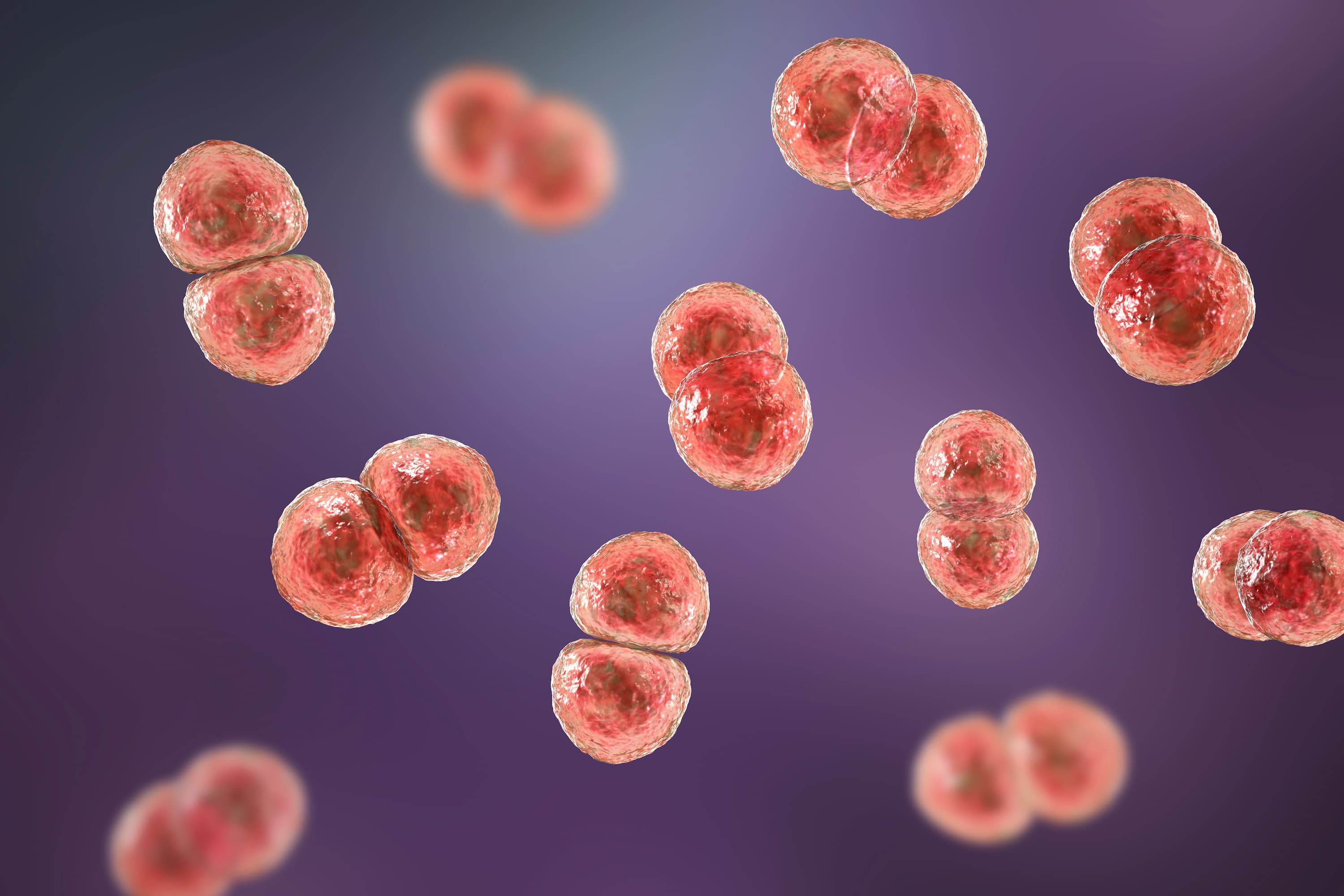
Community-acquired pneumonia (CAP) remains a meaningful health concern, and while many factors contribute to its growth, Streptococcus pneumoniae – pneumococcus – is a leading cause.However, recent research highlights a nuanced picture, demonstrating that certain pneumococcal serotypes are disproportionately linked to severe illness, even if they aren’t the most common. This article provides healthcare professionals with crucial insights into these findings and their implications for patient care and preventative strategies.
The Shifting Landscape of Pneumococcal CAP
Traditionally, understanding the specific serotype causing CAP was challenging. Frequently enough, the exact pathogen remains unidentified in many cases. But emerging data reveals that focusing on specific serotypes can help predict disease severity and tailor preventative measures.
Recent studies analyzing hospitalized CAP patients have identified key serotypes associated with more serious outcomes:
* Severe Pneumonia (PSI Score 4-5): Serotypes 1, 3, 6A/6C, and 23F were frequently linked to higher pneumonia severity index (PSI) scores.
* ICU Admission: Serotypes 9V,12F,and 23F were more likely to require intensive care.
* Mortality Risk: All serotypes except 6B, 8, and 19F showed an association with increased mortality.
These findings underscore the importance of considering serotype-specific risks, even when a definitive diagnosis isn’t immediately available.
Serotype-Specific Clinical Presentations
Beyond severity, certain serotypes exhibit distinct clinical patterns:
* Bacteremia: Infections with serotypes 6A/6C, 12F, and 15B/C were associated with a higher incidence of bloodstream infection (bacteremia).
* Prolonged Hospitalization: Patients infected with serotypes 1, 10A, and 23F tended to have longer hospital stays.
* Age-related Trends:
* Serotypes 19F and 1 were more common in adults aged 18-49.
* Serotypes 4 and 6A/6C were more prevalent in those 65 and older.
* Racial Disparities: Cases caused by serotype 15B/C were proportionally more frequent among Black patients.
Why Vaccination Remains Paramount
Given the complexities of diagnosing specific pneumococcal serotypes in CAP cases, vaccination remains the cornerstone of prevention. Encouraging vaccination, notably with pneumococcal conjugate vaccines (PCVs), is crucial for protecting vulnerable populations.
Here’s what you need to know:
* PCV13, PCV20, and the 21-valent PCV: These vaccines offer protection against a range of serotypes, including those associated with severe disease.
* Declining Pneumococcal CAP: Widespread antibiotic use and vaccine implementation have led to a decrease in the overall proportion of CAP cases caused by Streptococcus pneumoniae.
* Beyond Pneumococcus: Remember that CAP has multiple causes. A extensive diagnostic approach is essential.
Leveraging New Diagnostic Tools: SSUAD Assays
Serotype-specific urinary antigen detection (SSUAD) assays are emerging as a powerful tool for public health surveillance and potentially, clinical diagnosis.
* Increased Detection Rates: Research demonstrates SSUAD testing significantly improves the identification of pneumococcal pneumonia in hospitalized patients.
* Expanding Applications: Initially focused on the 13-valent PCV serotypes, SSUAD can be adapted for use with newer vaccines like PCV20 and the 21-valent conjugate vaccine.
* Public Health Impact: SSUAD provides valuable data for monitoring serotype distribution and vaccine effectiveness.
The Role of Pharmacists in Pneumococcal Prevention
Pharmacists are uniquely positioned to advocate for pneumococcal vaccination.
* Counseling & Education: Provide patients with clear, concise facts about the benefits of vaccination.
* Targeted Advocacy: Focus immunization efforts on older adults and individuals with underlying medical conditions, who are at highest risk of severe outcomes.
* staying Informed: Keep abreast of the latest vaccine recommendations and guidelines.
continuous Surveillance is Key
As new pneumococcal vaccines are developed, ongoing surveillance and monitoring of circulating serotypes are essential. This data will inform future vaccine strategies and ensure optimal protection against this potentially life-threatening infection





