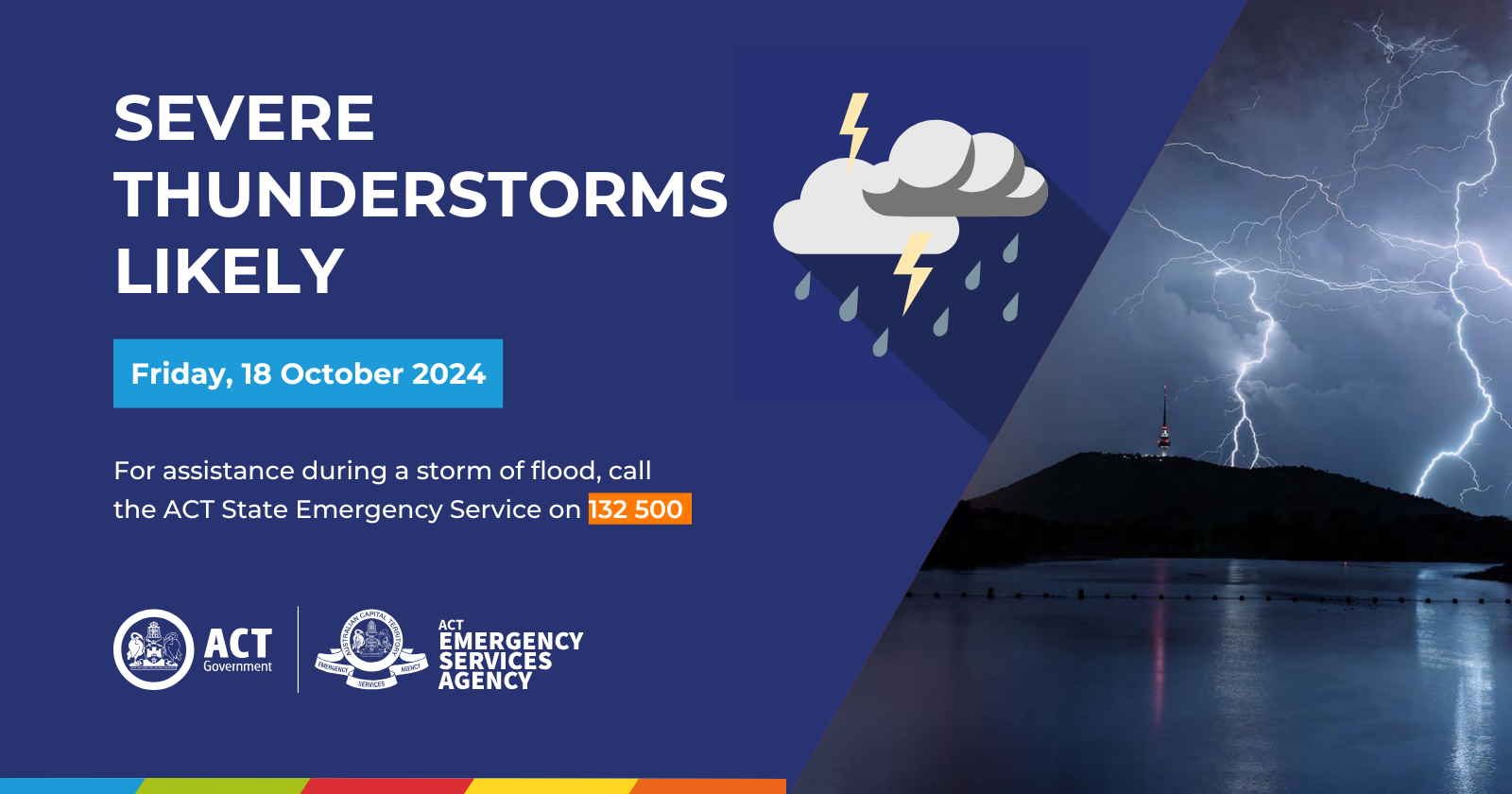
Severe thunderstorms triggered a nationwide “Code Orange” weather alert across the Netherlands this weekend, resulting in widespread disruption, property damage, and the premature cancellation of public events. A series of intense convective storms moved across the country, bringing significant lightning activity and heavy rain. Emergency services responded to numerous reports of fires caused by lightning strikes.
The severe weather necessitated the immediate evacuation of the Olympic Stadium in Amsterdam, where a concert by Lil Kleine was halted mid-performance. Event organizers took the decision to terminate the show as a precautionary measure to ensure the safety of attendees amidst the intensifying electrical storm. The sudden disruption left crowds navigating heavy rainfall in the capital.
Infrastructure Damage and Emergency Responses
Emergency responders across the country reported a surge in calls as the storm system intensified. In several provinces, lightning strikes were identified as the cause of fires. In Boskoop, a fire broke out in a warehouse, with authorities confirming that lightning was the suspected ignition source. The blaze required an extensive firefighting effort to prevent it from spreading to adjacent properties.
Further north, in Toornwerd, a fire destroyed a barn, resulting in the loss of calves. These incidents underscore the broader impact of the severe weather, which moved across diverse regions, affecting both urban centers and rural agricultural infrastructure.
Contextualizing the Extreme Weather Pattern
The “Code Orange” warning in the Netherlands coincides with a broader period of extreme temperatures across Northern and Central Europe. Meteorological data indicates that Denmark and the Czech Republic have recorded their highest temperatures ever measured, complicating the atmospheric conditions that led to the weekend’s volatile storm activity. The sudden shift from extreme heat to heavy thunderstorms is a characteristic of the current weather pattern.
For residents, the weekend served as a reminder of the importance of monitoring official channels. Citizens are encouraged to check these updates regularly during periods of unstable weather to receive actionable safety information.
Safety Guidelines During Severe Storms
The national safety authority has reiterated standard protocols for “Code Orange” situations. Key recommendations for the public include:
- Securing loose objects on balconies and in gardens to prevent them from becoming projectiles in high winds.
- Avoiding open water and elevated areas during lightning activity.
- Monitoring local municipal traffic alerts, as heavy rainfall can lead to sudden standing water on major roadways.
- Ensuring that mobile devices are charged and that residents have access to emergency broadcast information.
The situation remains fluid as weather patterns continue to shift across the region. Authorities have not yet declared a total end to the volatile period, and residents are advised to remain vigilant regarding localized warnings. We invite readers to share their experiences in the comments section below or join the conversation regarding regional preparedness for extreme weather events.
- Elizabeth Warren Demands Answers From RFK Jr. Over “Calamitous” Cyclosporiasis Outbreak Response
- Swimming Banned in 4 Provinces Due to Bad Weather and High Waves: Red Flags Raised
- Cork Food Safety Alert: Two Firms Hit with Prohibition Orders (archyworldys.com)
- Indonesia Earthquake: 7.7 Magnitude Quake Kills 20 and Triggers Tsunami Alert (time.news)