Why Did Shackleton’s Endurance Really Sink? A New Analysis Reveals Structural weaknesses
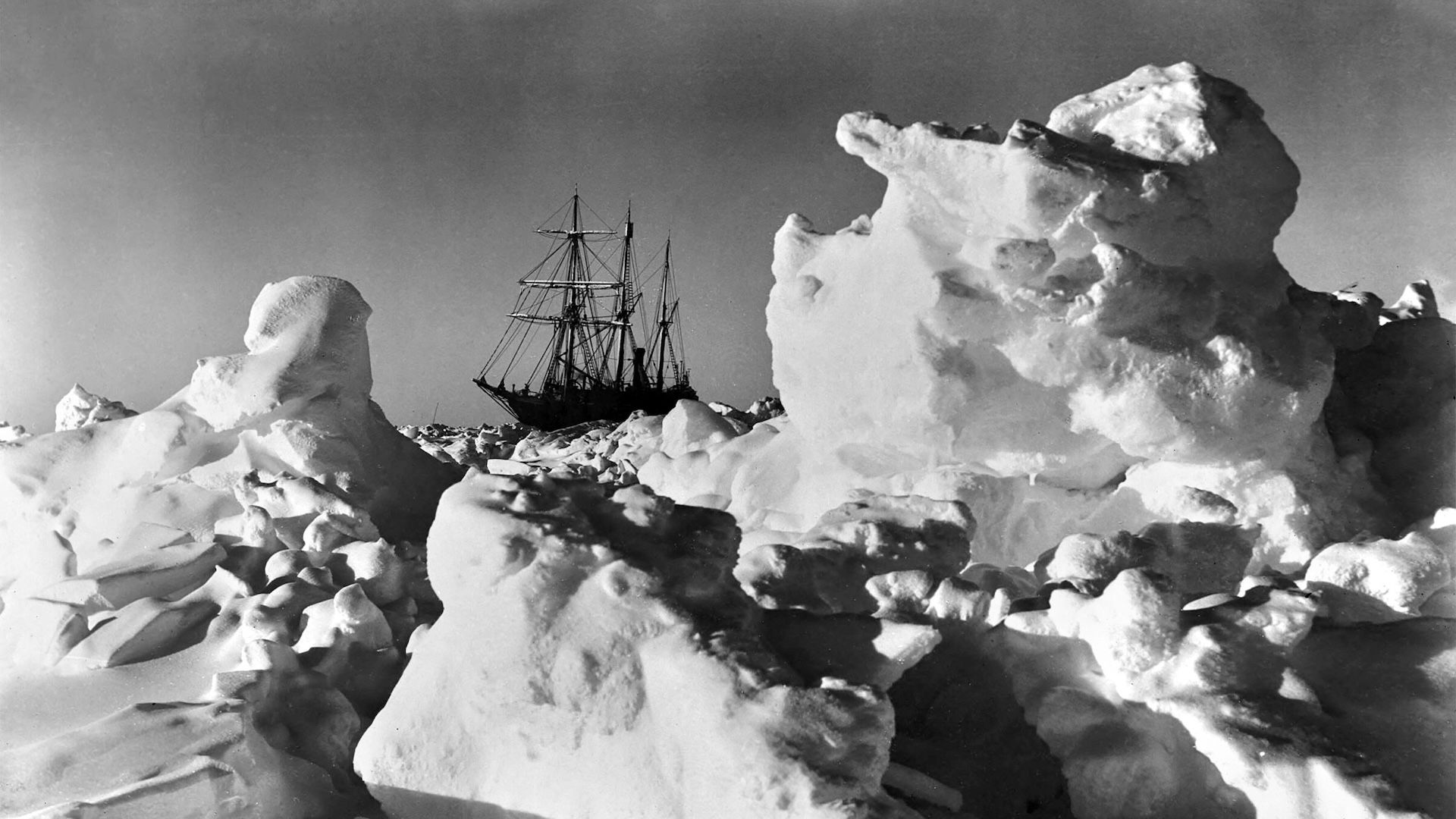
For decades, the story of Ernest Shackleton’s ill-fated Endurance expedition has captivated the world. The ship’s crushing demise in the Antarctic ice pack is legendary, a testament to both the brutal power of nature and the incredible resilience of the crew. But why exactly did the Endurance sink? A new study, building on the recent revelation of the wreck itself, sheds light on the structural factors that likely sealed the ship’s fate.
Uncovering the Truth Behind a Polar Icon
In March 2022, a team located the remarkably preserved wreck of the Endurance, a pivotal moment in maritime history. Dr. John Tuhkuri, a structural engineer involved in the expedition, didn’t just observe the ship’s condition. He meticulously analyzed its design and how it would have responded to the immense pressures of the surrounding ice. He also delved into historical records – crew journals and personal letters from Shackleton himself – to piece together a more complete picture.
Now, published in the journal Polar Record, Tuhkuri’s research points to critical design flaws that compromised the Endurance’s ability to withstand the Antarctic surroundings. This isn’t about blaming Shackleton, but understanding the complex factors at play.
Key Structural Weaknesses of the Endurance
The analysis reveals several key vulnerabilities:
* A Large, Weak Engine room: The Endurance featured a relatively spacious engine room. Unfortunately, this area proved challenging to reinforce, creating a significant weak point in the hull.
* Lack of Diagonal Bracing: Unlike many other polar vessels of the era, the Endurance lacked diagonal beams. These crucial supports strengthen the hull against twisting and compressive forces. Their absence dramatically reduced the ship’s structural integrity.
* Compromised Sternpost,Keel,and Deck Beams: The crew’s journals detail extensive damage to these critical components while trapped in the ice,indicating a cascading failure of the ship’s structural framework.
Essentially, the endurance wasn’t built to withstand the immense compressive forces exerted by the pack ice. Even a basic structural analysis confirms this. As Tuhkuri explains, “The danger of moving ice and compressive loads…was well understood before the ship sailed south.”
Shackleton Knew the Risks – So Why?
This raises a crucial question: if the dangers were known, why did Shackleton choose a vessel seemingly ill-equipped for the task? The study suggests Shackleton was acutely aware of the Endurance’s limitations.
consider these points:
* Shackleton’s Concerns: A 1914 letter to his wife reveals Shackleton’s own reservations about the Endurance’s strength compared to ships used on previous expeditions.
* Prior Recommendations: In 1911, Shackleton recommended adding diagonal supports to the polar ship Deutschland. That ship afterward survived the same icy conditions that crippled the Endurance.
* A Lingering Mystery: Why weren’t those same supports implemented on the Endurance?
The answer remains elusive. While speculation about financial constraints or time pressures exists,Tuhkuri acknowledges we may never know the full story.
what This Means for Understanding Shackleton’s Legacy
This new research doesn’t diminish Shackleton’s remarkable leadership or the crew’s incredible survival story. Instead, it adds a crucial layer of understanding. It moves beyond the romanticized narrative of heroic endurance to examine the technical realities of polar exploration.
You can now appreciate the challenges Shackleton faced with a deeper understanding of the ship itself. The findings provide concrete details to enrich the historical account.
Ultimately, the story of the Endurance serves as a powerful reminder of the importance of sound engineering, meticulous readiness, and the unforgiving nature of the Antarctic environment.
Further Reading:
* Livescience: Shackleton’s Lost Endurance Ship Discovered in Antarctic
* [polar Record: Why did Endurance sink?](https://www.cambridge.org/core/journals/polar-record/article/why-did-endurance-sink/6CC2C2D56087035A