
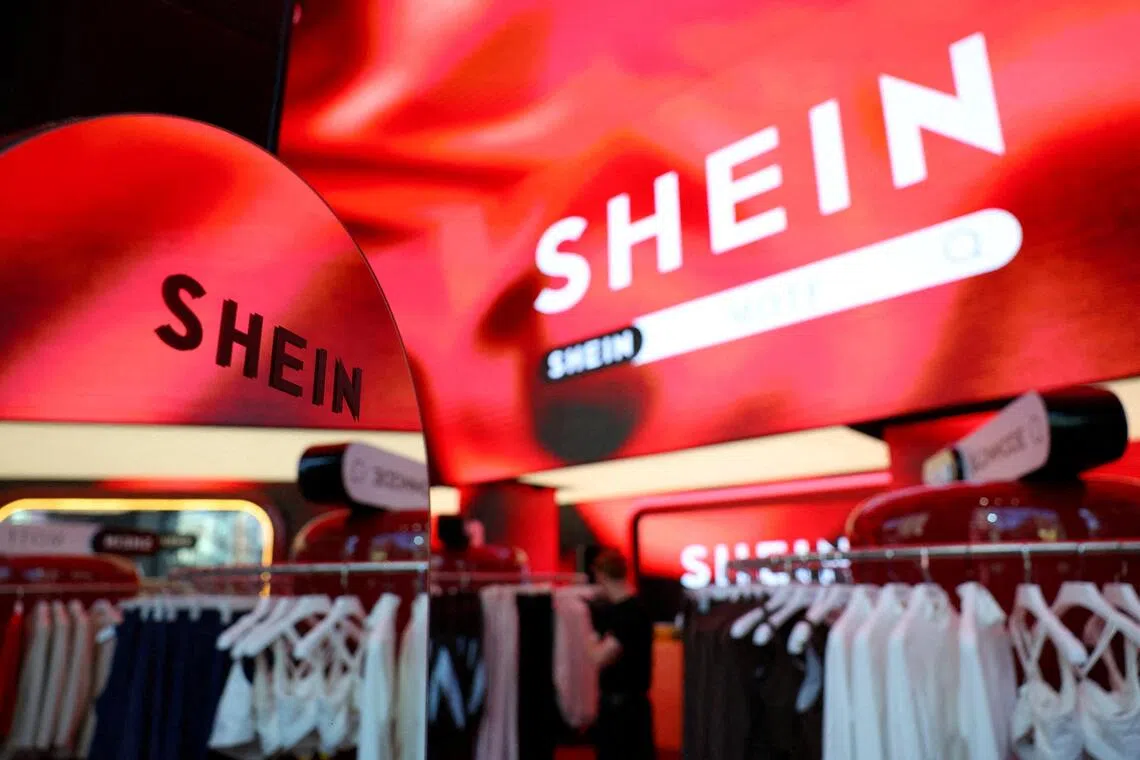
Shein Under Fire: Child-like Dolls and Growing scrutiny of Fast Fashion
The world of fast fashion is no stranger to controversy, but recent allegations against Shein, the global e-commerce giant, have escalated concerns to a disturbing new level. France’s anti-fraud unit, the DGCCRF, has reported shein for allegedly selling “sex dolls with a childlike appearance.” This isn’t simply a matter of questionable taste; it raises serious legal and ethical questions about the platform’s content moderation and responsibility.
The DGCCRF stated the product descriptions and categorization on Shein’s website strongly suggested the items constituted child pornography. This accusation is particularly damaging as Shein prepares to launch its first physical store in paris,a move already met with important backlash. But what does this incident reveal about the broader issues within shein’s business model and the fast fashion industry as a whole?
The Allegations: what Exactly happened?
The core of the issue lies in the sale of dolls that authorities deemed disturbingly reminiscent of children.The DGCCRF’s statement highlighted that the presentation of these items left little doubt about their problematic nature. Shein swiftly responded by removing the dolls from its platform and initiating an internal investigation.
Did You Know? According to a recent report by the Environmental Audit Committee in the UK (February 2024), fast fashion brands are facing increasing pressure to demonstrate openness in their supply chains and address ethical concerns related to labor practices and product safety.
This incident isn’t isolated. Concerns about Shein’s product offerings have surfaced before, including accusations of copyright infringement and questionable material quality. Though, the gravity of these latest allegations - perhaps involving illegal content - marks a significant turning point.
Shein’s Paris Debut and the Backlash
Just weeks before the DGCCRF’s announcement, Shein announced plans to open its first brick-and-mortar store in the prestigious BHV Marais department store in Paris on November 5th. This move was intended to signal Shein’s ambition to move beyond its online-only presence and establish itself as a legitimate player in the fashion world.
However, the announcement sparked immediate outrage. Several high-end brands reportedly pulled their products from BHV Marais in protest, citing concerns about Shein’s business practices and its impact on the environment and ethical fashion standards. This demonstrates a growing resistance to the ultra-fast fashion model.
Pro Tip: When evaluating a fashion brand, look beyond the price tag. Research their sustainability practices, labor standards, and commitment to ethical sourcing. Resources like Good On You (https://goodonyou.eco/) provide brand ratings based on these criteria.
The controversy surrounding the paris store highlights the tension between Shein’s desire for mainstream acceptance and the growing consumer awareness of the negative consequences of cheap clothing.
the Broader Implications for Fast Fashion
This situation with Shein isn’t just about one company; it’s a symptom of a larger problem within the fast fashion industry. The relentless pursuit of low prices frequently enough comes at the expense of worker rights, environmental sustainability, and, as this case suggests, ethical boundaries.
Enduring fashion is gaining momentum, with consumers increasingly demanding transparency and accountability from brands. The rise of resale platforms and clothing rental services further indicates a shift away from the disposable nature of fast fashion. Are we witnessing the beginning of the end for the ultra-fast fashion model?
Did You Know? A 2023 study by McKinsey & Company found that 63% of consumers consider sustainability when making purchasing decisions, up from 52% in 2021.
The Shein case also raises questions about the responsibility of online marketplaces. With millions of products listed daily, how can platforms effectively





