The Shibutani Siblings’ Return: Analyzing the Impact of a Historic Comeback in Figure Skating
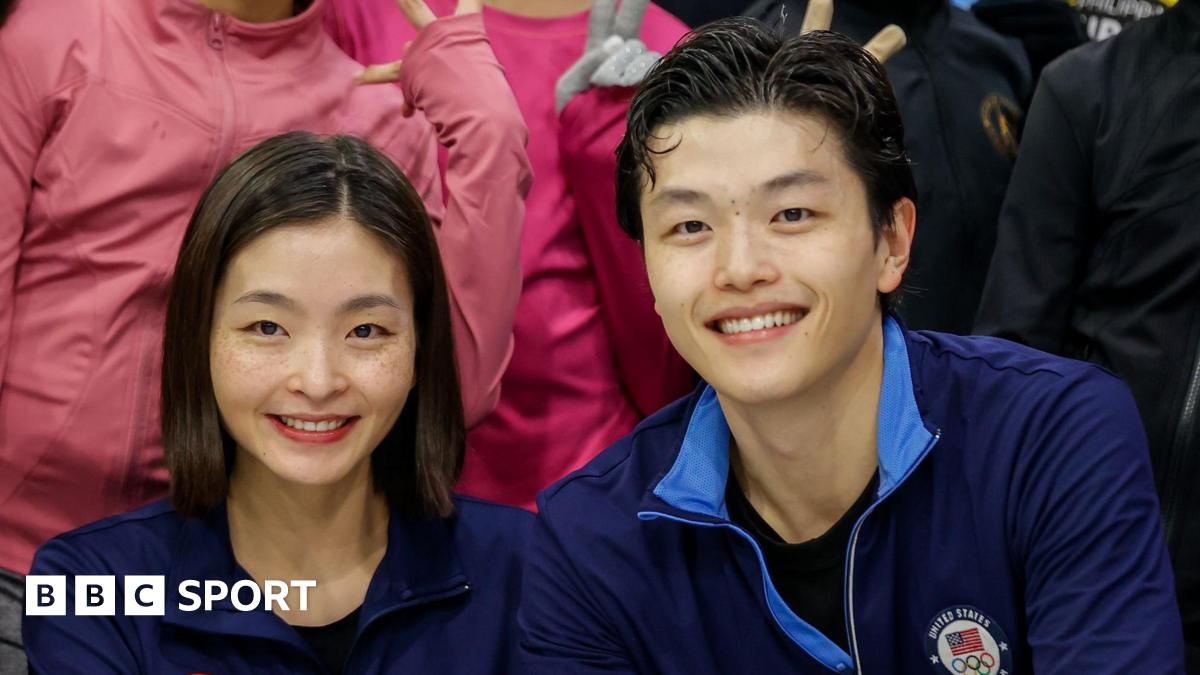
The world of competitive figure skating is buzzing with the anticipated return of Maia and Alex Shibutani, the celebrated ice dance duo. Their decision to lace up their skates onc more, after a period of stepping away from the competitive circuit, has ignited excitement among fans and sparked debate within the sport. This article delves into the meaning of their comeback, examining the factors influencing their decision, the potential impact on Team USA, and the broader implications for diversity and representation in figure skating. We’ll explore the challenges and opportunities that lie ahead for these Olympic medalists, considering the evolving landscape of the sport and the rising talent pool.
A Legacy of Achievement: Recapping the Shibutani’s Success
Did You Know? The Shibutani siblings are the first athletes of Asian descent – their parents are Japanese – and the only non-white team to earn an Olympic ice dance medal.
Maia and Alex Shibutani’s journey in figure skating is marked by consistent excellence. Beginning with a bronze medal at the 2011 World Championships – a remarkable feat for athletes aged just 20 and 16 - they quickly established themselves as forces to be reckoned with. Their accolades include two US national championships, a silver medal at the 2016 World Championships, and a bronze medal at the 2017 World Championships.
However, their most defining moment came at the 2018 Pyeongchang Winter Olympics. There, they secured bronze medals in both the ice dance and the team event, etching their names into history.This achievement wasn’t just about the medals; it was a watershed moment for representation in a sport historically dominated by European and North American athletes.
The Decision to Return: Motivations and considerations
After their Olympic success, the Shibutanis took a hiatus from competitive skating.They pursued other ventures, including professional performances and advocacy work. But what prompted their return? Alex Shibutani cited “new skills” and “different perspectives” gained during their time away as key factors.
Pro Tip: Athletes frequently enough return to competition with a renewed sense of purpose and a more refined approach, leveraging experiences gained outside the sport.
This suggests a purposeful and thoughtful decision, not simply a nostalgic yearning for the ice. The current state of US figure skating, with its growing depth of talent, likely played a role as well. The siblings clearly believe they can contribute to Team USA’s continued success.
Impact on Team USA: strengthening a Rising Powerhouse
the United States has experienced a surge in figure skating prowess in recent years. Recent results at the 2023 World Championships, were Team USA secured multiple medals, demonstrate this upward trajectory. https://www.usfigureskating.org/ Justin Dillon, US Figure Skating’s senior director of athlete high performance, expressed “amazing excitement” about the Shibutanis’ return, emphasizing their role as “strong ambassadors for the sport.”
But how will their presence affect the existing competitive landscape? The ice dance field in the US is already highly competitive.The Shibutanis will undoubtedly face challenges from established teams like Madison Chock and Evan Bates, the reigning US champions. Their return will raise the overall level of competition, pushing all skaters to elevate their performance.
Here’s a swift comparison of key US Ice Dance teams:
| Team | Key Achievements | Current Ranking (approx. as of late 2023) |
|---|---|---|
| Maia & Alex Shibutani | 2018 Olympic Bronze, 2x US Champions | Re-entering competition – ranking TBD |
| Madison Chock & Evan Bates | 2023 World Champions, 2x US Champions | Top 5 World Ranking |
| Katarina Wolf & Jeffrey Wolinski | US National Medalists | Top 20 World Ranking |
![Powerful Features Revealed: [Product Name] Leak Details Everything You Need to Know](https://i0.wp.com/www.androidheadlines.com/wp-content/uploads/2025/07/google-pixel-watch-4-pixel-10-moonstone.jpg?resize=150%2C150&ssl=1 "Powerful Features Revealed: [Product Name] Leak Details Everything You Need to Know")