
Sholay at 50: A Cinematic Legacy Endures – Insights from Ramesh Sippy
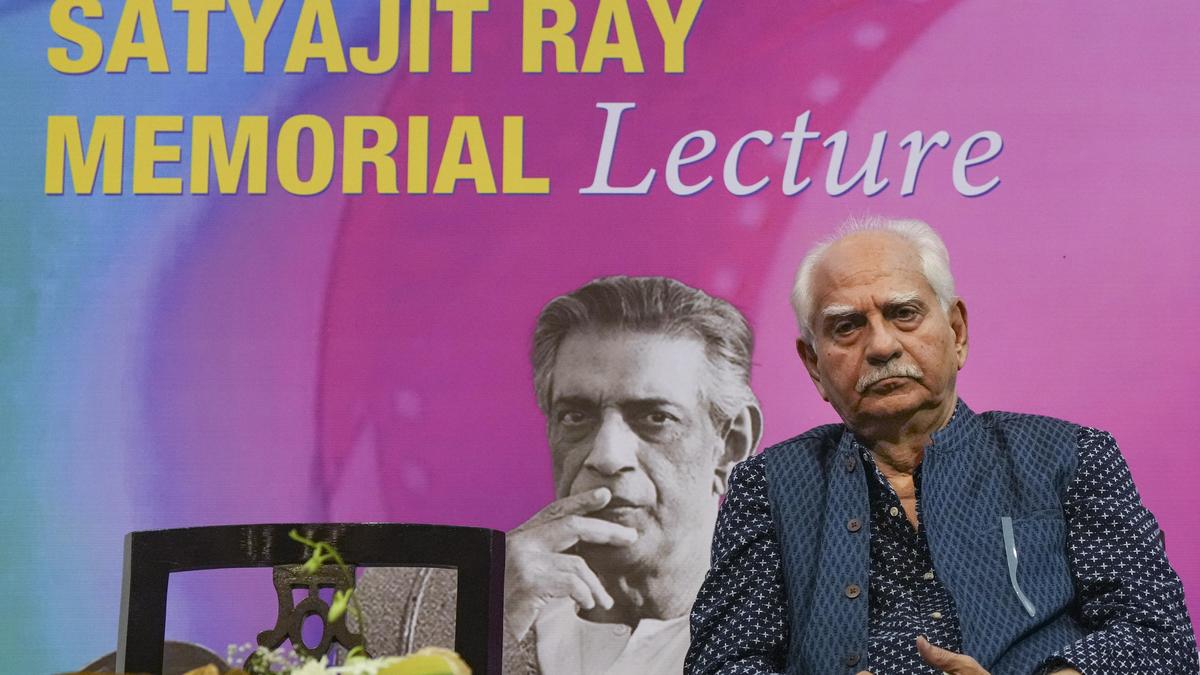
Fifty years after its groundbreaking release on August 15, 1975, Sholay remains an indelible mark on Indian cinema. The action-adventure epic, a collaborative masterpiece from director Ramesh Sippy, writers Salim Khan and Javed Akhtar, and music composer R.D. Burman, continues to captivate audiences. Recently, Sippy shared interesting anecdotes and reflections on the film’s creation and enduring appeal at the Kolkata International Film festival (KIFF).
this article delves into those insights, exploring the making of Sholay and its lasting impact, offering a unique perspective for film enthusiasts and aspiring filmmakers alike.
The Birth of a Legend: From Initial Concepts to Final Casting
The story of Sholay wasn’t always as you know it. Sippy revealed the initial concept revolved around “mischievous boys and an army gentleman who remembered them.” However, practical concerns led to a pivotal shift.
He explained the decision to center the narrative around a former police officer stemmed from apprehension about navigating the complexities of filming with the Indian Army and securing necessary permissions. this demonstrates a pragmatic approach to filmmaking, balancing creative vision with logistical realities.
The casting process itself was filled with unexpected turns. Dharmendra, iconic as Veeru, initially expressed interest in playing Thakur baldev Singh (eventually portrayed by Sanjeev Kumar) and even Gabbar Singh (famously embodied by Amjad Khan).
Interestingly, Dharmendra ultimately chose the role of Veeru after learning Hema Malini would play Basanti, Veeru’s love interest.Sippy fondly recalled the actors’ genuine connection to their roles, emphasizing the strength of the writing and character advancement.
The Magic of Pancham: R.D. Burman’s Musical Genius
No discussion of Sholay is complete without acknowledging the brilliance of R.D. Burman, affectionately known as ‘Pancham.’ Sippy highlighted Burman’s West Bengal roots and his extraordinary talent.
he vividly described a scene between Amitabh Bachchan and Jaya Bhaduri, set in near silence, punctuated only by a lamp and Burman’s evocative music. Specifically, Sippy lauded the iconic mouth organ piece as a “masterpiece,” showcasing Burman’s ability to elevate a scene through sound.
inspiration and Influence: Echoes of Cinematic History
Sholay didn’t emerge in a vacuum. Sippy openly acknowledged the films that inspired him during its creation.
He cited Butch Cassidy and the Sundance Kid (1969) and The Magnificent Seven (1960) as key influences.The Magnificent Seven, in turn, drew inspiration from Akira Kurosawa’s Seven Samurai. Sippy noted he discovered Kurosawa’s work after watching The Magnificent Seven,illustrating how cinematic influences can be layered and indirect.
The Unreplicable Legacy: Why a Sequel Isn’t Possible
Despite persistent calls for a Sholay sequel, Sippy firmly believes it’s best left untouched. He explained that the original film’s enduring popularity makes replicating its success impractical.
During a recent visit to the Toronto Film Festival,he observed the audience’s reaction mirrored the enthusiasm from 50 years prior in Bombay. “How do you beat that?” he asked, concluding that attempting a sequel would be futile. He understands the power of leaving a classic untouched.
Sippy acknowledged the high expectations surrounding any potential continuation, stating that “people’s expectations are such” that a second Sholay simply couldn’t live up to the original.
A Message to Future filmmakers: the enduring Power of Cinema
Sippy concluded his address with encouraging words for aspiring filmmakers. He urged them to persevere, dismissing the notion that “the time for cinema is over.”
He emphasized that cinema is “very much alive” and will continue to find its audience. Acknowledging the subjectivity of taste, he advised filmmakers to focus on creating “good film[s]” and trust that audiences will respond. He believes a strong film will always find its audience,even when it seems unexpected.
Sholay‘s 50th anniversary serves as a powerful reminder of the film’s enduring legacy and the artistry that went into its creation.


