The Escalating crisis of Online Scams in Southeast Asia: Protecting Yourself in 2024 & Beyond
Are you aware of the rapidly increasing threat of online scams targeting individuals across Southeast Asia? A staggering 63% of adults in the region have fallen victim to scams in the last year, resulting in an estimated $23.6 billion in losses. This isn’t just a consumer inconvenience; it’s a notable threat to digital trust and economic stability. This comprehensive guide will delve into the current landscape of Southeast Asia scams, explore the most prevalent types, provide actionable steps to protect yourself, and outline the latest initiatives aimed at combating this growing problem. We’ll cover everything from investment fraud to phishing attacks, and offer insights into scam prevention strategies tailored to the region.
The Alarming Rise in Scam Activity: Recent Statistics
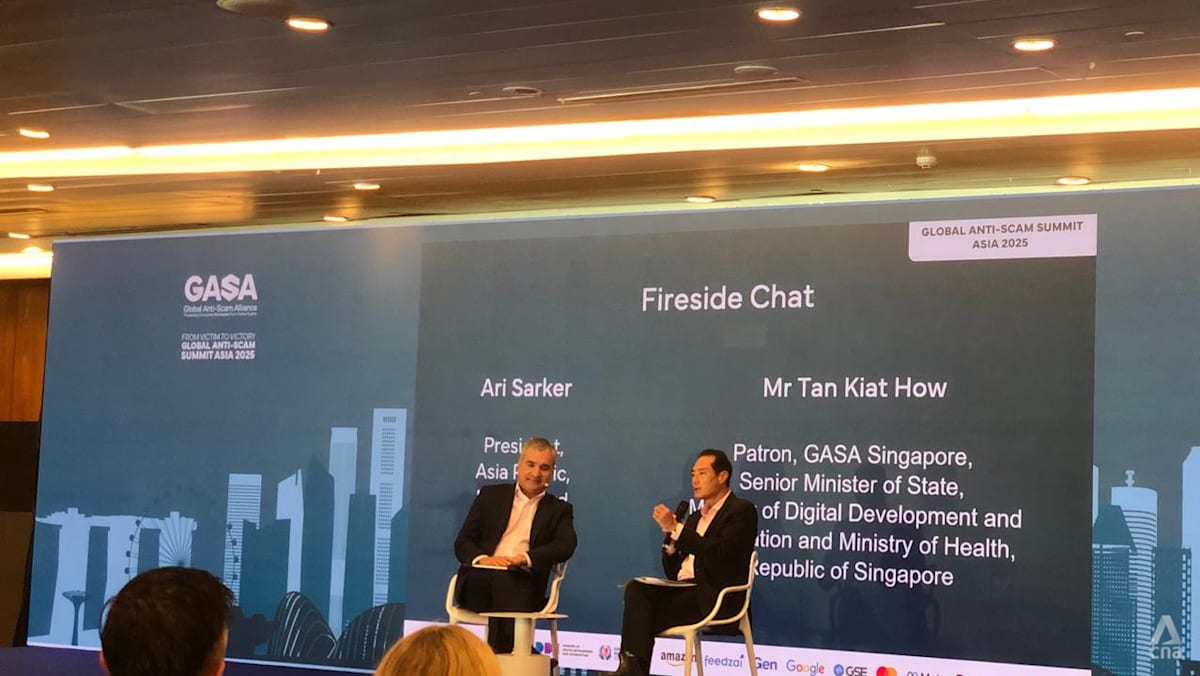
Recent data paints a concerning picture. A comprehensive report by the Global Anti-Scam Alliance (GASA) reveals a dramatic surge in scam experiences across key Southeast Asian nations. Specifically,Singapore saw a 66% increase,Malaysia a 73% increase,and Vietnam an even more alarming 77% increase in reported scams over the past 12 months (September 2023 – September 2024).This exponential growth underscores the sophistication and relentless nature of these criminal operations.
The financial impact is substantial. Victims in Singapore, on average, lost over $2,000 per person - the highest amount among the surveyed countries (Singapore, malaysia, Indonesia, Thailand, Vietnam, and the Philippines). While Singapore demonstrates higher rates of scam reporting and financial recovery compared to its neighbors, the sheer volume of losses is deeply troubling. these figures highlight the urgent need for increased awareness and robust preventative measures.
Common Types of Scams Targeting Southeast Asia
Understanding the tactics employed by scammers is the first line of defense. here’s a breakdown of the most common types of scams currently circulating in Southeast Asia:
Investment Scams: These remain the most prevalent, often promising high returns with minimal risk. Scammers frequently utilize fake investment platforms,cryptocurrency schemes,and Ponzi schemes to lure unsuspecting victims. Look out for unsolicited investment offers, especially those guaranteeing unrealistic profits.
Unexpected Money Scams: This involves victims being asked to pay upfront fees to receive a larger sum of money or a promised prize. these frequently enough masquerade as legitimate opportunities but are designed to extract funds.
Impersonation Scams: Scammers pose as trusted entities – goverment officials, bank representatives, or even family members – to trick victims into divulging personal information or transferring funds. Be extremely cautious of requests for sensitive information over the phone or online.
Romance Scams: Exploiting emotional vulnerabilities, scammers build relationships with victims online before requesting financial assistance.
Online Purchase Scams: Frequently occurring on platforms like Facebook Marketplace,these involve fraudulent sellers taking payment without delivering the promised goods. (See more on platform-specific risks below).
Job scams: Offering lucrative but ultimately non-existent job opportunities, these scams frequently enough require victims to pay for training or equipment.
Where are scams Happening? Platform Breakdown
The GASA report identifies Facebook (53%) and whatsapp (51%) as the most frequent channels for scam encounters in Southeast Asia. This highlights the need for increased vigilance when interacting on these platforms. Other platforms seeing increased scam activity include:
Facebook Marketplace: A hotspot for online purchase scams and fraudulent listings. Recent updates to Facebook’s anti-scam rating system for marketplace are attempting to address this, but vigilance remains crucial. https://www.channelnewsasia.com/singapore/facebook-marketplace-anti-scam-rating-system-lowest-e-commerce-imcs-tsr-5321786
Instagram: Increasingly used for romance scams and investment fraud.
Telegram: A breeding ground for cryptocurrency scams and phishing attacks. SMS/Text Messaging: Used for phishing attempts and impersonation scams.
Protecting Yourself: A Step-by-Step Guide to Scam Prevention
Here’s a practical,actionable plan to safeguard yourself against online scams in Southeast Asia:
- Be Skeptical: Question unsolicited offers,especially those promising high returns or requiring immediate action.
- **Verify