
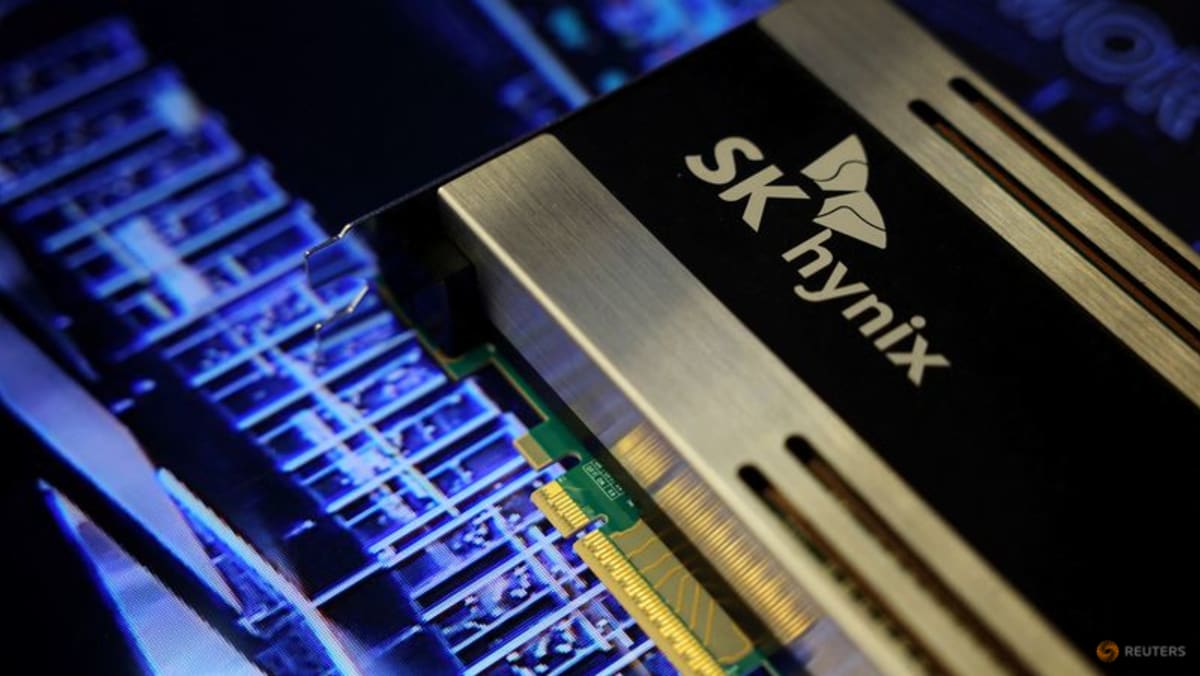
The AI Memory Boom: SK Hynix Predicts Explosive Growth for High-Bandwidth Memory (HBM) Despite Tariff Concerns
Seoul & San Francisco – The artificial intelligence revolution is fueling unprecedented demand for specialized memory chips, and SK Hynix, a leading global memory manufacturer, is forecasting a dramatic surge in the market for High-Bandwidth Memory (HBM) – a critical component powering the next generation of AI applications. In an exclusive interview with Reuters, SK Hynix’s Head of HBM business Planning, Choi Joon-yong, predicted a robust 30% annual growth rate for the HBM market through 2030, defying concerns about potential price pressures and solidifying HBM’s position as a key enabler of the AI era.
This optimistic outlook signals a significant shift in the semiconductor landscape. for decades, memory chips have largely been treated as commodities, akin to raw materials like oil or coal. However, the unique demands of AI are driving a move towards specialized, high-performance memory solutions, and HBM is at the forefront of this conversion.
Why HBM is Crucial for AI – and Why Demand is So Strong
The explosion in AI progress, driven by massive investments from cloud computing giants like Amazon, microsoft, and Google, is directly correlated with the need for advanced memory. HBM isn’t your typical DRAM. Introduced in 2013,it utilizes a revolutionary 3D stacking architecture,vertically layering chips to dramatically increase bandwidth,reduce power consumption,and minimize physical space requirements. This is essential for handling the immense data volumes generated by complex AI workloads – from large language models to image recognition and beyond.
“AI demand from the end user is pretty much, very firm and strong,” Choi emphasized. He further suggested that the current capital expenditure projections from these tech titans are likely underestimates, hinting at even greater future demand for HBM. SK Hynix’s projections, while bullish, are deliberately conservative, factoring in real-world constraints like energy availability.
Beyond Commodity: The Rise of Customization and the End of “One-size-Fits-All”
The HBM market is undergoing a fundamental strategic change. The introduction of ”base dies” – customer-specific logic components – in next-generation HBM4 chips (being developed by SK Hynix, Micron Technology, and Samsung Electronics) is a game-changer. This customization means that swapping between different manufacturers’ HBM products is no longer a simple process.
This shift towards bespoke solutions is a key driver of SK Hynix’s optimism. Currently, leading AI accelerator manufacturer Nvidia receives highly customized HBM from SK Hynix, while smaller clients typically receive a standardized product. However, Choi anticipates a growing demand for tailored solutions across the board.
“Each customer has different taste,” he explained, noting that specific performance and power characteristics are increasingly important. This move away from a commodity market towards a customized solution model allows manufacturers like SK Hynix to build stronger, more strategic relationships with their clients and command premium pricing. SK Hynix currently holds the dominant position as Nvidia’s primary HBM supplier, though Samsung and Micron also contribute smaller volumes.Navigating Potential Headwinds: Samsung’s Caution and Trump’s Tariffs
Despite the overwhelmingly positive outlook, challenges remain. Samsung recently cautioned that supply of the current generation HBM3E might temporarily outpace demand, potentially impacting prices in the short term. However, SK Hynix remains confident in its ability to deliver competitive products.
A more significant potential disruption comes from the United States. Former President Donald Trump recently announced plans to impose a 100% tariff on semiconductor chips imported from countries without domestic manufacturing or committed plans for it. While the declaration lacked specifics, the implications for South Korean chipmakers like SK Hynix and Samsung are substantial.
Though, South korea’s top trade envoy, Yeo Han-koo, has indicated that both Samsung and SK Hynix are likely to be exempt from these tariffs due to their significant investments in US-based manufacturing facilities. samsung operates chip fabrication plants in Texas, and SK Hynix is building an advanced packaging plant and AI R&D center in Indiana.
The Broader Impact: Supply Chains and Export Dynamics
South Korea’s chip exports to the United States totaled $10.7 billion in 2023,representing 7.5% of its total chip exports.Interestingly, a growing portion of HBM chips are being exported to Taiwan for packaging - a 127% increase year-over-year, accounting for 18% of South Korea’s chip exports in 202





