
The intersection of high-end display technology and consumer expectation often creates a gap filled by rumors, leaks, and intense anticipation. For Sony, 2026 has already begun as a year of strategic pivots. While the enthusiast community has been buzzing with reports of a next-generation flagship, the company’s actual market moves have focused on democratizing premium features for a broader audience.
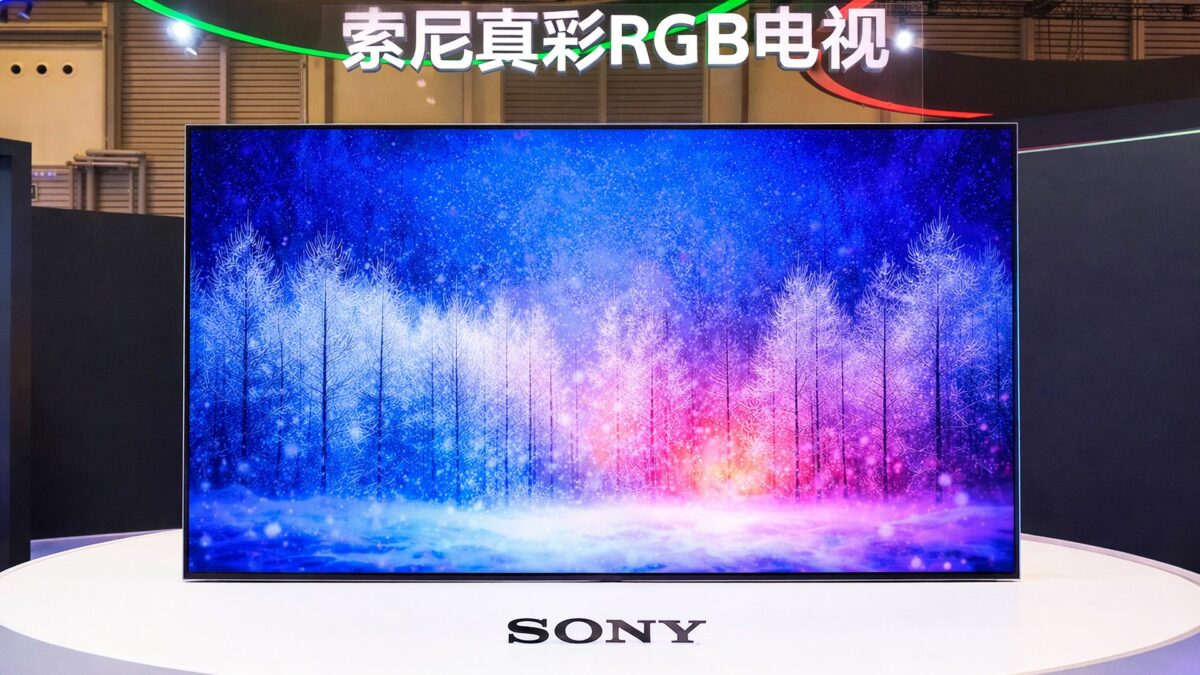
Current industry chatter has centered heavily on the Sony Bravia 9 II, with unconfirmed reports suggesting the device will feature “True RGB” Mini LED technology and a world-leading anti-reflective filter designed for high-ambient-light environments. However, there is a notable disconnect between these enthusiast expectations and Sony’s official product rollout this spring.
As a journalist with a background in computer science, I have watched Sony’s processor evolution closely. The company typically balances its “prestige” models with “volume” models. In the first quarter of 2026, Sony has prioritized the latter, updating its entry-level offerings with hardware that was previously reserved for its top-tier displays. This move suggests a strategy of capturing the mid-market before potentially unveiling a new flagship later in the cycle.
The Arrival of the Bravia 3 II: Premium Tech for the Budget Tier
While the search for a Bravia 9 II continues, Sony has officially expanded its lineup with the introduction of the Bravia 3 II. This model is not a flagship, but it represents a significant shift in how Sony equips its budget-oriented televisions. The most impactful upgrade is the inclusion of four HDMI 2.1 sockets paired with a 120Hz panel, enabling full 4K/120Hz gaming support—including Variable Refresh Rate (VRR) and Auto Low Latency Mode (ALLM)—across all inputs according to reports from What Hi-Fi?.
Beyond connectivity, the Bravia 3 II now incorporates the XR Processor, a piece of silicon that was previously exclusive to the Bravia 5 and higher models. From a technical standpoint, the XR Processor is the brain of the operation, handling AI-powered upscaling and color accuracy. This brings two key technologies to the budget tier:
- XR Triluminos Pro: This expands the color gamut, allowing the TV to reproduce a wider array of colors more accurately, bridging the gap between entry-level and mid-range visual fidelity.
- XR Clear Image: An AI-driven upscaling feature that reduces noise and enhances detail in lower-resolution content, making it more viable for viewers who rely on standard-definition broadcasts or older streaming sources.
Decoding the Bravia 9 II Rumors: ‘True RGB’ and Anti-Reflection
Despite the launch of the budget-friendly Bravia 3 II, the enthusiast community remains focused on the rumored successor to the Bravia 9. Unverified reports have circulated claiming that a “Bravia 9 II” will utilize a “True RGB” Mini LED configuration. In the context of Mini LED technology, “True RGB” typically refers to a setup where red, green, and blue sub-pixels are driven with higher precision to improve color purity and peak brightness.
Another recurring claim in these leaks is the implementation of a revolutionary anti-reflective filter. For users with “particularly bright rooms,” as discussed in community forums like Reddit, such a feature would be a critical selling point. High-end anti-reflective coatings perform by using microscopic structures to scatter incoming light rather than reflecting it directly back at the viewer, which prevents the “mirror effect” common in glossy panels.
However, these details remain speculative. As of late March 2026, Sony’s official unveiling focused on budget models, and What Hi-Fi? noted that those expecting a successor to the Bravia 9 might be disappointed by the current release schedule. While a YouTube leak from early March suggested a “brightest TV ever” was in the works, Sony has yet to formally announce a Bravia 9 II with “True RGB” specifications.
Why This Matters: The Battle for the Bright Room
The obsession with a potential Bravia 9 II highlights a larger trend in consumer electronics: the battle for the “bright room.” For years, OLED was the gold standard for contrast, but it struggled with peak brightness and reflections. Mini LED emerged as the solution, offering the brightness needed to combat sunlight while maintaining better local dimming than traditional LED-LCDs.
If Sony does eventually release a flagship with the rumored “True RGB” and advanced anti-reflective properties, it would address the primary pain point for a large segment of global consumers. The goal is to achieve “perfect blacks” without sacrificing the ability to spot the screen clearly during a sunny afternoon. By integrating a superior filter, Sony would be targeting a specific niche: the luxury home theater that doubles as a bright living space.
Comparison: Current Verified vs. Rumored Tech
| Feature | Bravia 3 II (Verified) | Bravia 9 II (Rumored/Unconfirmed) |
|---|---|---|
| Market Position | Budget-Oriented | Flagship |
| Processor | XR Processor | Next-Gen XR (Speculated) |
| Panel Tech | 120Hz LED | True RGB Mini LED |
| HDMI Ports | 4x HDMI 2.1 | TBD |
| Specialty | Gaming Accessibility | Anti-Reflective Filter |
What Happens Next for Sony’s Display Lineup?
The current state of Sony’s 2026 rollout suggests a phased approach. By releasing the Bravia 3 II first, Sony secures its foothold in the budget and gaming markets, ensuring that the XR Processor and 4K/120Hz capabilities are available to a wider audience. This clears the runway for a potential high-end announcement later in the year.
For consumers, the decision comes down to immediate utility versus potential future gains. Those needing a reliable, gaming-ready TV today will find the Bravia 3 II a compelling option due to its updated port selection and processing power. However, those seeking the “brightest TV ever” may choose to wait for official confirmation regarding the Bravia 9 II.
We are currently awaiting further official statements from Sony regarding their flagship roadmap for the remainder of 2026. Until then, claims regarding “True RGB” and world-leading anti-reflective filters should be treated as industry rumors rather than confirmed product specifications.
Do you prioritize anti-reflective technology for your home setup, or is gaming performance your primary driver? Share your thoughts in the comments below.