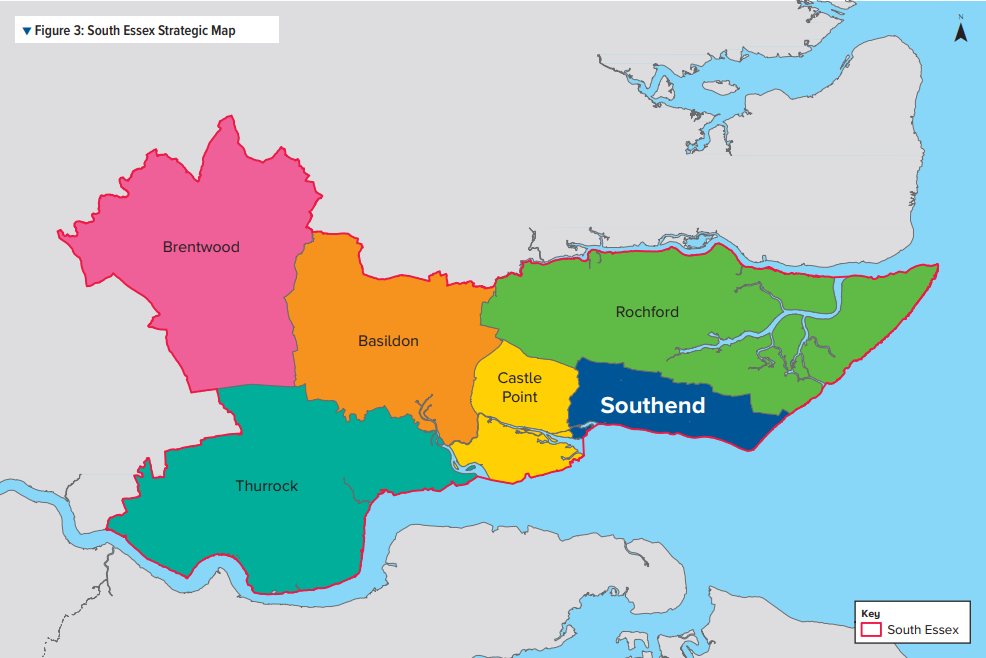
South Essex councils have successfully deployed a shared regional Internet of Things (IoT) network, designed to accelerate the delivery of smart city services while reducing operational costs. The infrastructure project, which spans multiple local authority areas, achieved 98% regional coverage while finishing £40,000 under its projected budget, according to reports from the Department for Science, Innovation and Technology.
This initiative represents a significant shift in how regional municipalities manage digital infrastructure. By pooling resources, the participating councils—including Basildon, Brentwood, Castle Point, Rochford, Southend-on-Sea, and Thurrock—aim to overcome the fragmentation that often hampers the deployment of smart technology in public sectors. The network utilizes Low Power Wide Area Network (LPWAN) technology, which allows for the long-range transmission of data from sensors with minimal power consumption, making it ideal for monitoring environmental conditions, waste management, and traffic flow.
Infrastructure Efficiency and Regional Cooperation
The decision to build a shared network stems from a need to modernize local government services without the prohibitive costs associated with individual procurement. By collaborating through the Association of South Essex Local Authorities (ASELA), the councils were able to create a unified digital backbone. This shared approach allowed the project to reach nearly total geographical coverage across the region, a milestone that would have been financially and logistically difficult for any single council to achieve independently.
Financial oversight played a critical role in the project’s execution. According to official government documentation, the project’s ability to deliver under budget was largely due to the shared procurement of sensors and network gateways, which lowered the cost-per-unit for each authority involved. The Local Digital Collaboration Programme provided the framework for this cooperation, emphasizing the importance of open standards and interoperable systems in avoiding vendor lock-in, a common pitfall in municipal IT projects.
Applications of IoT in Local Governance
With the network now operational, the focus has shifted toward the implementation of specific smart city services. These applications are designed to improve the quality of life for residents while optimizing council resources. Common use cases for this IoT infrastructure include:
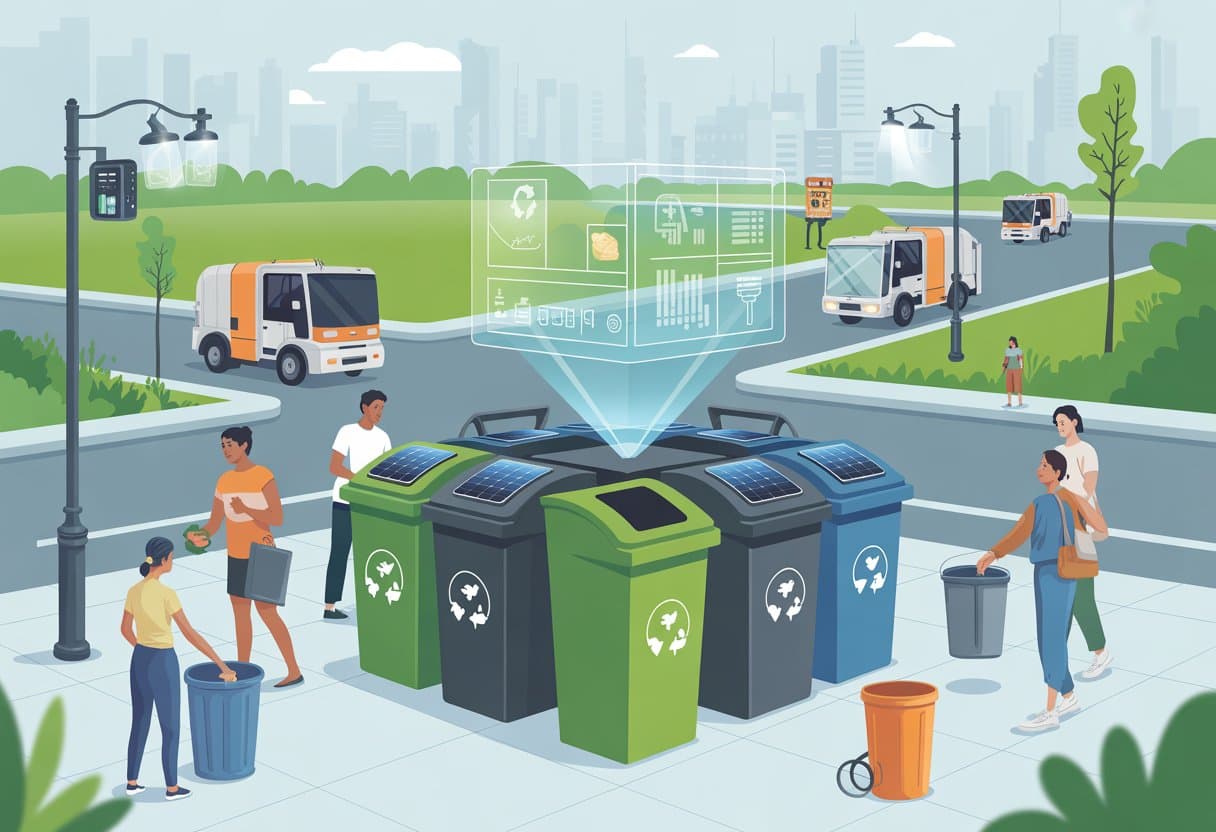
- Smart Waste Management: Sensors installed in bins can monitor fill levels in real-time, allowing collection crews to optimize routes and prioritize pickups, thereby reducing fuel consumption and vehicle emissions.
- Environmental Monitoring: The network supports the deployment of air quality sensors, providing councils with granular data to inform public health policies and transport planning.
- Infrastructure Maintenance: Connected sensors can track the status of street lighting or identify issues in public parks, enabling proactive maintenance rather than reactive repairs.
These services are underpinned by the ability of the IoT network to transmit small packets of data over long distances, even in areas with poor cellular reception. As these services scale, the data collected will be analyzed to identify further efficiency gains, with all participating councils maintaining adherence to UK GDPR guidelines regarding data privacy and security.
The Future of Digital Integration in Essex
The success of the South Essex IoT network serves as a blueprint for other local government partnerships across the United Kingdom. Experts in digital transformation note that the primary challenge for future projects will be the long-term maintenance of these systems and the ability to integrate emerging technologies as they become available. The Local Government Association continues to monitor these developments to determine how similar models can be replicated in other regions.
Looking ahead, the next phase for the South Essex councils involves expanding the pilot programs to include more complex data sets, such as real-time traffic management and flood defense monitoring. Official updates on the expansion of these services are expected to be published through the ASELA digital portal as new use cases pass their initial testing phases. Residents interested in how these technologies are impacting their specific neighborhoods are encouraged to review the public transparency reports released annually by their respective local councils.
Have thoughts on how smart city technology should be implemented in your area? Join the conversation by sharing your feedback in the comments section below.
Keep reading