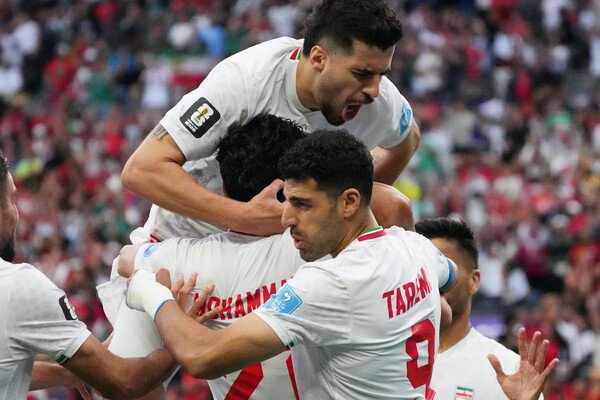
South Korea’s chances of advancing to the Round of 32 have significantly diminished following a 1-1 draw between Egypt and Iran, a result that has caused the Hong Myung-bo-led squad to drop to eighth place among the best third-placed teams. This shift in the standings places the South Korean national team in a precarious position, requiring specific outcomes in the remaining three group stages to avoid tournament elimination.
The draw between Egypt and Iran, which concluded with a 1-1 scoreline, has directly impacted the mathematical landscape for teams competing for a wildcard spot. According to reports from Money Today and Kookmin Ilbo, the stalemate has pushed South Korea down the rankings of third-place finishers, a critical metric used to determine which non-automatic qualifiers move into the knockout phase.
How the Egypt-Iran Draw Affects South Korea’s Qualification
In tournament formats involving a Round of 32, qualification is typically reserved for the top two teams from each group, supplemented by the four highest-ranked third-place finishers. The 1-1 draw between Egypt and Iran has altered the points and goal difference calculations across the competing groups, effectively stalling South Korea’s momentum.

Current standings indicate that South Korea has fallen to eighth in the hierarchy of third-placed teams. To secure a spot in the next round, the squad must now rely on the results of the remaining three groups to improve their relative standing. Analysts noted that this drop places the team on the “brink” of elimination, as they no longer hold a safe margin above the cutoff for the four qualifying wildcard spots.
The mathematical necessity for South Korea now involves a combination of:
- Maintaining or improving goal difference in upcoming fixtures.
- Other third-place teams failing to secure wins in their final matches.
- Specific point totals from the remaining group stages that do not overtake the South Korean position.
The Impact of Third-Place Rankings in Tournament Play
The reliance on third-place rankings introduces a high level of volatility into tournament progression. Because teams are ranked against one another across different groups, a single result in a match unrelated to South Korea—such as the Egypt-Iran draw—can have a cascading effect on their survival prospects.
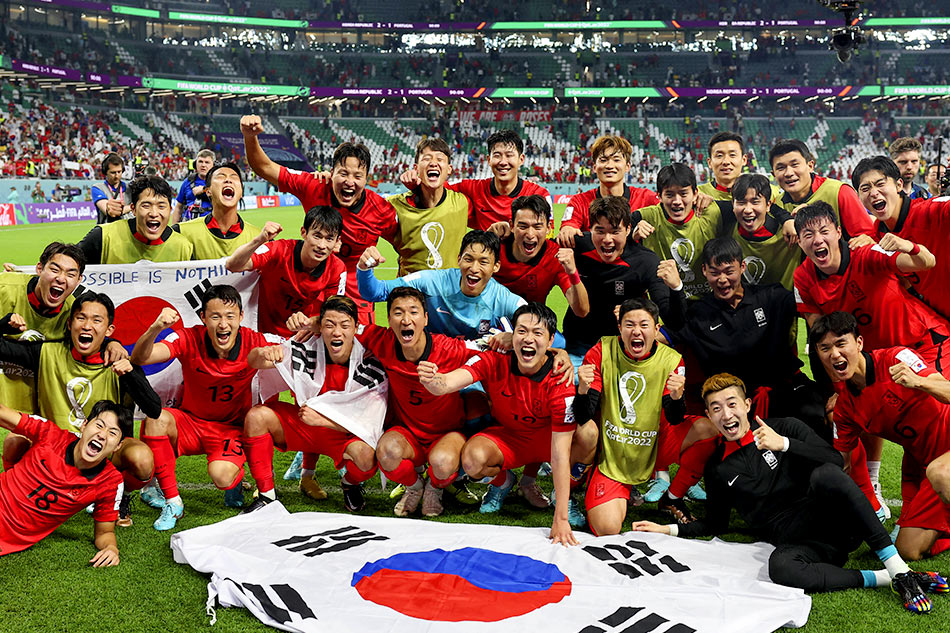
When a match ends in a draw, it provides a specific point value (typically one point) to both participants, which can be more beneficial to a third-place ranking than a high-scoring loss, but often less beneficial than a decisive victory. The 1-1 result in the Egypt-Iran match has effectively “stagnated” the point accumulation for those teams, allowing other groups to potentially leapfrog the South Korean side in the rankings.
| Metric | Status/Value | Impact on South Korea |
|---|---|---|
| Current 3rd-Place Rank | 8th | High risk of elimination |
| Required Qualification Spots | Top 4 (3rd-place teams) | Must climb 4 positions |
| Key Variable | Remaining 3 Groups | Determines final standings |
Controversy Surrounds FIFA’s Stance on Social Symbols
The Egypt-Iran match was also marked by off-pitch tension regarding FIFA’s decision to permit the display of rainbow flags, symbols associated with the LGBTQ+ community, during the event. This decision has drawn significant criticism and backlash from various stakeholders involved in the match.
According to Yonhap News and reports via Daum, the decision to allow these symbols was met with resistance from representatives of the competing sides. The controversy centers on the clash between FIFA’s social inclusion policies and the cultural or religious sensitivities of specific participating nations. While FIFA has maintained its stance on allowing such expressions, the incident has added a layer of diplomatic and social tension to an already high-stakes competitive environment.
The intersection of social policy and international football continues to be a point of contention for FIFA, particularly when such decisions impact matches involving nations with strict domestic laws regarding social symbols. The reaction to the Egypt-Iran match reflects a growing divide in how international sporting bodies manage global social mandates versus regional cultural norms.
What Happens Next for Hong Myung-bo’s Squad?
The immediate focus for the South Korean coaching staff remains on the tactical adjustments required to navigate the remaining group matches. With the team’s mathematical path to the Round of 32 narrowing, the pressure on Hong Myung-bo to secure a result that maximizes goal difference is intensifying.
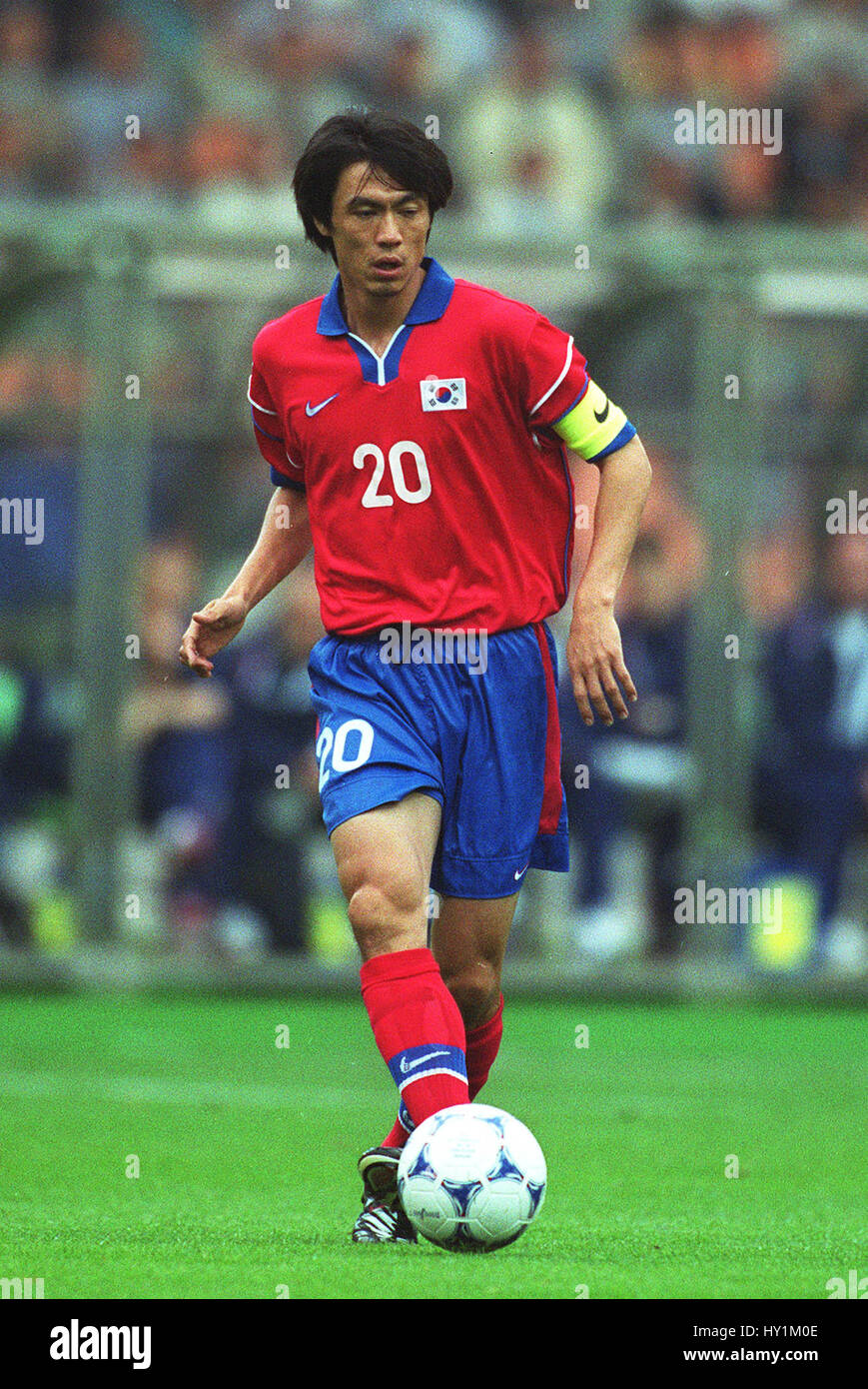
The upcoming schedule will be decisive. South Korea’s ability to advance will not only depend on their own performance on the pitch but also on the results of the final matches in the remaining three groups. Every goal scored or conceded in those matches will directly influence whether South Korea remains in the eighth position or climbs back into the top four third-place spots.
Official updates regarding the final group stage standings and the confirmed list of Round of 32 qualifiers are expected following the conclusion of the remaining group matches. Fans and analysts will be monitoring the goal difference and points tallies of all third-place teams closely.
What are your thoughts on South Korea’s chances of recovering their ranking? Let us know in the comments below and share this article with other football fans.
Worth a look