
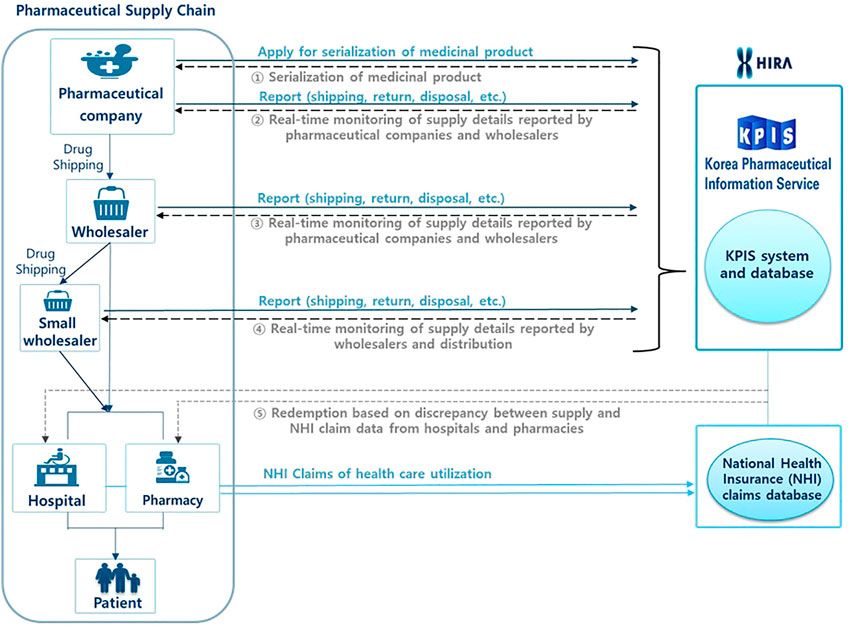
The invisible threads connecting geopolitical stability to patient bedside care are often overlooked until they begin to fray. Currently, a growing tension in the Middle East is manifesting not just as a diplomatic crisis, but as a critical vulnerability in the global medical supply chain. At the center of this instability is naphtha, a fundamental petrochemical raw material that serves as the building block for a vast array of essential medical plastics.
For healthcare providers and patients, this may seem like a distant industrial concern, but the reality is far more immediate. The volatility of naphtha supplies threatens the production of everything from intravenous (IV) fluid bags to basic medical consumables. While immediate stockpiles may prevent a total collapse in the short term, the specter of a prolonged conflict is creating significant anxiety across the pharmaceutical and healthcare sectors, particularly in regions heavily dependent on imported raw materials.
As a physician and journalist, I have seen how systemic fragilities can lead to clinical crises. The current medical supply chain instability highlights a dangerous over-reliance on specific geographic corridors for raw materials. When the supply of a single chemical precursor like naphtha is compromised, the ripple effect extends from refineries to pharmaceutical plants, and eventually to the sterile environment of the operating theater.
The Naphtha Link: From Petrochemicals to IV Fluids
To understand why a conflict in the Middle East impacts a hospital ward, one must understand the chemistry of medical packaging. Naphtha is a flammable liquid hydrocarbon mixture that is essential for producing plastic resins. These resins are the primary material used to manufacture IV bags—the sterile containers that hold saline and other life-saving fluids required for almost every surgical procedure and emergency admission.
In South Korea, a major hub for pharmaceutical innovation, the industry is feeling this pressure acutely. Leading IV fluid suppliers, including HK inno.N, JW Pharmaceutical, GC MS, and Daehan Pharmaceutical, rely on these resin chains. Industry insiders indicate that while inventories currently suffice for one to two months, a protracted war would produce supply disruptions inevitable according to reports on the prolonged Middle East conflict.
The danger is not merely the lack of the fluid itself, but the lack of the vessel to hold it. Without the specific medical-grade plastics derived from naphtha, the production of sterile IV bags halts, rendering the medication inside useless for clinical application.
Beyond the Bag: The Crisis of Medical Consumables
While IV bags are the most visible point of failure, the instability extends to a broader category of medical consumables. Many essential items—such as feeding tubes, IV sets, and syringes—are produced in facilities that rely on the same petrochemical precursors or are imported from regions affected by the conflict.
The vulnerability is exacerbated by a lack of domestic manufacturing for these basic tools. In many markets, including South Korea, there are virtually no domestic factories for certain high-demand consumables, meaning the entire supply is subject to the whims of international shipping and raw material availability. The Korean Medical Association (KMA) has already raised alarms, stating that some medical institutions are already experiencing disruptions in the supply of basic packaging materials and syringes as reported by MTN.
This creates a precarious situation for clinicians. A surgeon cannot operate without syringes; a patient in critical care cannot be nourished without a feeding tube. When these “simple” items disappear, the entire healthcare delivery system slows down, regardless of how advanced the medical technology or the expertise of the staff may be.
The Raw Material Gap and API Self-Sufficiency
The crisis extends beyond plastics into the remarkably chemistry of the medicines themselves. Active Pharmaceutical Ingredients (APIs) are the biologically active components of a drug. The synthesis of these ingredients often requires specific solvents and precursors that are derivatives of the petrochemical industry.
The reliance on external sources for these materials is a systemic risk. For example, as of 2024, the self-sufficiency rate for APIs in the South Korean pharmaceutical and bio-industry stood at only 31.9% per industry data. This means nearly 70% of the core components of their medications are sourced from abroad.
While the direct export share to Middle Eastern countries may be relatively low—approximately 6.5% for the Korean bio-industry—the indirect impact of a regional war on global chemical pricing and shipping lanes is far more significant. When the supply of raw materials is squeezed, costs rise, and the availability of essential medicines becomes unpredictable.
Governmental Response and Mitigation Strategies
Recognizing the potential for a public health crisis, government bodies have begun implementing emergency measures to increase supply chain flexibility. In South Korea, a coordinated effort involving the Ministry of Food and Drug Safety (MFDS), the Ministry of Trade, Industry and Energy (MOTIE), and the Ministry of Health and Welfare (MOHW) has been launched.
The strategy focuses on removing bureaucratic bottlenecks that typically slow down supply chain pivots. Key actions include:
- Accelerated Approvals: The MFDS is fast-tracking approvals for the addition of new manufacturing sites and changes in packaging materials. This allows companies to switch suppliers more quickly if their primary source of naphtha-based resin fails as detailed by News1.
- Direct Industry Engagement: Government officials have conducted on-site visits and held meetings with manufacturers to monitor real-time inventory levels and identify specific bottlenecks in the supply of essential medicines via the Ministry of Health and Welfare.
- Resource Prioritization: Efforts are being made to ensure that medical-grade resins are prioritized for healthcare use over other industrial applications.
These measures are designed to buy time. By allowing “flexible” packaging and manufacturing changes, the government is essentially giving pharmaceutical companies the legal permission to adapt their production lines to whatever materials are available, rather than being locked into a single, failing supply route.
Summary of Supply Chain Risks
| Affected Component | Dependency | Clinical Impact |
|---|---|---|
| IV Fluid Bags | Naphtha $\rightarrow$ Plastic Resin | Inability to administer fluids/meds |
| Medical Consumables | Imported Plastic Components | Shortage of syringes, feeding tubes |
| API Synthesis | Petrochemical Solvents | Shortage of core drug ingredients |
| Packaging | Specialized Polymers | Reduced shelf-life/storage issues |
What This Means for the Global Healthcare Outlook
The current tension serves as a stark reminder that healthcare security is inseparable from economic and geopolitical security. The “just-in-time” delivery model, which has dominated global logistics for decades to reduce costs, has proven to be dangerously fragile in the face of regional conflict.
For the medical community, the path forward requires a shift toward “just-in-case” resilience. This includes diversifying the sources of raw materials, investing in domestic production of essential consumables, and increasing the self-sufficiency of API production. The 31.9% self-sufficiency rate seen in some advanced economies is a warning sign that the world is overly dependent on a few critical nodes of production.
As we monitor the situation in the Middle East, the primary indicator of success will not be the cessation of conflict alone, but the ability of healthcare systems to maintain the flow of essential supplies despite it. The ability to pivot suppliers and expedite regulatory changes is a start, but long-term stability requires a fundamental redesign of how we source the chemistry of care.
The next critical checkpoint for observers will be the upcoming quarterly reports from pharmaceutical manufacturers and updated inventory assessments from the Ministry of Food and Drug Safety, which will indicate whether current stockpiles are depleting faster than anticipated.
Do you believe healthcare systems should prioritize domestic production of basic medical supplies even if it increases costs? Share your thoughts in the comments below.