
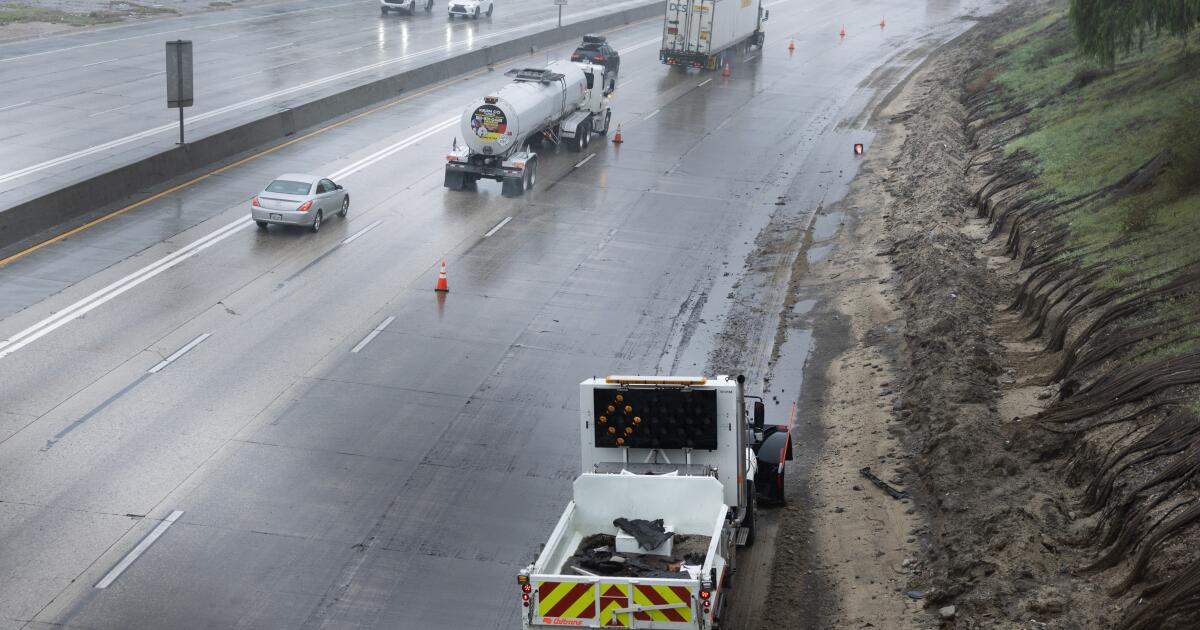
southern California Braces for New Year’s Storm: What to Expect & How to Prepare
Are you planning New Year’s Eve celebrations in southern California? A meaningful whether system is heading our way, promising rain, wind, adn a possibly soggy start to 2026. This isn’t a repeat of last week’s record-breaking deluge, but preparation is key. This article provides a detailed breakdown of the forecast, potential impacts, and actionable steps you can take to stay safe and informed.
Understanding the Approaching Storm
Southern California residents should anticipate a shift in weather conditions this week. While not as intense as the storm experienced recently, this system carries the strong possibility of a wet New Year’s eve and Day.Current forecasts indicate rainfall rates of a quarter to half an inch per hour from Wednesday night through Thursday morning.
The National Weather Service estimates an 80-90% chance of rain impacting the Rose Parade – the first such high probability in over two decades. Actually, the last time the parade experienced wet conditions was in 2006. Staying ahead of the storm is crucial for both event attendees and those simply navigating daily life.
Detailed Timeline of Expected Conditions
Here’s a day-by-day breakdown of what you can expect:
* Tuesday: Expect windy conditions throughout the day. A chance of rain develops overnight.
* Wednesday: Rain chances steadily increase as the day progresses, becoming more likely into wednesday night.
* Thursday: This is when the storm will be at its peak, lasting through Thursday night. Be prepared for sustained rainfall and gusty winds.
* Friday: Conditions begin to improve,with a reduced chance of rain (10-12%).
* Saturday: The possibility of additional rain remains, though less certain than earlier in the week.
Rainfall & wind Expectations: What to Prepare For
Here’s a closer look at the anticipated rainfall and wind impacts:
* Rainfall totals: Expect 1-3 inches of rain across the basin areas. Foothills and mountain regions could see 3-5 inches.
* Wind Gusts: Wind gusts could reach 30-50 mph, potentially causing downed trees and power outages.
* Ground Saturation: As highlighted by meteorologist Andrew engler (@aerockrose on X,formerly Twitter),already saturated ground substantially increases the risk of landslides and flash floods,even with moderate rainfall. https://twitter.com/aerockrose/status/2005903990421078355
Safety Measures: Protecting Yourself & Your Property
Now that you understand the forecast, let’s focus on preparation. Here’s a step-by-step guide:
- Secure Outdoor Items: Bring inside or securely tie down anything that could be blown away by strong winds – patio furniture, trash cans, decorations, etc.
- Clear Gutters & Drains: Ensure your gutters and nearby storm drains are clear of debris to prevent water buildup and potential flooding.
- Emergency Kit: Restock your emergency kit with essentials like flashlights, batteries, a first-aid kit, non-perishable food, water (one gallon per person per day for at least three days), and any necessary medications.
- Stay Informed: Monitor local news and weather reports for updates. The National Weather Service (https://www.weather.gov/) is an excellent resource. Sign up for local emergency alerts.
- Travel Preparedness: If you must travel, check road conditions before you leave. Allow extra time for your commute and be cautious of slick roads.
- power Outage Planning: Charge your electronic devices and consider having a backup power source if you rely on medical equipment.
Understanding Flood Risk & Safety
Given the saturated ground, the risk of flash floods is elevated. Here’s what you need to know:
* Never Drive through Floodwaters: “Turn around, don’t drown.” Even six inches of moving water can knock you off your feet.
* **Be Aware of Low-Lying


