
The Shadowy World of Illegal Exotic Animal Sanctuaries: A Deep Dive into the Ávila Raid (November 2025)
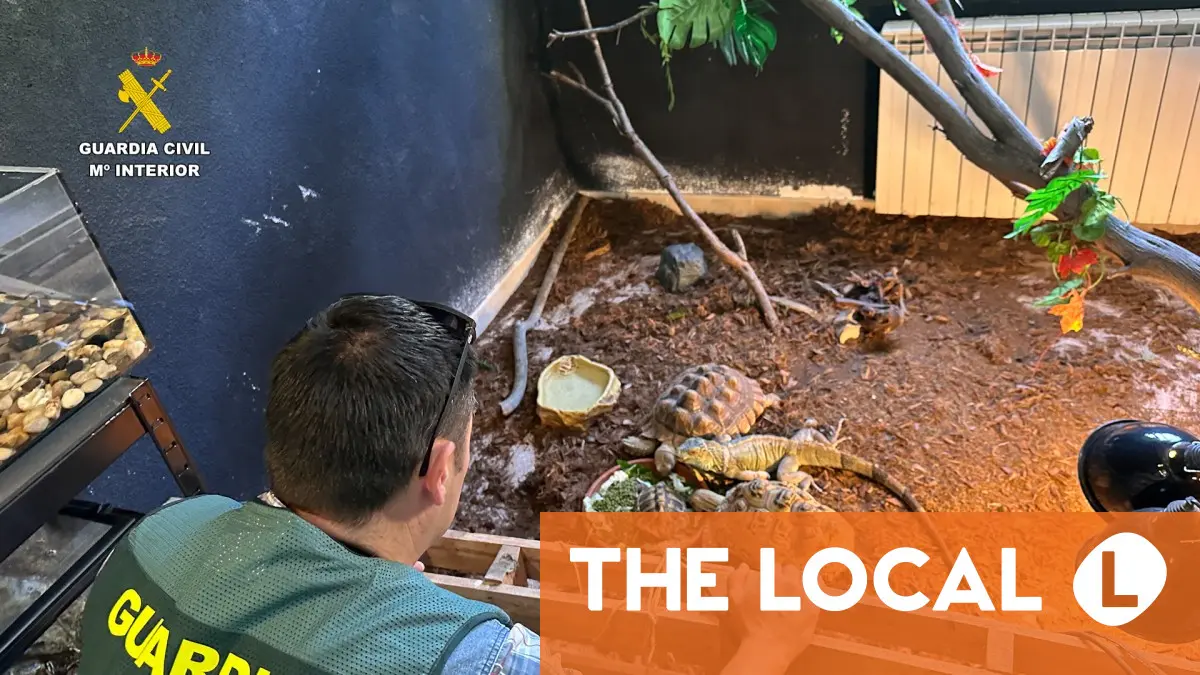
The recent raid by Spanish police on an unlicensed animal sanctuary in Ávila province, rescuing 472 exotic animals, shines a stark light on the growing problem of illegal wildlife trade and the deceptive practices of some animal welfare organizations. This isn’t simply a story about rescuing tortoises and lizards; it’s a complex issue involving criminal networks, unregulated fundraising, and the inherent risks to both animal welfare and public health.As of November 15,2025,this case serves as a critical reminder of the vulnerabilities within the exotic animal rescue system and the urgent need for stricter regulations and increased openness. This article will delve into the details of the Ávila raid, explore the broader context of illegal wildlife trafficking, and offer insights into how individuals can support legitimate animal conservation efforts.
Understanding the Scope of Illegal Wildlife Trade
The illegal wildlife trade is a multi-billion dollar industry, ranking among the most lucrative forms of transnational organized crime, alongside drugs and arms trafficking. While frequently enough associated with iconic species like elephants and rhinos, the trade encompasses a vast array of animals, including reptiles, amphibians, and invertebrates – the very creatures at the heart of the Ávila case.
Did You Know? The global illegal wildlife trade is estimated to be worth between $7-23 billion annually, according to the United Nations Habitat Programme (UNEP) and INTERPOL (2024 report).
The demand for exotic pets fuels a important portion of this trade. Social media platforms, ironically, have become key tools for both facilitating illegal sales and soliciting donations for seemingly legitimate rescue operations. This is precisely what authorities discovered in Ávila. The NGO in question leveraged social media to garner financial support, creating a façade of legitimate animal care while allegedly engaging in illicit activities.
The Ávila Raid: A Case Study in Deception
The Civil Guard’s investigation, initiated in June 2023, revealed a disturbing pattern. The sanctuary lacked the necessary permits to operate legally, and the animals seized – leopard tortoises, spurred tortoises, Mediterranean tortoises, iguanas, geckos, tarantulas, and Nile monitor lizards – lacked proper documentation and traceable origins. This absence of “legal traceability” is a red flag, indicating the animals likely entered Spain through irregular channels, perhaps involving smuggling and illegal importation.
Pro Tip: When considering donating to an animal rescue organization, always verify its legal status, licensing, and transparency regarding its funding and animal sourcing. Reputable organizations will readily provide this information.
The investigation identified four individuals suspected of being involved in a criminal organization dedicated to the illegal trafficking of exotic animals. This suggests a sophisticated operation, not simply a case of well-intentioned but misguided animal lovers. the scale of the operation – 472 animals seized – underscores the potential for significant profit and the widespread impact of such activities.
The Risks Associated with Illegal Exotic Animal Ownership
Beyond the ethical concerns of supporting illegal wildlife trade, owning exotic animals carries significant risks:
* Animal Welfare: illegally traded animals often endure horrific conditions during transport, leading to stress, injury, and death. Even in sanctuaries, inadequate care and lack of specialized knowledge can compromise their well-being.
* Public Health: Exotic animals can carry zoonotic diseases – diseases transmissible from animals to humans – posing a serious public health threat. Salmonella, herpes B virus, and various parasitic infections are just a few examples.
* Ecological Impact: released or escaped exotic animals can become invasive species, disrupting local ecosystems and threatening native wildlife.
* Legal Consequences: Owning illegally obtained exotic animals can result in hefty fines, confiscation of the animals, and even criminal charges.
| Risk | Description | Mitigation |
|---|---|---|
| Animal Welfare | Stress, injury, and death during transport; inadequate care. | Support legitimate rescues; avoid purchasing exotic animals. |
| Public Health | Zoonotic diseases. | Strict quarantine protocols; responsible animal handling. |
| Ecological Impact | Invasive species. | Prevent escapes; responsible pet ownership. |





![Lou Reed, Ramones & Green Day: Inside Story of Music Producer [Name]](https://i0.wp.com/consequence.net/wp-content/uploads/2025/12/Howie-Klein-Lou-Reed.jpg?resize=150%2C100&ssl=1 "Lou Reed, Ramones & Green Day: Inside Story of Music Producer [Name]")
