
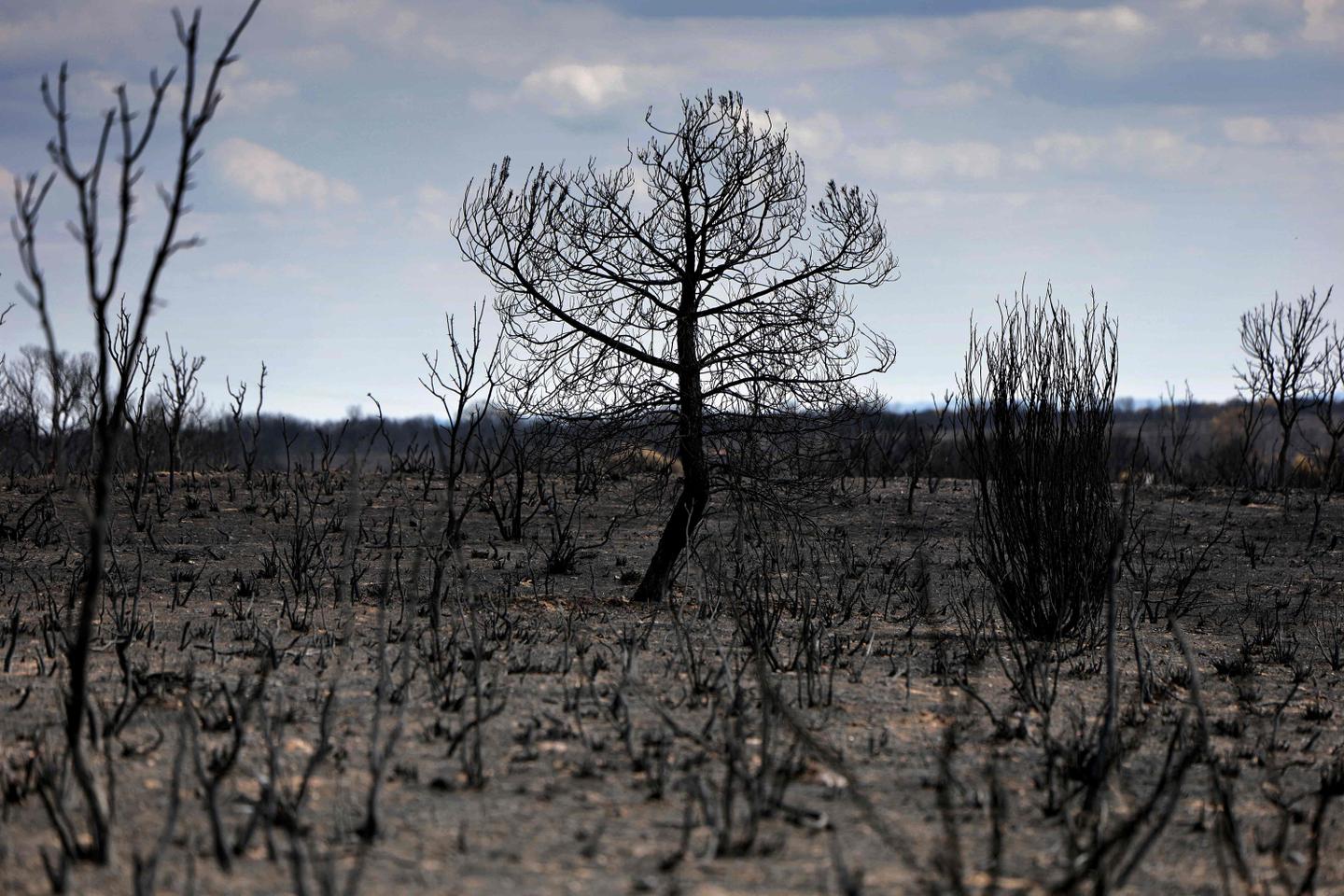
Spain’s Rural Wildfires: Abandoned Villages Fuel the Flames
The recent surge in wildfires across rural spain is a stark reminder of a growing crisis. While conditions are improving,with seven active fires remaining – six posing a threat to communities – the underlying causes demand attention. It’s a situation where the absence of people is, paradoxically, accelerating the spread of destruction.
A Shift in the Landscape
Currently, the most dangerous fires are concentrated in the Castile and León region in the northwest.Fortunately, the overall outlook is becoming more optimistic. Favorable weather patterns are aiding in controlling active fire fronts and contributing to a continuing enhancement in the situation.
However, this progress doesn’t diminish the core issue: the rapid advancement of these fires is directly linked to the depopulation of Spain’s rural areas.
Why Abandonment Matters
Here’s what’s happening: when villages are left abandoned, the natural landscape undergoes significant changes.
Increased Fuel Load: Vegetation accumulates unchecked in areas where it would traditionally be managed through agriculture and forestry. This creates a massive buildup of flammable material.
Reduced Early Detection: fewer people mean fewer eyes on the ground to spot fires in their initial stages. Early detection is crucial for rapid response and containment.
Hindered Access: Abandoned infrastructure, like roads and pathways, become overgrown and difficult to navigate, hindering firefighters’ access to critical areas.
I’ve found that this creates a dangerous cycle. Fires spread more quickly and intensely, making it even less appealing for people to return and rebuild, further exacerbating the problem.
The Bigger Picture
This isn’t simply a Spanish issue. Rural depopulation is a global trend, and it’s creating similar vulnerabilities in many regions. As people move to urban centers in search of economic opportunities, vast areas of land are left vulnerable to environmental disasters.
You might be wondering what can be done. A multi-faceted approach is essential.
Rural revitalization: Investing in rural economies, creating jobs, and improving infrastructure can incentivize people to stay or return.
Proactive Forest Management: implementing controlled burns, clearing brush, and promoting sustainable forestry practices can reduce fuel loads.
Enhanced Monitoring: Utilizing technology like drones and satellite imagery can improve early fire detection.
* Community Engagement: Empowering local communities to participate in fire prevention and management is vital.
Ultimately, addressing the root causes of rural abandonment is key to mitigating the risk of future wildfires. It requires a long-term commitment to supporting rural communities and recognizing the vital role they play in safeguarding our environment.
It’s a complex challenge, but one we must confront to protect both lives and landscapes.


