SpainS Economic Success: A Closer look at Who Benefits
Spain is enjoying a moment in the economic spotlight. The Economist recently crowned it the best-performing economy in the world for 2024, surpassing 36 other “rich” nations. Even global investment giant BlackRock ranks Spain as the third best investment destination for 2026.But is this economic success translating into tangible benefits for everyday Spaniards? The picture is more complex than headlines suggest.
A Tale of Two Economies
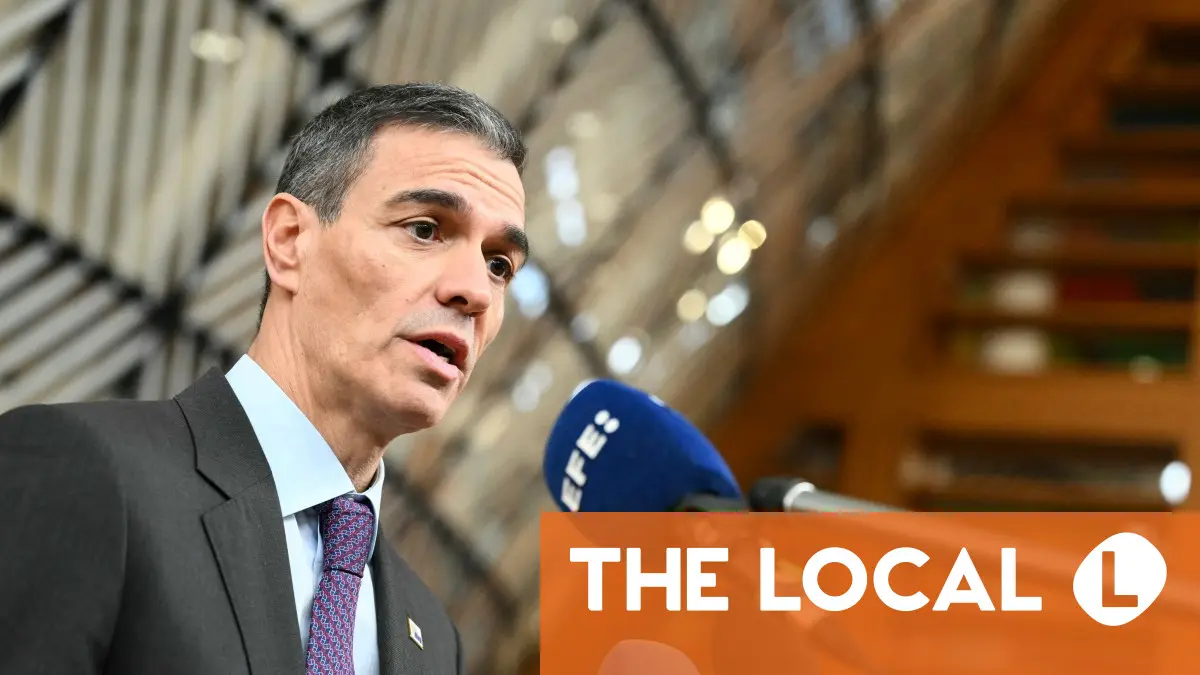
Prime minister Pedro Sánchez defends his coalition government’s progress toward a ”fairer, more competitive, more productive and more humane” economy. He points to strong growth and the creation of 3 million jobs since 2018. However, Sánchez himself acknowledges a critical disconnect: these positive macro figures aren’t fully reaching working people.
This sentiment echoes a growing concern among economists and citizens alike. While Spain’s economy outperforms the European average, the purchasing power of its citizens remains stubbornly low. Critics argue that focusing solely on macroeconomic indicators masks the financial realities faced by many.
The Numbers Don’t Lie: stagnant Purchasing Power
Recent data from Eurostat reveals a concerning trend. Spain’s average income level remains eight points below the EU average – a gap that hasn’t narrowed in 25 years. This means the Gross Domestic Product per capita, adjusted for purchasing power, has remained stagnant at approximately €27,770 since 2024.
This lack of improvement is particularly stark when considering the rising cost of living.
* Soaring Property Prices: The Spanish property market has experienced significant growth,especially post-pandemic.
* Displacement: This surge in prices is forcing residents out of established neighborhoods in major cities like Madrid, Barcelona, Valencia, and Palma de Mallorca.
* Precarious Employment: many Spaniards continue to face precarious employment conditions and financial hardship.
What Does This Mean for You?
You might be wondering what this means if you live in or are considering moving to Spain. While the economy is growing, it’s crucial to understand that this growth isn’t evenly distributed.
Here’s a breakdown of the key takeaways:
* Economic Growth is Real: Spain is experiencing positive economic momentum.
* Purchasing power Lags: Your money doesn’t go as far in Spain as it does in many other EU countries.
* Regional Disparities Exist: The impact of economic conditions will vary considerably depending on where you live.
* housing Costs are a Major Concern: Finding affordable housing, particularly in popular urban areas, is increasingly challenging.
The Path Forward
The Sánchez government recognizes the need to bridge the gap between macroeconomic success and individual well-being. the focus now is on ensuring that economic growth translates into a “microeconomic impact on the daily lives of workers.”
Addressing this challenge will require a multi-faceted approach, including:
* Wage Growth: Policies aimed at increasing wages and improving working conditions.
* Affordable Housing initiatives: measures to curb rising property prices and increase the availability of affordable housing.
* Social Safety Nets: Strengthening social safety nets to protect vulnerable populations.
Spain’s economic story is one of both promise and challenge.While the nation is experiencing a period of remarkable growth, ensuring that all citizens benefit from this success remains a critical priority.
Further Reading:
* Is Spain’s ‘economic miracle’ making Spaniards richer?
* Spain’s population keeps increasing due to immigration
* Which economy did best in 2024