Former King Juan Carlos I‘s Memoirs Spark Controversy in Spain
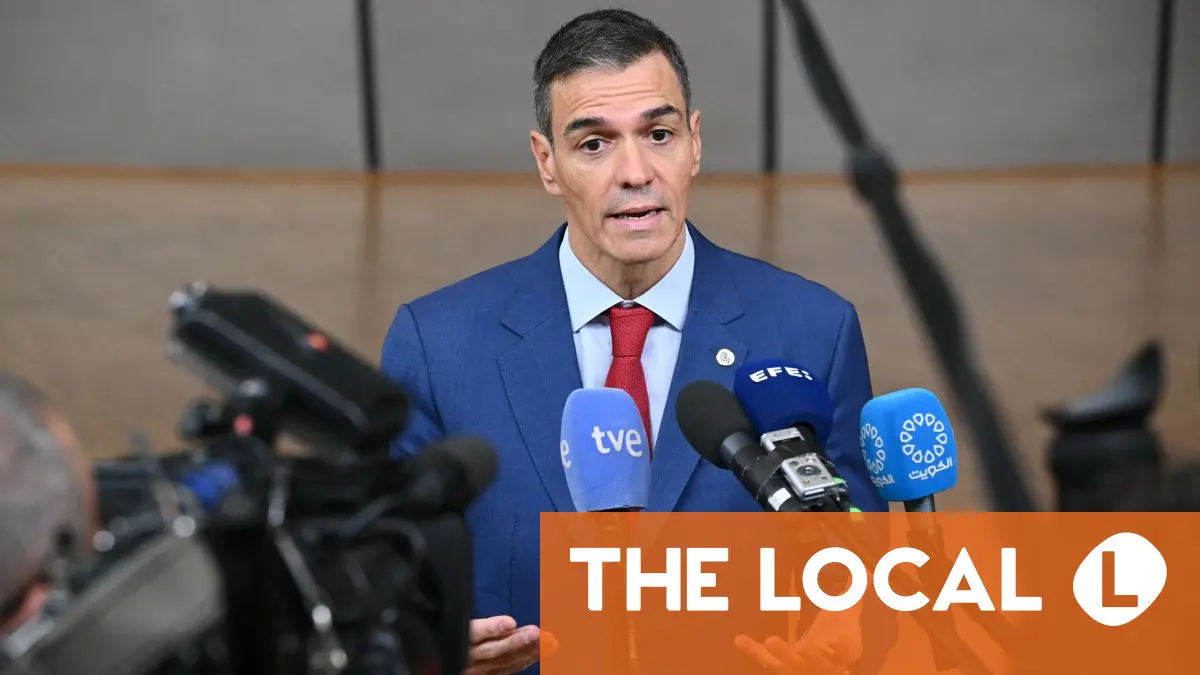
Spain is grappling with the fallout from the recently released memoirs of former King Juan Carlos I, titled “Reconciliation.” The 500-page book,currently available in French with a spanish release slated for December 3rd,has ignited debate due to it’s reflections on pivotal moments in Spanish history,personal conduct,and financial dealings. Prime Minister Pedro Sánchez expressed surprise at some of the claims, signaling a potential rift between the current government and the exiled monarch.
key Revelations and Reactions
The book delves into sensitive topics, most notably Juan Carlos I’s perspective on his relationship with General Francisco Franco and his role in Spain’s transition to democracy. Several passages have drawn sharp criticism from across the political spectrum.
Here’s a breakdown of the key points causing contention:
* Praise for Franco: The former king’s warm words regarding the late dictator have been widely condemned. Culture Minister Ernest Urtasun labeled the praise ”sickening,” emphasizing the brutality of Franco’s regime.
* Role in Democracy: Juan Carlos I asserts he “gave freedom to the Spanish people by establishing democracy.” This claim clashes with the widely held view that democracy was the result of decades of struggle by ordinary Spanish citizens. Sánchez plans to address this point,highlighting the efforts of the Spanish people.
* Personal Affairs & Scandals: The memoirs also address the monarch’s well-documented extramarital affairs and financial scandals, offering his personal account of these controversies.
A Complex Legacy
Juan Carlos I’s reign was instrumental in Spain’s shift from dictatorship to democracy following Franco’s death in 1975. Franco himself strategically groomed the young Juan Carlos to be his successor, separating him from his parents at age 10.
However, the former king quickly disappointed hardliners who hoped he would maintain the dictator’s legacy. He swiftly implemented reforms leading to democratic elections in 1977.
Despite his initial success,Juan Carlos I faced increasing scrutiny in later years. He abdicated in 2014 in favor of his son, King Felipe VI, and went into self-imposed exile in the United Arab Emirates in 2020.
Current Government Response
Prime Minister Sánchez, while acknowledging he hasn’t read the full memoir, stated he wouldn’t recommend it. He emphasized that democracy wasn’t simply “given” but earned through the struggles of the Spanish people. He also praised King felipe VI’s current leadership, suggesting a clear distinction between the two monarchs.
Former Prime Minister Jose Luis Rodriguez Zapatero urged Juan Carlos I to have “tempered his words” regarding Franco, given the regime’s history of repression. The former king stated he published the memoir because he felt his story “was being stolen from me.”
This situation underscores the ongoing debate surrounding Spain’s past and the complex legacy of its former monarch. The release of “Reconciliation” has undoubtedly reopened old wounds and prompted a national conversation about accountability, historical memory, and the path forward for the Spanish monarchy.