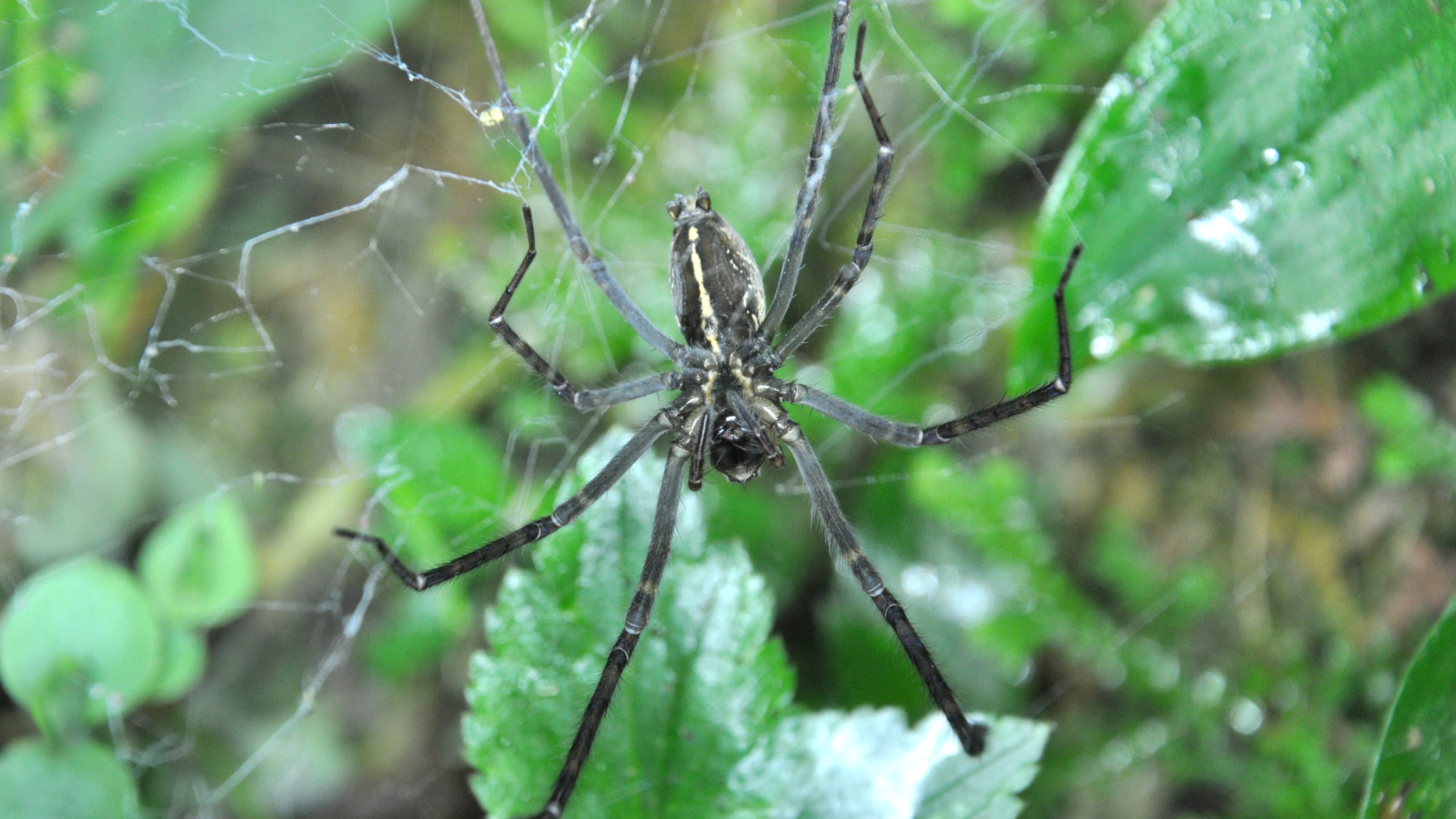
The Deceptive Strategy of Sheet Web Spiders: Exploiting Firefly Romance for a Meal
Sheet web spiders, masters of ambush predation, have revealed a surprisingly cunning hunting tactic. Researchers have discovered these spiders aren’t just catching fireflies – they’re actively using the insects’ own mating signals against them.This behavior highlights a remarkable level of cognitive adaptability in these arachnids.
A Glowing trap
Typically, sheet web spiders patiently await unsuspecting prey in the dim undergrowth of East Asian subtropical forests. When an insect blunders into their web, the spider swiftly dispatches and consumes it. However, fireflies are treated differently.
Footage reveals captured fireflies are often left alive for up too an hour.This timeframe closely matches the duration a female firefly emits a steady glow to attract a mate.It appears the spiders are capitalizing on this crucial signal.
Why Fireflies Fall for the ruse
Most of the fireflies ensnared where male. This suggests the spiders are exploiting a fundamental aspect of firefly behavior: the male’s tendency to approach any consistent glow, mistaking it for a potential partner. You can imagine their confusion and ultimately, their fate.
This isn’t simply a case of a predator benefiting from bioluminescence.Other sit-and-wait predators, like anglerfish, produce their own light to lure prey. Sheet web spiders, however, have cleverly learned to interpret and manipulate an existing signal.
A Refined Understanding of Prey
Researchers believe the spiders can differentiate between various prey species. They adjust their handling behavior accordingly, demonstrating a level of discernment previously unseen in this type of predator. It’s a captivating example of adaptive behavior.
“Handling prey in different ways suggests that the spider can use some kind of cue to distinguish between the prey species they capture and determine an appropriate response,” explains one researcher. “We speculate that it is probably the bioluminescent signals of the fireflies that are used to identify fireflies enabling spiders to adjust their prey handling behavior accordingly.”
What This Means for the Future
This discovery underscores the incredible complexity of the natural world. It challenges our assumptions about invertebrate intelligence and highlights the ongoing evolutionary arms race between predator and prey.
Consider these key takeaways:
Exploitation of Signals: Spiders aren’t just reacting to light; they’re understanding its meaning within the context of firefly mating rituals.
Adaptive Behavior: The spiders’ delayed consumption of fireflies is a clear adaptation to maximize their hunting success.
* Cognitive Flexibility: This behavior suggests a level of cognitive ability beyond what’s typically attributed to spiders.
This research opens up exciting avenues for further examination. Understanding how these spiders process information and adapt their strategies could provide valuable insights into the evolution of intelligence and predatory behavior.
Want to test your spider knowledge? Take our spider quiz!