
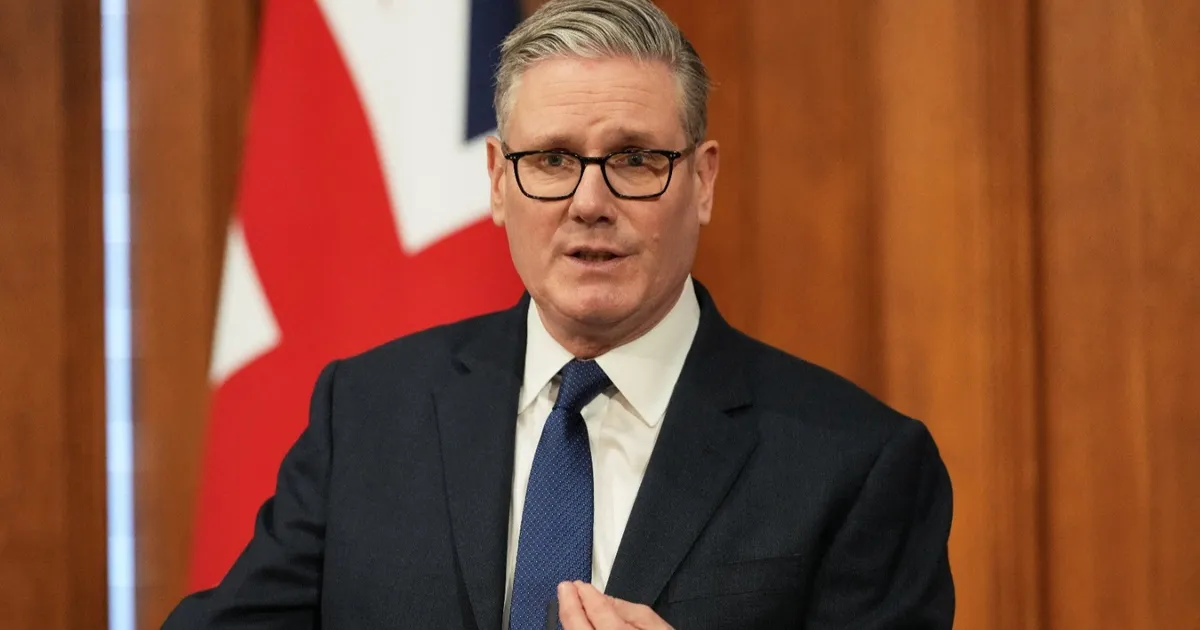
In a period of heightened global instability, United Kingdom Prime Minister Keir Starmer is signaling a strategic preference for multilateral diplomacy and de-escalation. Facing mounting international pressures and volatile regional tensions, the Prime Minister has emphasized a commitment to gathering global partners to stabilize conflict zones and prevent further escalation.
The approach underscores a broader effort by the British government to position itself as a mediator and a stabilizing force. Rather than engaging in unilateral escalations, the current administration is focusing on the “most important” objective: bringing nations together to call for a calming of situations and the opening of diplomatic channels to resolve disputes.
Prioritizing Diplomacy and De-escalation
When questioned on specific high-pressure tactics—including discussions surrounding the potential for port blockades in Iran—Prime Minister Starmer has refrained from providing direct responses to specific tactical demands. Instead, he has pivoted toward a broader diplomatic framework, stressing that the priority for the UK is the collective effort to lower tensions.
This strategy of avoiding direct commitment to aggressive measures suggests a desire to maintain diplomatic flexibility. By focusing on the act of gathering countries together, the UK aims to foster an environment where dialogue can supersede military or economic confrontation, particularly in regions where the risk of wider conflict is high.
A Broader Geopolitical Strategy
This preference for stability is not limited to a single region but is reflected in the UK’s wider international engagements. Recent diplomatic efforts show a concerted push to strengthen strategic partnerships through cooperation rather than conflict. For instance, the UK has recently worked to deepen ties with Oman, specifically focusing on energy, defense, and technology to ensure long-term regional stability.

Starmer has demonstrated a willingness to challenge potential economic instabilities on the global stage. This is evident in his recent warning regarding the dangers of tariffs directed toward Donald Trump, highlighting a concern for global trade stability and the economic risks associated with protectionist policies.
Key Implications of the Starmer Approach
- Multilateralism: A shift toward collective action over unilateral decisions.
- Conflict Avoidance: A stated priority to avoid being drawn into wider conflicts regardless of external pressures.
- Economic Stability: A focus on protecting global trade and deepening energy and tech partnerships.
- Strategic Ambiguity: Avoiding direct answers on tactical military options (such as blockades) to preserve diplomatic leverage.
By balancing strategic partnerships in the Middle East with firm warnings regarding economic volatility in the West, the UK is attempting to navigate a complex geopolitical landscape where the cost of miscalculation is high. The emphasis remains on dialogue and the prevention of unplanned escalation.
The international community will continue to monitor the UK’s diplomatic initiatives as it seeks to convene allies and adversaries alike to foster a more stable global environment. Further updates on these diplomatic gatherings and official government statements are expected as regional tensions evolve.
We invite our readers to share their perspectives on the UK’s current diplomatic strategy in the comments below.