
Navigating the Evolving Landscape of Vaccine Recommendations & Coverage
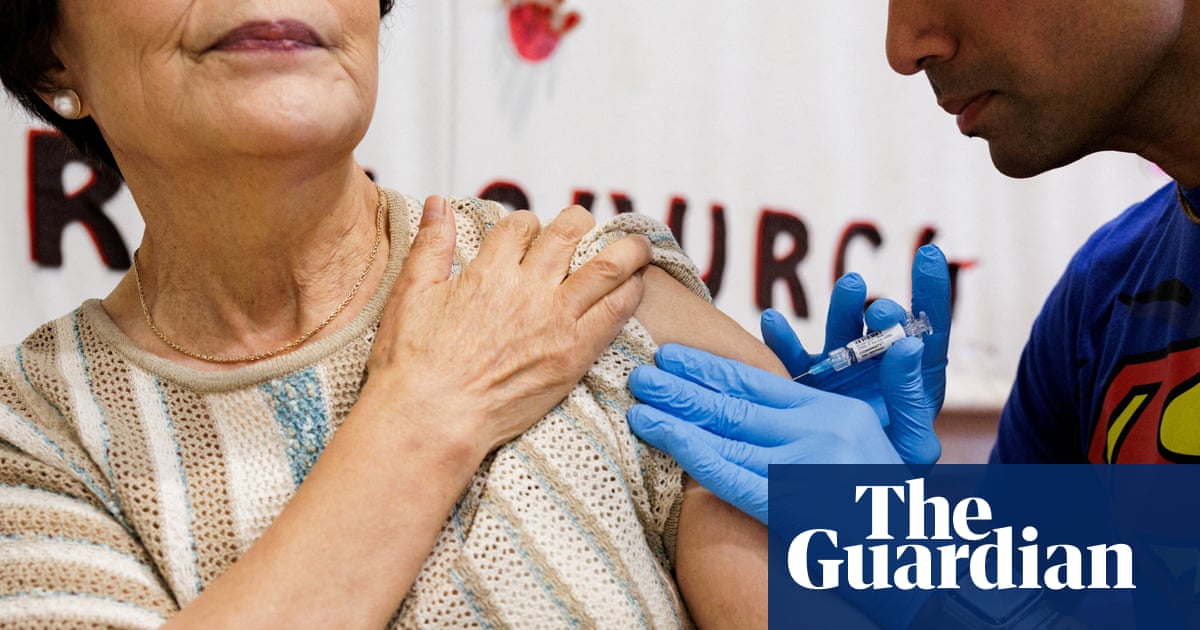
Recent shifts in vaccine recommendations are creating both confusion and concern across the United States. Understanding these changes, and how they impact your access to vital preventative care, is more important than ever. This article breaks down the key developments and what you need to know to stay informed and protected.
New Recommendations & Insurance coverage
The Advisory Committee on Immunization Practices (ACIP) continually reviews and updates its recommendations for vaccinations based on the latest scientific evidence. Recently, these updates have sparked debate and questions about coverage.
Fortunately, a major health insurance trade association announced its members will continue to cover all ACIP-recommended immunizations recommended as of September 1, 2025. However, itS crucial to remember that not all insurers participate in this commitment.Therefore, you should always verify your specific plan’s coverage details.
the Role of States in Vaccine Access
States play a critical role in implementing these recommendations and ensuring equitable access to vaccines. They can actively work to remove barriers and streamline the vaccination process for all residents.
Here’s how states can collaborate for greater impact:
* Evidence-Based Decision Making: States can pool resources to analyze scientific data and develop informed recommendations.
* Bulk Purchasing: Collaborative purchasing power can lower vaccine costs.
* Policy Coordination: Aligning policies across state lines prevents gaps in protection.
Remember, infectious diseases don’t respect state borders. What happens in one state directly affects the health of people in others, especially those who are most vulnerable – young children and individuals with compromised immune systems.
Addressing Concerns & Building Trust
These changes in vaccine policy are understandably causing stress, even for those who diligently follow health news. This uncertainty contributes to a growing habitat of mistrust surrounding public health recommendations.
Obstacles to vaccination, even seemingly small ones, can deter people from getting the protection they need. It’s vital to foster open dialog and address concerns with accurate, accessible facts.
Vaccination Remains Widely Supported
Despite recent political polarization, vaccines remain overwhelmingly popular in the U.S. polling data consistently shows that between 80% and 90% of Americans support vaccination.
Though, support has shifted along political lines in recent years. Interestingly, even in states with more conservative political climates, like Florida, a recent survey reveals strong support for school vaccine mandates. Parents overwhelmingly want their children vaccinated and protected.
What You Can Do
* Confirm Your Coverage: Contact your insurance provider to understand your plan’s vaccine coverage.
* Stay Informed: Rely on credible sources of information, such as your healthcare provider and public health agencies.
* Advocate for Access: Encourage your state representatives to prioritize policies that support vaccine access and public health.
* Talk to Your Doctor: Discuss your individual vaccination needs and address any concerns you may have.
Ultimately, staying informed and proactive is the best way to navigate these evolving recommendations and protect your health and the health of your community.





