
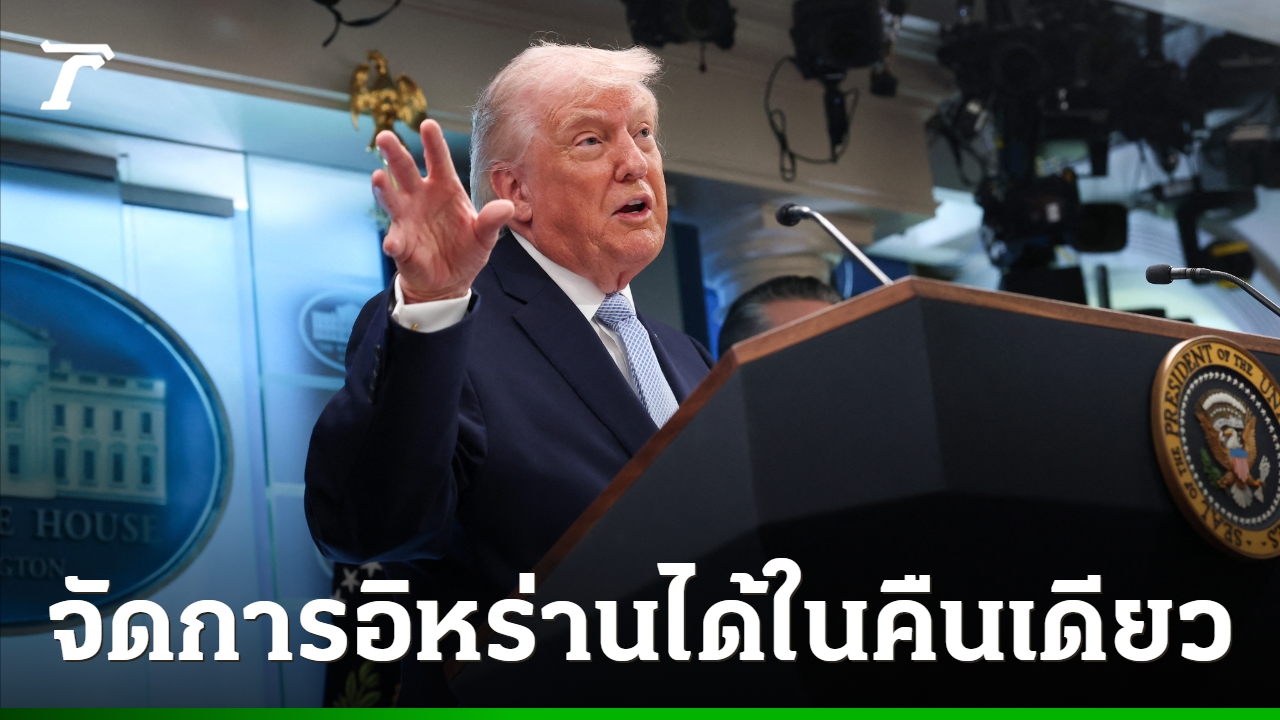
Tensions in the Persian Gulf have reached a critical flashpoint as the United States and Iran engage in a high-stakes standoff over the Strait of Hormuz. In a recent escalation, Donald Trump has issued a stark warning regarding the Iranian government’s control over the vital maritime corridor, claiming he could “handle Iran in one night” even as pressuring the nation to reopen the strait to international shipping.
The Strait of Hormuz serves as one of the world’s most essential oil transit chokepoints, and any prolonged closure threatens global energy security and economic stability. The current deadlock has evolved into a complex diplomatic and military chess match, with the U.S. Threatening decisive action and Iran demanding financial reparations before altering its current posture.
This geopolitical friction is not occurring in a vacuum. International markets are reacting with volatility, as seen in recent mixed closes across Asian stock markets, where investors remain on edge while monitoring deadlines and the potential for a wider regional conflict.
The U.S. Stance: Pressure and Military Deterrence
The rhetoric from the United States has shifted toward a policy of maximum pressure. By asserting the ability to neutralize the threat posed by Iran within a single night, the U.S. Administration is attempting to force a rapid reopening of the Strait of Hormuz. This approach combines economic sanctions with the implicit threat of military intervention to ensure the free flow of commerce.
The strategic importance of the strait cannot be overstated. Because a significant portion of the world’s petroleum passes through this narrow waterway, the U.S. Views any Iranian attempt to block it as an unacceptable threat to global trade. The pressure is further amplified by regional allies, including the United Arab Emirates (UAE), which has reportedly signaled support for the U.S. To employ force to reclaim the strait if diplomatic efforts fail.
Iran’s Counter-Conditions and the ‘New Order’
Tehran has responded with a firm refusal to reopen the corridor without meeting specific demands. Iranian officials have introduced new conditions for the reopening of the Strait of Hormuz, primarily centering on the demand for compensation. Iran has stated it will not open the strait until it receives financial reparations for damages incurred.
Beyond the financial demands, the Iranian leadership has signaled a shift in its regional strategy. The Supreme Leader of Iran has ordered the continued closure of the strait, with the Iranian military preparing for what they describe as a “new order in the Persian Gulf.” This suggests that Iran is not merely seeking a payout, but is attempting to redefine the security architecture of the region and assert dominant control over its territorial waters.
Iran has extended its warnings beyond the Gulf, issuing alerts regarding the Red Sea shipping routes. This indicates a broader strategy to leverage multiple maritime chokepoints to gain diplomatic or economic concessions from the international community.
Key Stakeholders and Regional Impacts
- The United States: Focused on maintaining “freedom of navigation” and preventing a global energy crisis.
- Iran: Utilizing the strait as geopolitical leverage to seek compensation and regional dominance.
- UAE and Gulf Allies: Heavily dependent on the strait for exports and supportive of U.S.-led security measures.
- Global Markets: Facing uncertainty, with oil prices and stock indices fluctuating based on the likelihood of military escalation.
What Which means for Global Energy Security
The standoff over the Strait of Hormuz is more than a bilateral dispute; it is a systemic risk to the global economy. If the strait remains closed or becomes a zone of active conflict, the immediate result would likely be a sharp spike in crude oil prices, affecting everything from transportation costs to consumer goods worldwide.
The “new order” proposed by the Iranian military suggests a long-term challenge to the Western-led security framework that has operated in the Gulf for decades. By linking the opening of the strait to financial compensation, Iran is attempting to monetize its geographic advantage, turning a strategic chokepoint into a bargaining chip for economic relief.
The involvement of the UAE is particularly noteworthy. As a major oil exporter, the UAE’s alignment with U.S. Military options underscores the desperation of regional players to avoid a permanent Iranian blockade, which would devastate their national economies.
Timeline of Escalation
| Action/Event | Position/Demand | Objective |
|---|---|---|
| U.S. Warning | Threat of “one night” resolution | Immediate reopening of the Strait |
| Iranian Response | Demand for financial compensation | Reparations for damages |
| Military Posture | “New Order in the Persian Gulf” | Regional dominance/Strategic shift |
| Allied Support | UAE supports U.S. Force | Restoration of maritime trade |
Next Steps and Critical Checkpoints
The world now watches for the “deadline” mentioned by investors and analysts. The immediate focus remains on whether Iran will lower its demands for compensation or if the U.S. Will move from verbal threats to active military maneuvers to clear the strait.

The next critical checkpoint will be the official response from the Iranian government to the latest U.S. Pressure campaign and any subsequent diplomatic cables from the UAE regarding the coordination of a joint security operation.
We invite our readers to share their perspectives on this escalating crisis in the comments below. How should the international community balance the need for energy security with the risks of military escalation?