
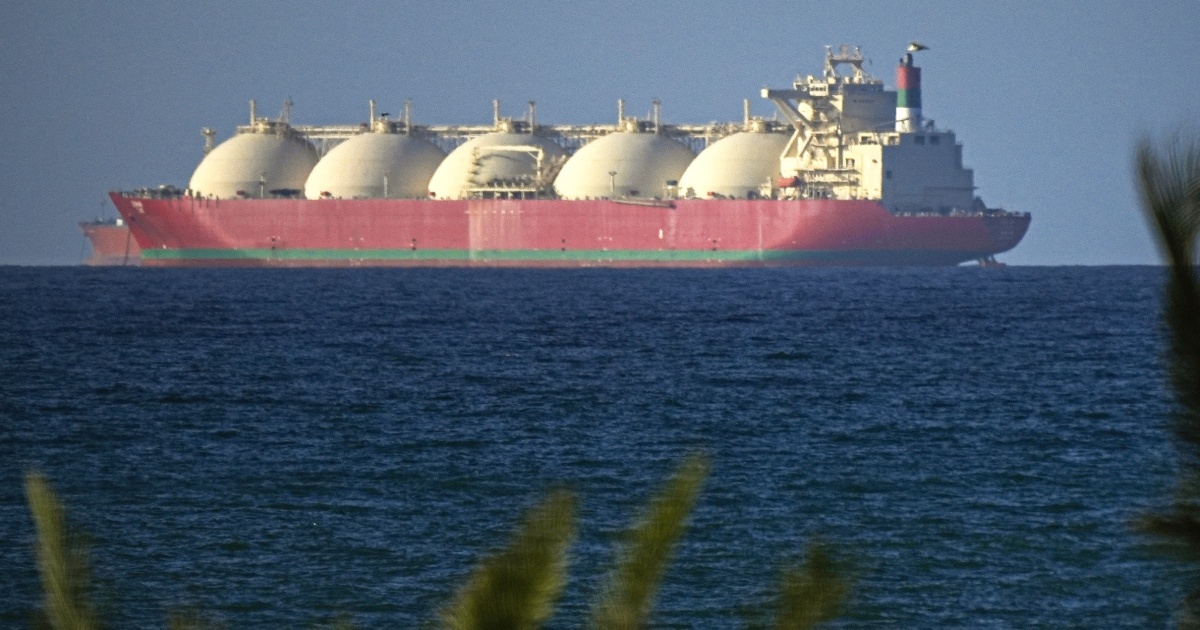
The global energy market remains on edge as the Strait of Hormuz traffic slow despite ceasefire agreements, with only a handful of ships reported to have transited the critical waterway since the deal was announced. While a provisional truce was intended to stabilize one of the world’s most vital oil arteries, the actual resumption of commercial shipping has been sluggish, reflecting deep-seated caution among maritime operators.
The current tension follows a volatile period where the U.S. And Iran narrowly avoided a massive escalation. President Donald Trump had previously threatened the total destruction of Iranian civilian infrastructure, claiming “a whole civilization will die tonight” if a deal to open the strait was not reached. The subsequent agreement, mediated by Pakistan, has paused planned attacks but has yet to restore full confidence in the safety of the transit corridor.
As Chief Editor of Business at World Today Journal, I have tracked the intersection of geopolitical instability and market volatility for nearly two decades. The current situation in the Strait of Hormuz is a textbook example of how “conditional” peace often fails to translate immediately into economic normalcy. For global traders and energy policymakers, the slow trickle of ships suggests that the perceived risk of transit still outweighs the immediate incentive to move cargo.
The Terms of the Two-Week Ceasefire
The provisional agreement, announced on Tuesday evening, April 7, 2026, established a two-week conditional ceasefire between the United States and Iran. According to CNBC, the deal was subject to the “COMPLETE, IMMEDIATE, and SAFE OPENING of the Strait of Hormuz.”
The diplomatic breakthrough was largely attributed to the intervention of Pakistan. Prime Minister Shehbaz Sharif and Field Marshal Asim Munir engaged in conversations with President Trump, with Sharif requesting the two-week delay to allow diplomacy to proceed. This intervention occurred less than two hours before a self-imposed 8 p.m. ET deadline on April 7, which would have seen the U.S. Launch attacks on Iranian bridges and power plants, as reported by The Guardian.
From a logistical standpoint, the agreement includes specific operational parameters. Iran’s Foreign Minister, Abbas Araghchi, stated that ships would be permitted to pass through the strait during this interval via coordination with Iran’s Armed Forces, while noting that “technical limitations” would still be considered. A regional official indicated that the plan allows both Oman and Iran to charge fees on ships transiting the strait, which falls within the territorial waters of both nations, according to AP News.
Market Reaction and Economic Implications
The immediate financial response to the ceasefire announcement was dramatic. Oil prices plunged by as much as 16% following the news, while U.S. Stock futures saw a significant spike. This reaction underscores the extreme sensitivity of global energy markets to the status of the Strait of Hormuz, through which a massive portion of the world’s seaborne oil passes.
Yet, the Strait of Hormuz traffic slow despite ceasefire reports suggest that the “paper” peace has not yet convinced shipping companies to resume full operations. The hesitation is likely tied to the “conditional” nature of the truce. Because the ceasefire is only for two weeks, shipping firms face the risk of vessels becoming trapped or targeted if the agreement collapses at the end of the term.
Navigating the Risks of Conditional Diplomacy
The volatility of the current agreement is highlighted by the belligerent tone of the preceding ultimatum. President Trump’s demands on Truth Social—specifically his demand that Iran “Open the Fuckin’ Strait”—created a climate of panic that is not easily erased by a short-term truce. The fact that B-52 bombers were reportedly en route to Iran just before the agreement was reached emphasizes how close the region came to a wider conflict.

For the business community, the primary concern is the lack of a long-term guarantee. A two-week window is sufficient for a diplomatic “breather,” but it is insufficient for the insurance markets to lower premiums for tankers entering the Gulf. Until there is a more permanent resolution or a longer-term security guarantee, the volume of traffic is expected to remain well below pre-war levels.
Key Stakeholders and Their Roles
- United States: Under President Trump, the U.S. Has used the threat of infrastructure destruction to force the reopening of the strait.
- Iran: Agreed to the reopening via coordination with its Armed Forces, while maintaining control over “technical limitations.”
- Pakistan: Acted as the primary mediator, with Prime Minister Shehbaz Sharif successfully negotiating the two-week window to prevent immediate military escalation.
- Oman: Shares territorial waters in the strait and is permitted to charge transit fees under the current plan.
The impact of this slow recovery in traffic is felt most acutely by energy-importing nations and global logistics firms. The “double sided CEASEFIRE,” as described by President Trump, provides a temporary reprieve, but the economic friction caused by the slow return of shipping continues to preserve energy volatility high.
What Happens Next
The global community is now watching the clock. The ceasefire is a provisional measure designed to “allow diplomacy to run its course.” The critical checkpoint will be the expiration of this two-week window, at which point the U.S. And Iran must either reach a more permanent agreement or face a return to the brink of conflict.
Market analysts and maritime experts will be monitoring the number of vessels transiting the strait daily to gauge whether the “handful of ships” increases or remains stagnant. An increase in traffic would signal growing confidence in the ceasefire’s stability, while continued low volumes would suggest that the industry views the truce as a fragile facade.
We will continue to monitor the situation as the deadline approaches. Please share your thoughts on how this geopolitical instability is affecting your business operations in the comments below.