
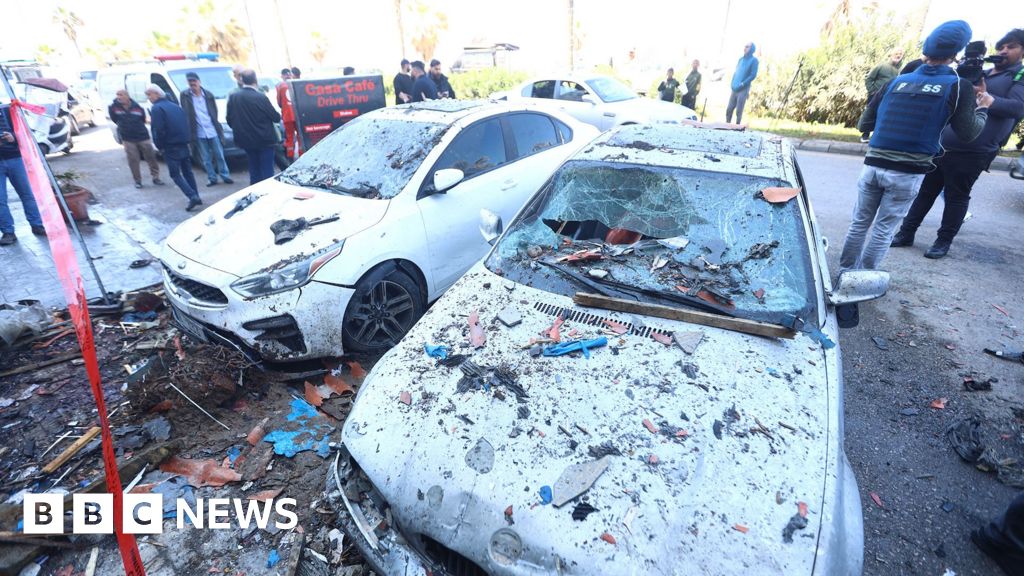
Hours after a diplomatic breakthrough brought a tentative pause to hostilities between the United States and Iran, the Middle East remains gripped by violence. In a massive escalation, Israel has launched a large wave of air strikes across Lebanon, striking targets in the southern suburbs of Beirut, southern Lebanon, and the eastern Bekaa Valley.
The operation, described by the Israeli military as the largest wave of air strikes in the current conflict, targeted more than 100 Hezbollah command centres and military sites within a narrow 10-minute window. The strikes come at a moment of extreme regional volatility, occurring shortly after the announcement of a two-week ceasefire between the U.S. And Iran following nearly 40 days of intense fighting according to UN News.
The timing of the attacks underscores a critical divide in the current diplomatic landscape. While mediators, including Pakistan, had suggested the US-Iran deal might extend to other regional conflicts, the office of Israeli Prime Minister Benjamin Netanyahu explicitly denied that the ceasefire covered the hostilities in Lebanon as reported by the BBC.
Massive Scale of Strikes and Immediate Impact
The speed and scale of the Israeli military operation have left Lebanese infrastructure and communities devastated. Reports from the ground indicate that hospitals are currently overwhelmed as rescue workers struggle to locate people believed to be trapped under the rubble of collapsed buildings. The strikes focused heavily on areas where Hezbollah holds significant influence, specifically the southern suburbs of Beirut and the Bekaa Valley.

The human toll of the broader conflict has reached staggering levels. More than 1,500 people have been killed across Lebanon, a figure that includes 130 children per BBC reporting. The displacement crisis is equally severe, with over 1.2 million people—approximately one in five of the Lebanese population—forced to flee their homes. These displaced persons are primarily from Shia Muslim communities in the south, the eastern Bekaa Valley, and Beirut’s southern suburbs.
Strategic Objectives and the ‘Security Buffer Zone’
Israeli authorities have stated that the primary goal of these operations is the destruction of Hezbollah’s infrastructure and the removal of its fighters from border regions. Central to this strategy is the creation of what Israel calls a “security buffer zone.” By destroying military sites and pushing fighters back, Israel aims to prevent further incursions and attacks from Lebanese soil.
Yet, this strategy has raised significant international and local concerns. There are growing fears that these border areas may remain under Israeli occupation even after the war ends, potentially preventing hundreds of thousands of displaced residents from ever returning to their villages.
The Geopolitical Divide: US-Iran Truce vs. Lebanese Conflict
The contrast between the ceasefire in the Gulf and the escalation in Lebanon highlights the complex layers of the current Middle East crisis. The two-week ceasefire between the U.S. And Iran was designed to offer a potential pause in fighting and prevent further damage to critical infrastructure after 40 days of hostilities via UN News. This move was welcomed by the UN Secretary-General as a step toward broader peace, though the strikes in Lebanon have rendered that peace fragile.
The diplomatic friction is further complicated by the role of mediators. Pakistan, which helped facilitate the US-Iran truce, had asserted that the deal covered the conflict in Lebanon. This assertion was flatly rejected by the Israeli Prime Minister’s office, signaling that Israel views its campaign against Hezbollah as a separate military necessity regardless of the status of U.S.-Iran relations.
Economic and Regional Ripples
Despite the continued violence in Lebanon, the announcement of the U.S.-Iran pause had an immediate effect on global markets. Oil prices saw a decline following the announcement by Donald Trump regarding the pause in attacks on Iran, with Brent crude trading at just below $95 a barrel according to Al Jazeera.
This economic dip reflects the market’s sensitivity to the risk of a full-scale regional war, particularly regarding the transit of oil through the Strait of Hormuz. While the truce provides some relief for energy markets, the continued strikes in Lebanon suggest that the risk of wider escalation remains high.
| Metric | Verified Figure | Primary Affected Areas |
|---|---|---|
| Total Deaths | 1,500+ (including 130 children) | Nationwide |
| Displaced Persons | 1.2 Million+ | South Lebanon, Bekaa Valley, Beirut suburbs |
| Military Targets | 100+ Hezbollah sites | Southern Beirut, South Lebanon, Bekaa Valley |
What Happens Next
The international community now watches to see if the two-week US-Iran ceasefire can hold and whether it can eventually be expanded to include the conflict in Lebanon. For the residents of Lebanon, the immediate priority remains the humanitarian crisis, as hospitals struggle to cope with the casualties from the most recent wave of air strikes.
The next critical checkpoint will be the progress of the two-week ceasefire period between the United States and Iran to determine if a broader regional peace is possible.
We invite our readers to share their perspectives on the regional stability of the Middle East in the comments below. Please share this report to keep others informed on these developing events.