the Invisible Frontlines: Gender, Dispossession, and Resilience in Sudan & GazaS Conflicts
The brutal realities of modern conflict disproportionately impact women, not simply as collateral damage, but as targets of specific vulnerabilities exacerbated by pre-existing systemic inequalities. From Sudan to Gaza, the stories emerging from these war zones reveal a harrowing pattern: women facing unique challenges to access, safety, and even basic dignity, while simultaneously demonstrating remarkable resilience and forging new forms of political action in the face of unimaginable hardship. This isn’t merely a humanitarian crisis; it’s a deeply gendered one, demanding a nuanced understanding of power dynamics and a shift in how we approach conflict resolution and aid.
The Weight of Dispossession: Barriers to Access and Exit
Historically, women globally have been systematically dispossessed – financially, legally, and economically. This pre-existing vulnerability is dramatically amplified during conflict. As witnessed in Sudan following the outbreak of war, many women found themselves trapped, unable to flee despite the escalating violence.This wasn’t due to a lack of desire for safety,but a lack of agency. Male guardians often withheld permission for departure, leveraging patriarchal control, while others simply lacked the financial means to navigate the logistical and financial hurdles of evacuation.
This inability to exit is inextricably linked to limited access. In Sudan, insecurity severely restricts women’s mobility, hindering their ability to secure essential resources like food from markets, access vital medical care, or even escape active conflict zones. The everyday struggle for survival is compounded by the lack of safe spaces and basic amenities. A particularly poignant example highlights the indignity and danger faced by women managing menstruation in displacement camps, where scarce water resources and exposure to the male gaze compromise their health and safety. These aren’t isolated incidents; similar challenges are being reported from Gaza, underscoring the universality of these gendered hardships in conflict.
Beyond victimhood: The Politics of Care and Collective Action
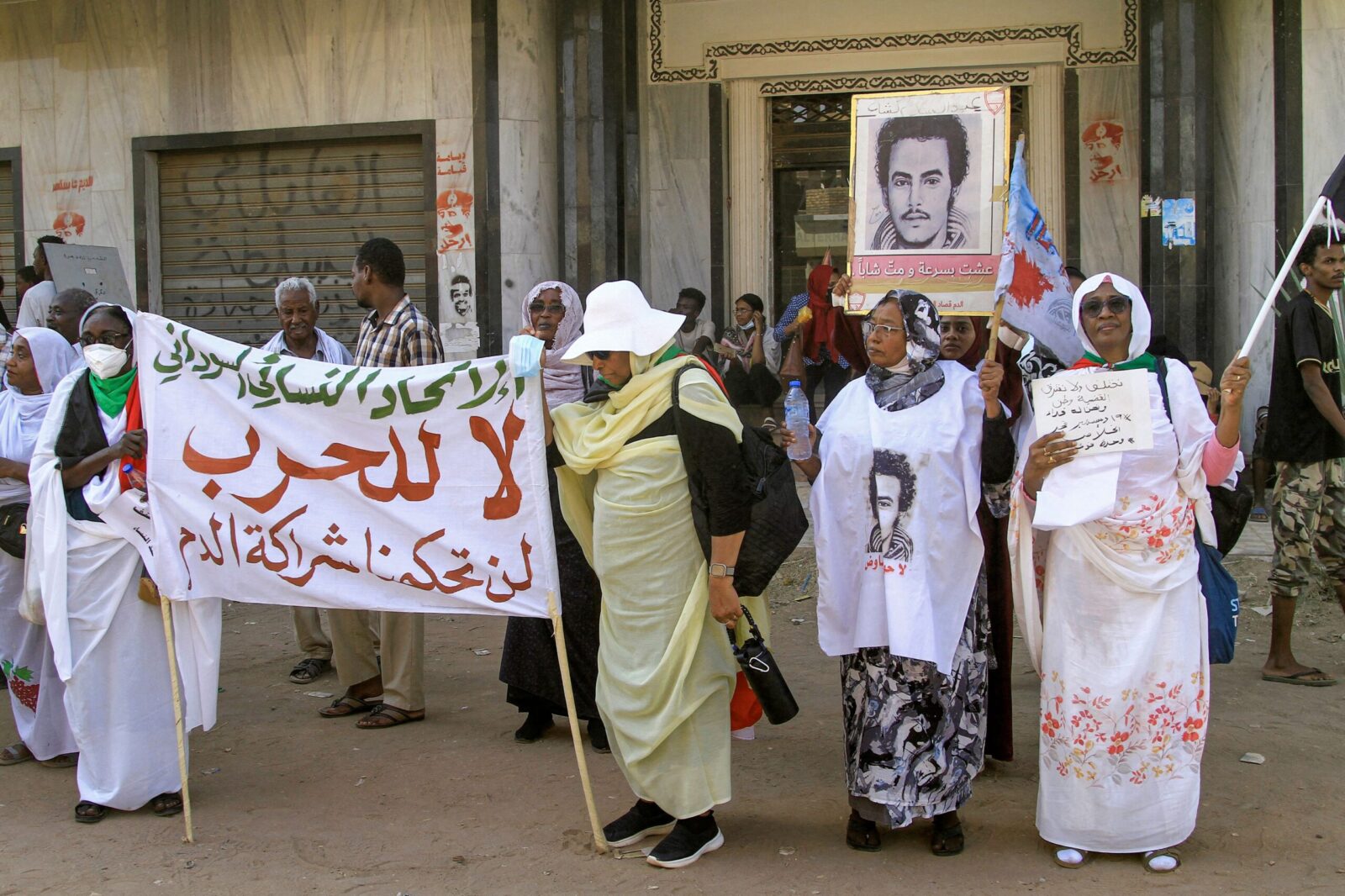
While the violence and deprivation are undeniable, framing women solely as victims overlooks their agency and the powerful forms of resistance and support they are building. Recent research, such as Nada Ali’s work on Khartoum’s women-led street vendor collectives (published by MERIP), demonstrates how women are actively mobilizing a “politics of care” through their networks. these collectives not only address immediate needs but also challenge existing power structures and, crucially, resist externally imposed control over resources.
This grassroots organizing highlights a critical point: meaningful change often originates outside the formal structures of the state and international aid organizations. The resilience of Sudanese women isn’t simply about surviving; it’s about creating alternative systems of support and challenging the dominant narratives surrounding conflict and aid.
Politics in Every Interaction: The Emergent power of Sudanese Women
The political significance of these everyday acts of solidarity is profound. As Hannah Arendt argued, politics isn’t confined to the halls of goverment; it exists in every human interaction. In Sudan, this translates to women supporting each other – sharing resources, communicating fears, and collectively strategizing for survival - in neighborhoods, displacement camps, and on the streets. These interactions, inherently gendered, represent a powerful form of political action.
This isn’t about grand declarations or formal political platforms; it’s about the quiet, consistent work of building community and mutual aid in the face of overwhelming adversity. The simple act of women coming together, sharing their experiences, and offering support is a defiant act of resistance, a reclaiming of agency in a context designed to strip it away.
Looking Ahead: Charting a Future Rooted in Women’s Leadership
The long-term implications of this emergent political landscape are significant.While the future of sudan remains uncertain, the strength and resourcefulness of its women offer a glimmer of hope. Understanding and supporting these grassroots initiatives is crucial for building a enduring peace.
Though, this requires a fundamental shift in perspective. We must move beyond a focus solely on state-level negotiations and recognize the vital role women play in shaping the future of their communities. This means amplifying their voices, investing in their leadership, and acknowledging the political power inherent in their everyday acts of care and resistance.
The conflicts in Sudan and Gaza are stark reminders that war is never gender-neutral. Addressing the unique vulnerabilities faced by women, while simultaneously recognizing their agency and leadership, is not just a moral imperative - it’s essential for building a just and lasting peace.
Further Reading:
* Amnesty International:[https://www.amnesty.org/en/latest/news/2025/04/sudan-rapid-support-forces-