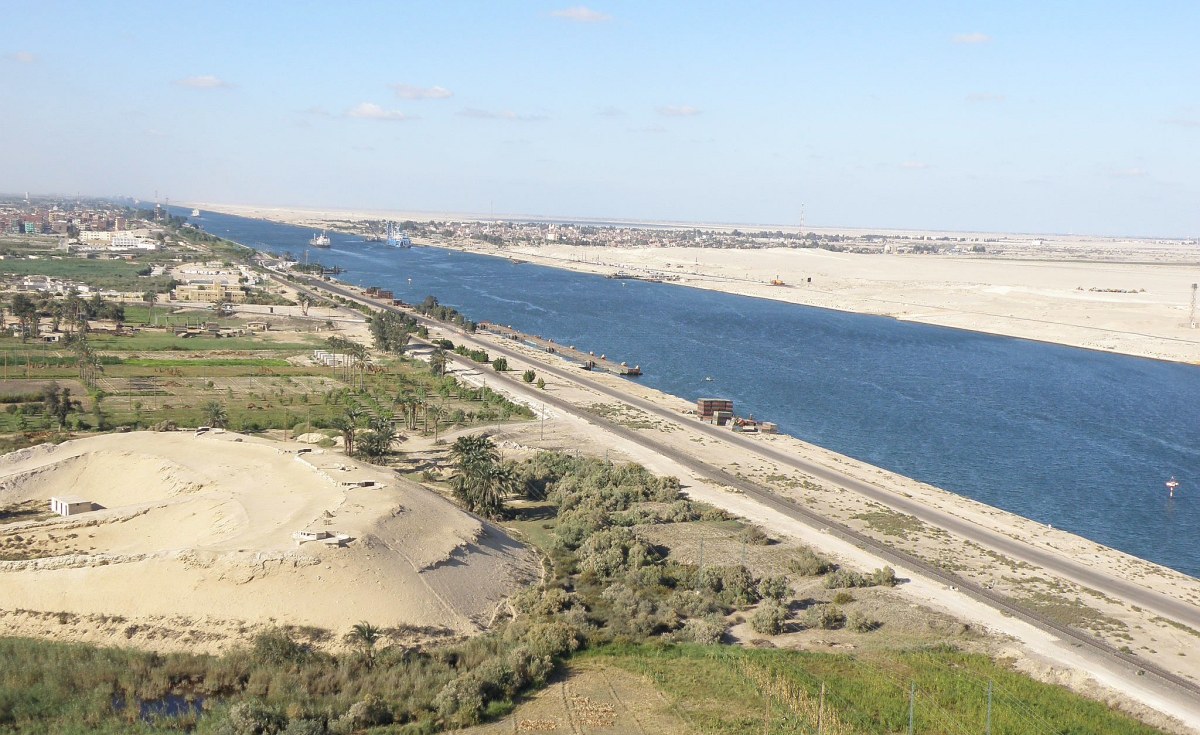
The Suez Canal Crisis: Navigating Red Sea Disruptions and Economic Impact
The Suez Canal, a cornerstone of global trade, is currently facing a notable crisis. Ongoing Houthi attacks in the Red Sea have dramatically disrupted maritime traffic, leading to ample economic losses for Egypt and impacting global supply chains. This article provides a complete overview of the situation,examining the causes,consequences,and potential solutions to this critical challenge. We’ll delve into the specifics of the disruptions, the financial fallout, and the future outlook for this vital waterway.
understanding the Red Sea Disruptions
Did You know? The Suez Canal connects the Red Sea and the Mediterranean Sea, providing the shortest maritime route between Europe and Asia – saving ships approximately 7,000 nautical miles compared to going around the Cape of Good Hope.
The current crisis stems from attacks on commercial vessels in the red Sea and Bab al-Mandeb Strait by Houthi forces, a Yemeni rebel group.These attacks, beginning in late 2023, are linked to the ongoing conflict in Gaza and aim to disrupt shipping perceived as supporting Israel. As a direct consequence, many shipping companies are opting for longer, more expensive routes around the Cape of Good Hope in South Africa, adding significant time and cost to voyages.Before the escalation, the Suez Canal typically saw 70-80 vessels transiting daily. As of early 2025, this number has plummeted to just 30-35 ships per day, according to Admiral Osama rabie, Chairman of the Suez Canal Authority (SCA).This represents a more then 50% decrease in traffic, highlighting the severity of the situation. The impact isn’t limited to volume; the types of vessels diverting are also significant, impacting the flow of everything from consumer goods to crucial energy resources.
The Economic Fallout: A Billion-Dollar Loss
The disruption to traffic has translated into a substantial economic blow for Egypt. Suez Canal revenues experienced a staggering 61% decline in 2024,falling to $3.991 billion from $10.25 billion in 2023. This represents a loss of over $6.25 billion in revenue in a single year.
pro Tip: For businesses reliant on goods transported through the Suez Canal, diversifying supply chains and exploring option transportation methods (like rail freight) are crucial mitigation strategies.
President Abdel Fattah El-Sisi recently announced that Egypt is currently losing approximately $800 million per month in Suez Canal revenues. This ongoing loss is placing significant strain on the Egyptian economy, impacting it’s foreign exchange reserves and perhaps hindering its growth projects. The ripple effects extend beyond Egypt, impacting global trade costs and potentially contributing to inflationary pressures.
Here’s a rapid comparison of the revenue impact:
| Year | Revenue (Billions USD) | Change |
|---|---|---|
| 2023 | $10.25 | – |
| 2024 | $3.991 | -61% |
Calls for Action and Potential Solutions
Admiral Rabie has urged insurance companies to reassess the elevated premiums being charged for vessels transiting the Red Sea. These increased costs further discourage shipping companies from using the Canal, exacerbating the problem. He also emphasized the need for reassuring messages to global shipping lines to encourage a return to normal traffic patterns.
Several potential solutions are being explored:
Enhanced Security: Increased naval presence and coordinated international efforts to protect vessels in the Red Sea are crucial. Operation Prosperity Guardian, led by the United States, aims to provide a multi-national security presence, but its effectiveness remains a subject of debate.
Diplomatic Efforts: Resolving the underlying political tensions driving the Houthi attacks is paramount. International diplomatic initiatives aimed at de-escalation and a ceasefire in Yemen are essential.
Alternative Routes: While the Cape of Good Hope route is currently the primary alternative,exploring and investing in other potential routes,such as the Northern Sea Route (though limited by ice conditions),could offer long-term diversification.
Canal Infrastructure Investment: Continued investment in the Suez Canal’s infrastructure