
Pakistan Sugar Imports: A Deep Dive into the 2025 TCP Tender & Global Market Dynamics
the global sugar market is a complex interplay of agricultural yields, geopolitical factors, and domestic demand. recent activity, specifically the international tender issued by Pakistan’s Trading Corporation of Pakistan (TCP) to procure 100,000 tonnes of sugar, provides a interesting snapshot of current market conditions. As of October 7, 2025, initial assessments indicate a lowest bid of $533 per tonne, cost and freight (C&F) included. This article provides an in-depth analysis of this tender, the broader context of Pakistan’s sugar import needs, and the forces shaping international sugar prices. We’ll explore the nuances of sugar grading, the role of major trading houses, and potential implications for both Pakistan and the global market.
Understanding the Pakistan Sugar Market & Import Drivers
Pakistan’s sugar industry is heavily influenced by its sugarcane production. Fluctuations in rainfall, pest infestations, and agricultural practices can dramatically impact yields. When domestic production falls short of demand – estimated at around 5.5 to 6 million tonnes annually – the country turns to imports to ensure sufficient supply for its population and industrial needs. The TCP plays a crucial role in managing these imports, issuing tenders to secure competitive pricing and reliable supply.
The current tender, seeking arrival of all sugar by November 15th, 2025, suggests a proactive approach to securing supplies before potential price increases or logistical bottlenecks during the peak demand season. This timing is critical,as it allows for sufficient stock building ahead of festivals and increased consumption during the winter months. The focus on “small/fine or medium grade sugar” indicates a preference for sugar suitable for direct consumer use, rather than industrial applications.
Tender Details & key Players: ED&F Man and Beyond
The initial assessments of the tender results,reported on October 7th,2025,highlight ED&F man as a leading contender. The trading house submitted the lowest bid of $533/tonne C&F for 29,500 tonnes of small grade sugar, and a slightly higher bid of $549/tonne C&F for an additional 25,000 tonnes of the same grade.
While ED&F Man appears to be in a strong position, the TCP is known to engage in negotiations with multiple bidders before finalizing purchases. Two other trading houses also participated in the tender, suggesting a competitive bidding process.The TCP’s negotiation strategy aims to secure the most favorable terms,possibly driving down prices further. This process can take several days, as the TCP carefully evaluates offers based on price, quality, and delivery schedules.
Sugar Grading: Small, Medium, and Large – What’s the difference?
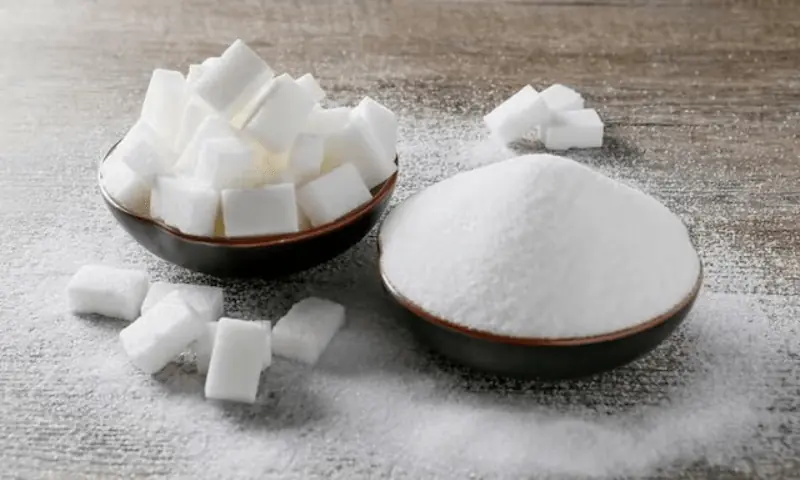
Understanding sugar grading is essential for interpreting tender specifications and market dynamics. Sugar is categorized based on crystal size and color:
* Small/fine Grade: Characterized by very small crystals, this sugar dissolves quickly and is ideal for beverages and direct consumer use.
* Medium Grade: Features slightly larger crystals than small grade, suitable for general household use and some industrial applications.
* Large Grade: possesses the largest crystals, frequently enough used in confectionery and specialized industrial processes.
The TCP’s preference for small/fine or medium grade sugar suggests a focus on meeting immediate consumer demand. The specific grade requirements also influence pricing, with finer grades often commanding a premium due to the more refined processing involved.
Global Sugar Market Trends & Price Drivers (October 2025)
Several factors are currently influencing global sugar prices:
* Brazil’s Production: Brazil remains the world’s largest sugar producer and exporter. Recent weather patterns in key growing regions have impacted yields, contributing to price volatility. (Source: USDA – World Agricultural Production, October





