

The ongoing quest for sustainable and productive agricultural practices took center stage at the XXIV Annual Meeting of Sugar Cane Technicians, held recently in Argentina. Researchers and specialists from the Instituto Nacional de Tecnología Agropecuaria (INTA) presented innovative approaches to address key challenges facing the sugarcane industry, from weed control to genetic improvement and optimized fertilizer use. This annual gathering, a cornerstone of technical and scientific exchange within the sugar-alcohol sector, brings together professionals dedicated to enhancing both the productivity and environmental responsibility of sugarcane cultivation.
The meeting, organized by the Sociedad Argentina de Técnicos de la Caña de Azúcar (SATCA), provides a crucial platform for disseminating knowledge and fostering collaboration. Founded in 1982, SATCA plays a vital role in strengthening innovation and sustainability within Argentina’s agroindustry, particularly in the Northwest region (NOA). The INTA’s contributions this year focused on practical solutions tailored to the specific needs of sugarcane producers in the region, reflecting a commitment to applied research and addressing real-world agricultural problems. The event underscores the importance of continuous improvement in a sector vital to Argentina’s agricultural economy.
Addressing the Threat of Rottboellia cochinchinensis
A significant portion of the INTA Famaillá’s research presented at the meeting centered on the control of Rottboellia cochinchinensis, an increasingly problematic weed in Tucumán’s sugarcane fields. This invasive species poses a growing threat to sugarcane yields, necessitating effective management strategies. Researchers evaluated a range of pre- and post-emergent herbicides currently available in Argentina, conducting trials under local conditions to determine optimal application methods. The goal is to provide sugarcane farmers with data-driven recommendations for herbicide use, maximizing efficacy although minimizing environmental impact. Effective weed management is crucial for maintaining sugarcane productivity, and this research directly addresses a pressing concern for growers in the region.
Harnessing Mutagenesis for Genetic Improvement
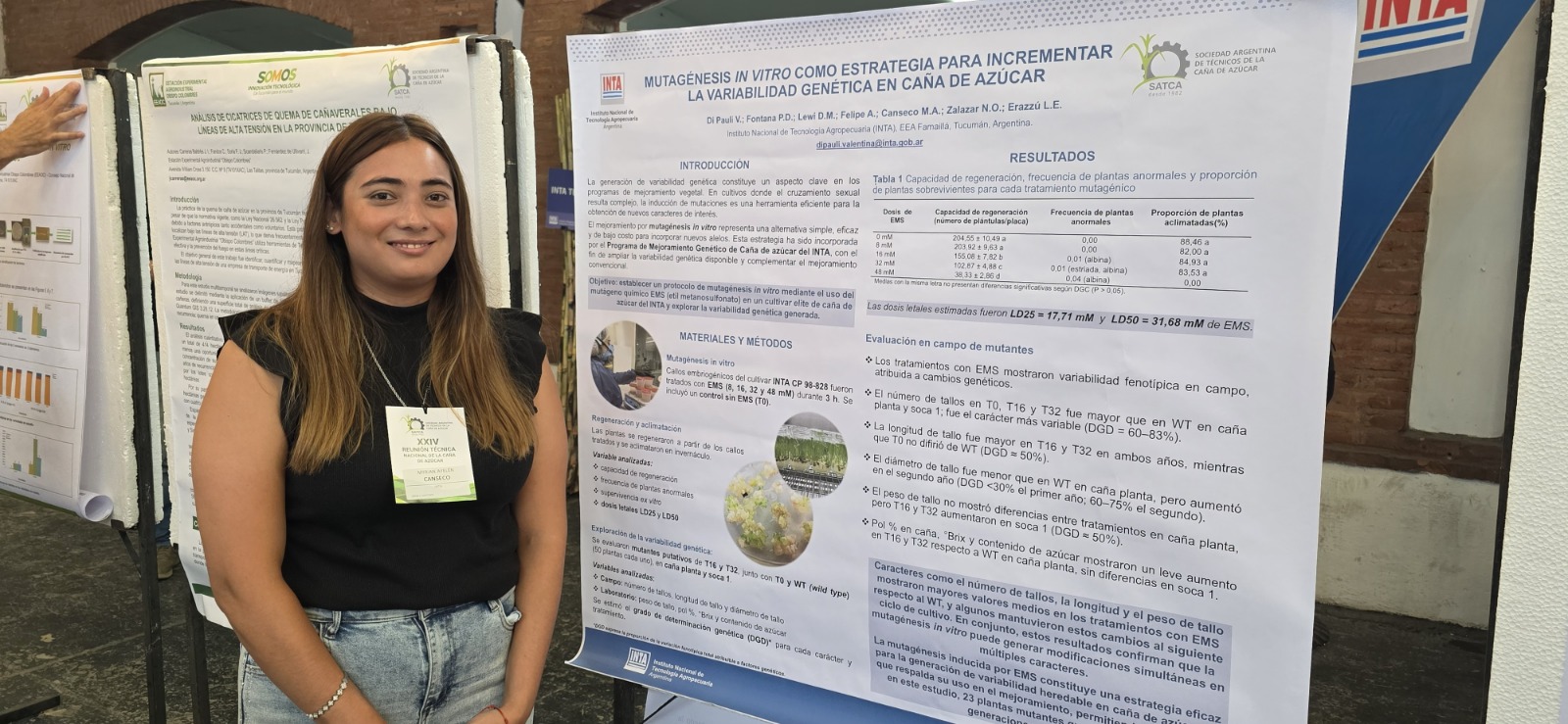
Beyond weed control, INTA researchers are exploring innovative approaches to enhance the genetic potential of sugarcane itself. A study presented in poster format detailed the use of in vitro mutagenesis – a technique involving the application of mutagens to plant cells grown in a laboratory setting – to increase genetic variability. By exposing sugarcane cultures to ethyl methanesulfonate (EMS), a chemical mutagen, researchers were able to generate plants with improved agronomic characteristics. This method offers a promising avenue for accelerating the sugarcane breeding process and developing varieties with enhanced traits, such as increased yield, disease resistance, or improved sugar content. Mutagenesis is a well-established technique in plant breeding, and its application to sugarcane holds significant potential for improving crop performance.
The Promise of “Smart Cane” and Optimized Fertilization
The concept of “smart cane” – sugarcane varieties with enhanced nutrient utilization efficiency – was another key focus of the INTA’s presentations. Researchers are investigating the potential for biological inhibition of nitrification in different sugarcane varieties. Nitrification is the process by which nitrogen in the soil is converted into forms that can be lost through leaching or denitrification, reducing its availability to plants. By identifying varieties with a natural ability to inhibit nitrification, it may be possible to reduce nitrogen fertilizer requirements, minimize environmental pollution, and improve overall sugarcane productivity. This approach aligns with the growing emphasis on sustainable agricultural practices and reducing the environmental footprint of crop production.
Complementing this research is work on variable rate nitrogen application, a precision agriculture technique that involves tailoring fertilizer application rates to the specific needs of different areas within a field. This approach integrates soil analysis, geospatial data, and site-specific management practices to optimize nutrient use efficiency. By applying nitrogen only where and when it is needed, farmers can reduce fertilizer costs, minimize environmental impacts, and maximize sugarcane yields. Precision agriculture technologies are becoming increasingly important for sustainable crop production, and the INTA’s research is helping to adapt these technologies to the specific conditions of Argentina’s sugarcane growing regions.
Regional Insights from INTA Yuto
The INTA Yuto, another key research center, contributed valuable insights into the relationship between soil variability and sugarcane performance in the provinces of Salta and Jujuy. Their study demonstrated how differences in soil properties influence sugarcane yields, highlighting the importance of understanding soil characteristics for effective crop management. Researchers utilized satellite imagery and vegetation indices to identify productive environments within fields, providing a basis for site-specific management strategies. This approach allows farmers to tailor their practices to the unique conditions of each area, maximizing yields and minimizing resource waste. The use of remote sensing technologies is becoming increasingly common in agriculture, providing valuable information for informed decision-making.
The integration of these technologies and research findings underscores a broader trend towards data-driven agriculture, where informed decisions are based on a comprehensive understanding of soil, climate, and crop characteristics. This approach not only enhances productivity but also promotes environmental sustainability by minimizing the use of inputs and reducing the risk of pollution.
The Role of SATCA in Fostering Innovation
The Sociedad Argentina de Técnicos de la Caña de Azúcar (SATCA) serves as a vital hub for knowledge exchange and collaboration within the Argentine sugarcane industry. Established in 1982, the organization brings together specialists from across the sector to share research findings, discuss best practices, and address emerging challenges. Through its annual meetings and other initiatives, SATCA plays a critical role in strengthening innovation and promoting the long-term sustainability of sugarcane production, particularly in the Northwest region of Argentina. The organization’s commitment to technical excellence and collaboration is essential for ensuring the continued success of the Argentine sugarcane industry.
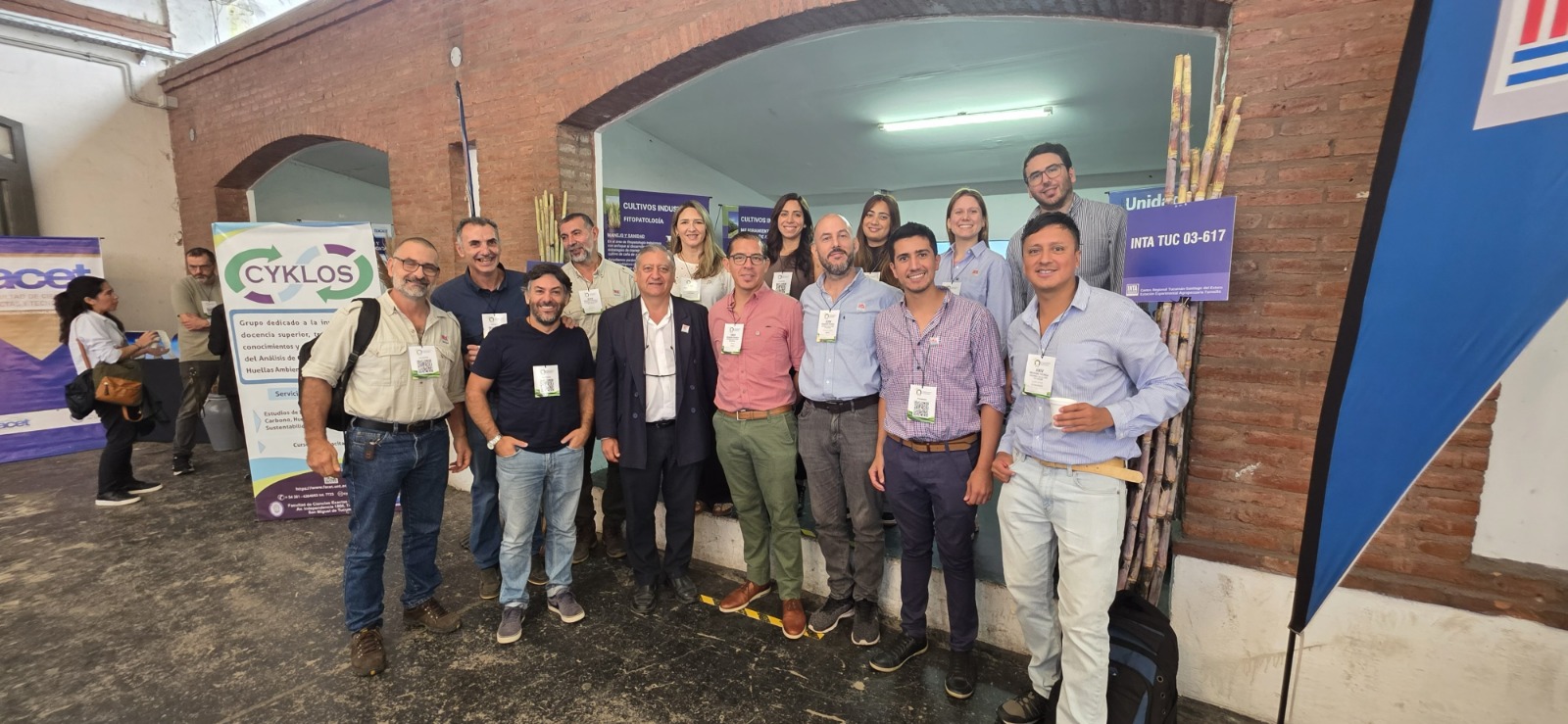
The INTA’s active participation in the XXIV Annual Meeting of Sugar Cane Technicians reaffirms its position as a central player in generating applied knowledge and addressing the current and future challenges of sugarcane production. By translating research findings into practical solutions, the INTA is helping Argentine sugarcane farmers to improve their productivity, enhance their sustainability, and remain competitive in a global market. The ongoing collaboration between the INTA, SATCA, and other stakeholders is essential for ensuring the continued success of this vital agricultural sector.
Looking ahead, the focus will likely remain on refining these innovative approaches and scaling them up for wider adoption. Further research is needed to optimize herbicide application strategies, identify superior sugarcane varieties, and refine precision fertilization techniques. The continued investment in research and development, coupled with strong collaboration between researchers, growers, and industry stakeholders, will be crucial for ensuring the long-term sustainability and profitability of the Argentine sugarcane industry.
The next major event for the sector will be the annual SATCA conference scheduled for July 2025, where further research findings and best practices will be presented. Stay informed about the latest developments in sugarcane technology and sustainable agriculture by visiting the SATCA website.
What are your thoughts on the role of technology in sustainable agriculture? Share your comments below, and let’s continue the conversation!