
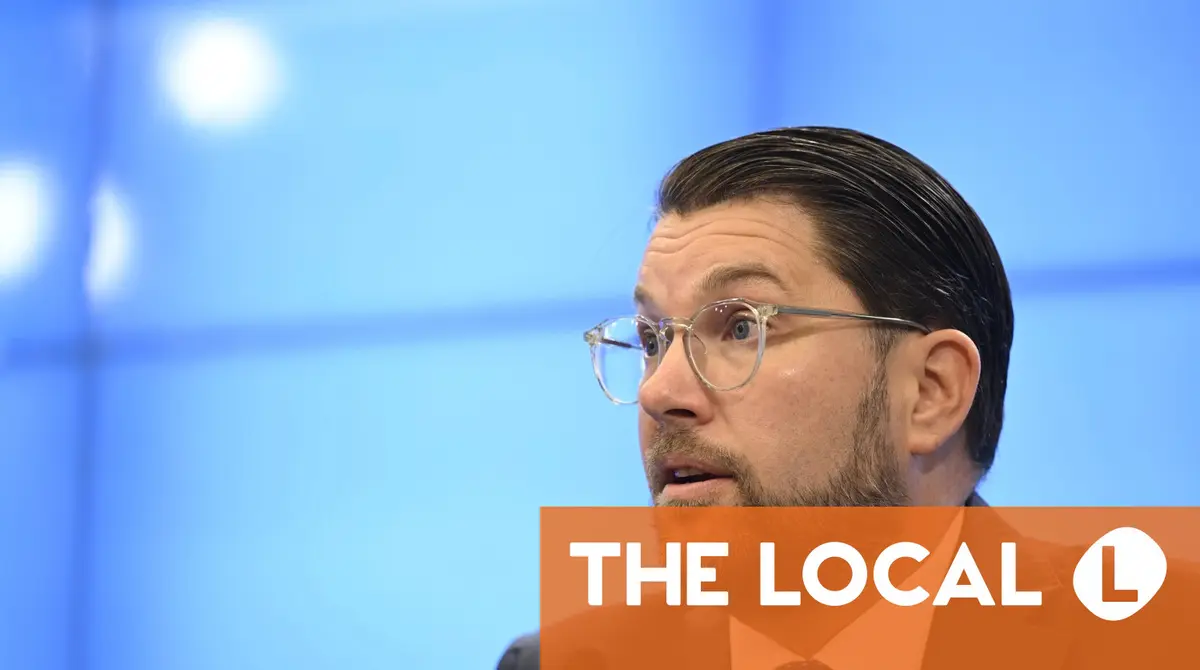
Sweden Democrats Push for Referendum on Constitutional Amendment Rules
Sweden’s political landscape is once again focused on potential changes to the nation’s constitution, specifically the rules governing future amendments. The Sweden Democrats are spearheading an effort to hold a national referendum on a proposal that would substantially tighten those rules, a move that has sparked debate across the political spectrum.
Understanding the Current Constitutional Amendment process
Currently, altering Sweden’s constitution requires a two-stage parliamentary process. First,a proposal needs a supermajority – at least two-thirds of parliament – to pass. If triumphant, the proposal is then put to a second vote after a general election.
This second vote, crucially, only requires a simple majority (50% plus one). This distinction is at the heart of the current controversy.
The Proposed Changes and Previous Vote
A proposal to require a two-thirds majority in both votes was initially presented in 2023. It passed its first parliamentary hurdle with the support of all parties except the Sweden Democrats.
A second vote is scheduled after the 2026 election. If approved then, all future constitutional changes would need a two-thirds majority in both stages of the parliamentary process.
Why the Sweden Democrats Oppose the Changes
The Sweden Democrats argue that the proposed changes would effectively grant the Social Democrats a veto power over future constitutional amendments. This is due to the Social Democrats’ consistent parliamentary strength,typically holding at least 30% of seats.
Combined with the support of even one smaller party, they could block any proposed amendment, regardless of broader parliamentary support. Party leader Jimmie Åkesson believes the Swedish people deserve a direct say in such a basic aspect of their democratic system.
Concerns Extend Beyond Democratic Procedures
The Sweden democrats’ concerns aren’t limited to changes impacting the democratic process itself. The constitutional amendment process also governs changes related to significant issues like citizenship laws.
They fear a situation where a parliamentary majority could support a change – such as revoking citizenship for certain individuals – but be blocked by a relatively small minority of MPs.
The Path to a Referendum: A Steep Climb
Initiating a referendum requires the support of at least one-third of parliament – 117 MPs. The Sweden Democrats currently hold 72 seats, meaning they need to secure the backing of an additional 45 MPs from other parties.
Åkesson acknowledges the challenge, stating he wants to offer parties within the right-wing bloc “another chance” to consider supporting a referendum. However, early signals suggest this will be tough.
Right-Wing Bloc Divisions
Justice Minister Gunnar Strömmar, representing the Moderate Party, has already indicated his party’s disinterest in supporting a referendum. The Moderates are the only party within the right-wing bloc possessing enough MPs to help the Sweden Democrats reach the 117-seat threshold.
Strömmar emphasizes the importance of a balanced system – one that makes constitutional changes intentional but doesn’t create undue obstacles to addressing vital issues voters can then weigh in on during elections.
Implications and Future outlook
This debate highlights the ongoing tension between streamlining legislative processes and ensuring broad consensus on fundamental constitutional matters.The sweden Democrats’ push for a referendum underscores their commitment to direct democracy and their concerns about potential imbalances of power within the Swedish political system.
Whether they can garner enough support to trigger a national vote remains to be seen, but the issue is certain to remain a prominent topic of discussion leading up to the 2026 election and beyond.


![AI Video Production: Human Creativity Remains Key | [Studio Name] CEO Insights](https://i0.wp.com/newsimg.koreatimes.co.kr/2025/12/17/5a5f567c-7c59-4363-858f-59e29e9b7b47.png?resize=330%2C220&ssl=1 "AI Video Production: Human Creativity Remains Key | [Studio Name] CEO Insights")


