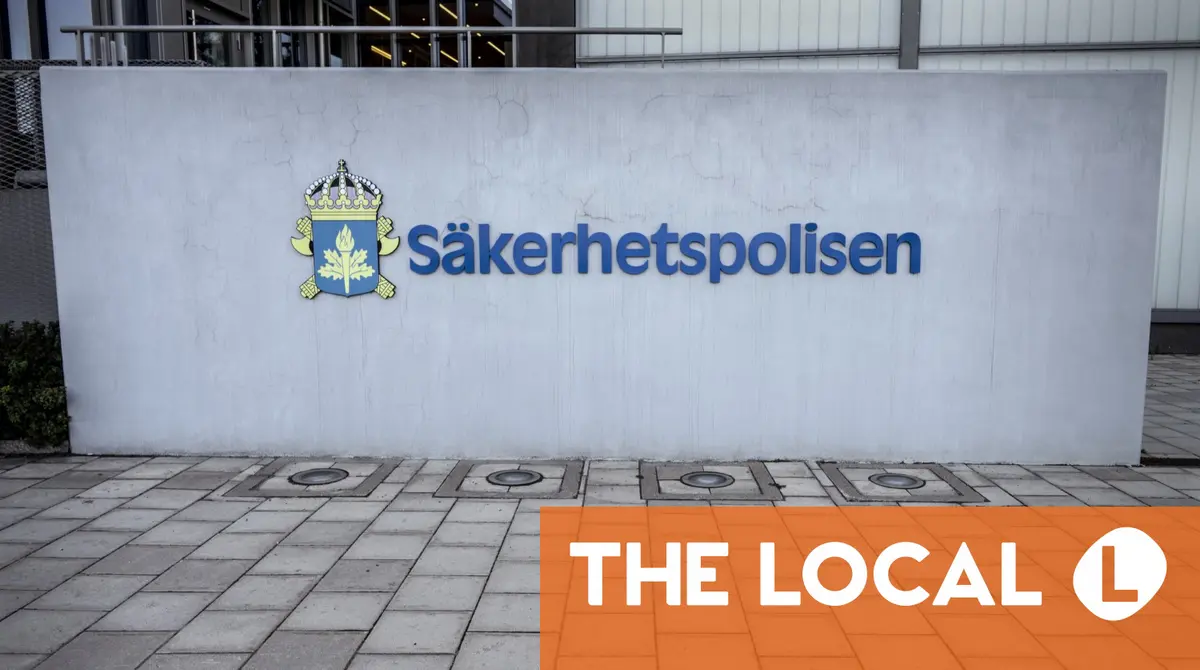
A man in his 30s was taken into custody in Stockholm,Sweden,on Sunday amidst allegations of espionage. This developing situation has sparked considerable interest, and here’s a breakdown of the key details as they emerge.
The Arrest and Initial Investigation
Authorities arrested the individual, whose name remains undisclosed, on suspicion of engaging in espionage activities. Initially, prosecutors indicated the alleged offenses occurred between January 1st, 2022, and January 4th, 2026. However, a subsequent court hearing on Wednesday narrowed the timeframe to between January 2025 and January 2026, leaving the reason for this adjustment currently unclear.
The decision to remand the suspect in custody – a legal process known as häktad in Sweden - signifies that the court has established “probable cause” to believe a crime with a potential sentence of at least one year in prison was committed. Furthermore, the court must determine a genuine risk of flight, further criminal activity, or obstruction of the investigation to justify continued detention.
Who is the Suspect?
Information released regarding the suspect remains limited. It’s known that he resides in central Sweden and currently serves as the CEO of a recently established cybersecurity firm. Notably, he also has a prior connection to the Swedish Armed Forces, though the specifics of his role and duration of service have not yet been disclosed.
“We can confirm that information,” stated Jonas Beltrame-Linné, head of press for the Armed Forces, to the TT newswire.
crucially, the identity of the nation or entity he is accused of spying for remains confidential.
Prosecutor Per Lindqvist explained to TT on Monday, “We can’t release information on which country or countries, or which surveillance or security agency he is suspected of working on behalf of.”
Advertisement
understanding Swedish Espionage Laws
under Swedish law, espionage is defined as the intentional act of discovering, transmitting, or revealing classified information – particularly defense-related data – to a foreign power. Importantly,the accuracy of the information isn’t a factor; even false or misleading information,if believed to potentially harm Swedish security,can constitute espionage.
Penalties for espionage vary depending on the severity. ‘normal level’ spying carries a maximum sentence of six years imprisonment, while ‘gross espionage’ can result in a sentence ranging from four to eighteen years, or even life imprisonment in certain cases.
If the suspect did not attempt to share the information with a foreign power, the offence is categorized as obehörig befattning med hemlig uppgift, which translates to unauthorized handling of classified information.
Did You Know? Sweden has a long history of neutrality, but in recent years, particularly following Russia’s invasion of Ukraine, the country has substantially increased its focus on national security and counterintelligence efforts.
I’ve found that understanding the legal framework surrounding espionage is crucial for grasping the gravity of these accusations. It’s not simply about sharing secrets; it’s about the potential damage to national security, irrespective of the information’s veracity.
Here’s a fast comparison of potential charges and penalties:
| Offense | Description | Potential Penalty |
|---|---|---|
| Espionage (Normal Level) | Intentional disclosure of classified information to a foreign power. | Up to 6 years imprisonment |
| Gross Espionage | Serious espionage activities with meaningful potential for harm. | 4-18 years imprisonment, or life sentence |
| Unauthorized Handling of Classified Information | Improper handling of classified information without intent to share. | Varies depending on the severity of the breach. |
Pro Tip: