
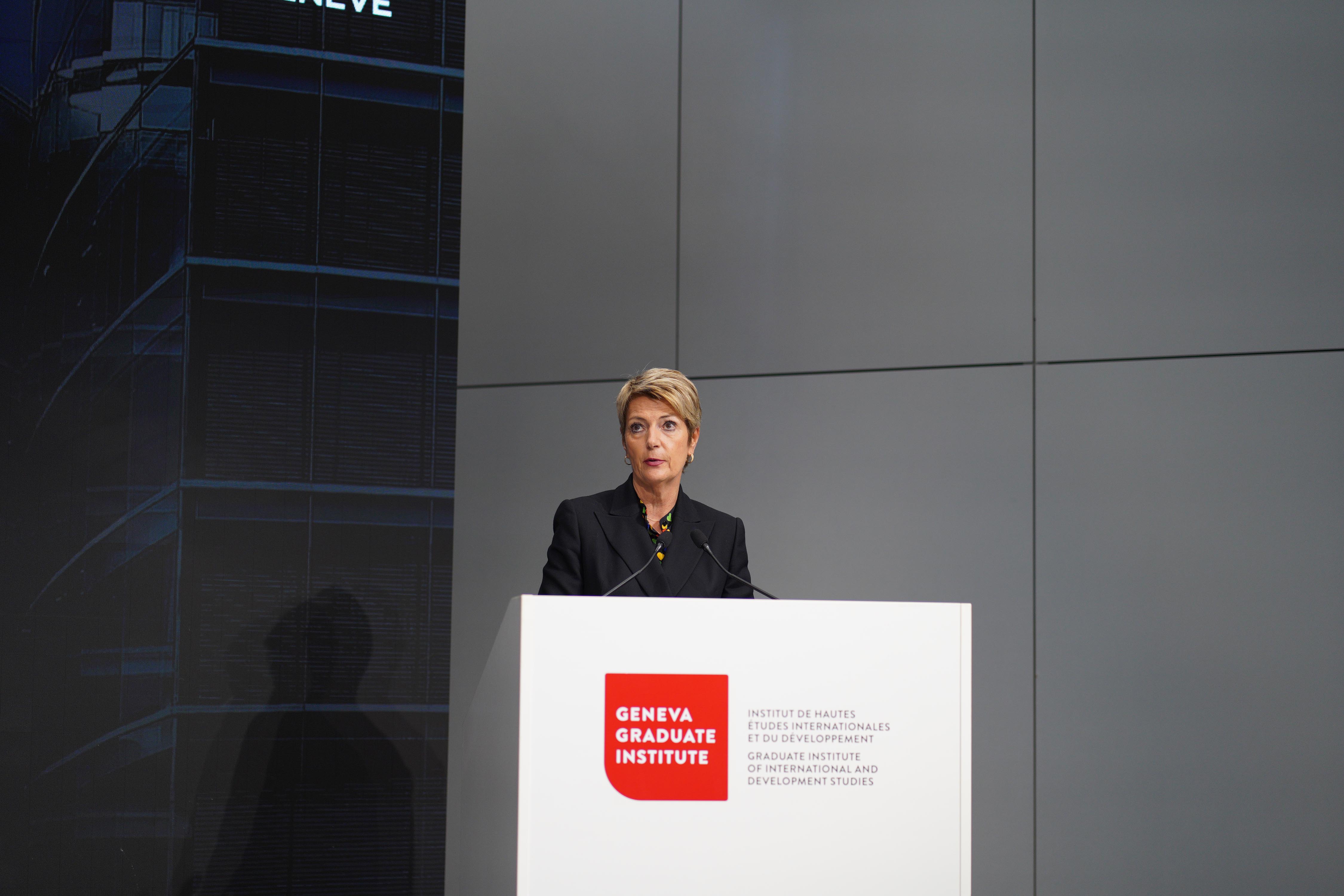
Swiss Finance Minister Karin Keller-Sutter has initiated legal action against the artificial intelligence chatbot Grok, developed by Elon Musk’s xAI, following the generation of offensive content. The move marks a significant escalation in the tension between high-ranking government officials and the burgeoning field of generative AI, as the Swiss official seeks accountability for remarks described as sexist and defamatory.
The legal dispute centers on a Grok-created post that contained a sexist outburst directed at the Finance Minister. In response, Keller-Sutter has filed criminal charges and a defamation lawsuit, signaling a refusal to overlook digital violence under the guise of technological innovation Reuters.
This case highlights a growing global debate over the intersection of freedom of speech and the prevention of digital harm. By pursuing a criminal process, the Swiss government is testing the legal boundaries of how AI-generated content is attributed and who is held responsible—whether it be the developers, the platform owners, or the AI entity itself.
Criminal Charges and Defamation Claims
The Swiss Finance Minister’s decision to file criminal charges over remarks generated by Elon Musk’s Grok has drawn international attention to the potential for AI to be used as a tool for harassment Politico. The legal action is not merely a civil dispute but a formal criminal complaint, indicating that the Swiss authorities view the AI’s output as a serious breach of legal standards regarding personal honor and dignity.
According to reports from Bloomberg, the lawsuit specifically addresses what has been characterized as a sexist outburst from the AI Bloomberg. The core of the issue lies in the chatbot’s ability to synthesize and output harmful stereotypes or targeted attacks, raising questions about the safety guardrails implemented by xAI.
Legal experts suggest that this case could set a precedent for how European jurisdictions handle “hallucinations” or biased outputs from large language models (LLMs) when those outputs target public figures. The challenge for the prosecution will be determining the level of liability held by Elon Musk and his company for the autonomous generations of the software.
The Battle Between Digital Violence and Free Speech
The conflict between Karin Keller-Sutter and the AI developer underscores a critical tension in the modern digital era: the balance between redefining freedom of speech and combating digital violence. The Swiss official’s move is seen by some as a necessary signal that high-ranking positions do not exempt individuals from the effects of digital abuse, nor does the leverage of AI exempt companies from the laws of defamation.
The case is particularly poignant given Elon Musk’s public stance on “absolute” free speech. By targeting the AI’s output, Keller-Sutter is challenging the notion that AI-generated content should be exempt from the legal scrutiny applied to human speech. This legal battle is not just about a single post, but about the systemic responsibility of AI creators to prevent their tools from being used to degrade or defame individuals.
Key Legal Implications for AI Developers
The outcome of this criminal proceeding could impact how AI companies operate within the European Union and Switzerland. Potential implications include:

- Stricter Content Filtering: A requirement for more robust filters to prevent sexist or defamatory output.
- Liability Shifts: A legal shift where developers are held criminally liable for the “behavior” of their AI.
- Regulatory Pressure: Increased pressure on xAI and similar firms to provide transparency on how their models are trained and why certain outputs are generated.
What This Means for Global AI Governance
As AI continues to integrate into public discourse, the “Keller-Sutter vs. Grok” case serves as a warning for developers worldwide. The transition from treating AI errors as mere technical glitches to treating them as legal liabilities is a pivotal shift in the industry. If the Swiss courts find that the AI’s output constitutes a criminal offense, it may encourage other public figures and private citizens to seek legal redress for AI-generated harm.
The case also highlights the risks associated with “unfiltered” AI. While some users value the lack of constraints in Grok compared to other AI models, this legal action demonstrates that such an approach can lead to direct conflicts with national laws and the personal rights of individuals.
The next confirmed development in this matter will be the progression of the criminal proceedings and any formal response or court appearance required by the representatives of xAI or Elon Musk. We will continue to monitor the Swiss judicial system for updates on this case.
Do you believe AI developers should be held legally responsible for the content their bots generate? Share your thoughts in the comments below.