
René Groebli: A Life in Motion and teh Enduring Power of Authentic Vision
René Groebli, a swiss photographer whose career spans seven decades, has consistently pushed the boundaries of the medium. His work, currently showcased at Bildhalle Zurich, isn’t simply a collection of images; it’s a testament to a life dedicated to experimentation, emotional honesty, and a relentless pursuit of artistic expression. Groebli’s journey reflects the evolution of photography itself, from its analog roots to the age of artificial intelligence.
Early innovation: Capturing Movement and Emotion
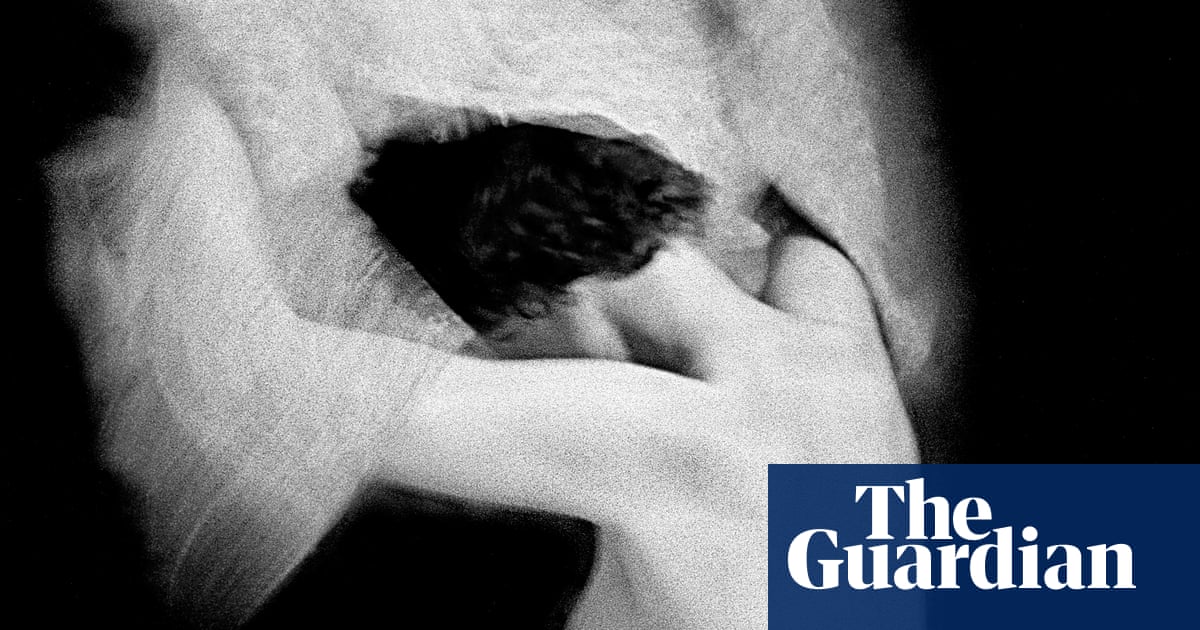
Groebli first gained recognition with The Eye of Love, a series of photographs created in 1951 with his wife, Dürmüller. Initially considered provocative, the series was later celebrated for its intimate portrayal of love and desire. Edward Steichen, a prominent American photographer, championed the work, including it in the groundbreaking 1955 exhibition the Family of Man at The Museum of Modern Art in New York.
Interestingly, Groebli didn’t always prioritize technical perfection. He often intentionally employed motion blur and streaking effects, believing they better conveyed the feeling of a moment. ”In the majority of instances, I intentionally chose the appropriate shutter speed that would provoke blurring or streaking effects,” he explains. This purposeful manipulation demonstrates a core principle of his artistry: prioritizing emotional impact over clinical accuracy.
A Versatile Career: From Photojournalism to Psychedelic color
Following The Eye of Love, Groebli embarked on a diverse career. He worked in photojournalism, advertising, and design, and captured portraits of iconic figures like Charlie Chaplin, Robert Frank, and Walt Disney. During the 1960s, he became a pioneer in psychedelic color photography.
He achieved this vibrant aesthetic through innovative use of filters and selective dye transfer techniques. ”Mere naturalistic colour-photography did not satisfy my desires as an artist for long,” Groebli states, highlighting his constant need to explore new visual languages. This willingness to experiment defines his artistic trajectory.
The Digital age and the Rise of AI
today, Groebli observes the photographic landscape with a seasoned perspective. he acknowledges the democratizing influence of smartphones, noting that photography has become accessible to everyone.Though,this accessibility comes with a caveat. “Smartphones have made photography a general public asset,” he observes, “Hence the world is flooded with myriads of pictures daily.”
He also expresses concern about the increasing prevalence of AI-generated images. Distinguishing between authentic photographs and AI creations will be a critical challenge moving forward. “The main issue is and will be to distinguish photographs from pictures generated by AI,” he warns. This underscores the importance of preserving the human element in image-making.
The Enduring Legacy of Love and Authenticity
Throughout his career, Groebli’s most deeply personal work remains the photographs of his wife, Dürmüller. Taken over 70 years ago in Paris, these images transcend time and place. They capture a profound connection and enduring love.
Dürmüller, a painter herself, was a constant source of inspiration. Groebli describes her as “not only lovely but in all respects an inspiring woman.” The emotional resonance of these photographs stems from their authenticity. As Groebli reflects, “I still see, as I did in the early days of our relationship, her love for me and my artistic work, and my love for her.”
Ultimately, René Groebli’s work reminds us that the power of photography lies not just in technical skill, but in the ability to capture and convey genuine human emotion. His career is a masterclass in artistic exploration,and his images continue to resonate with viewers seeking beauty,honesty,and a glimpse into the human heart.
René Groebli: Movement is at Bildhalle Zurich until 31 January.


