
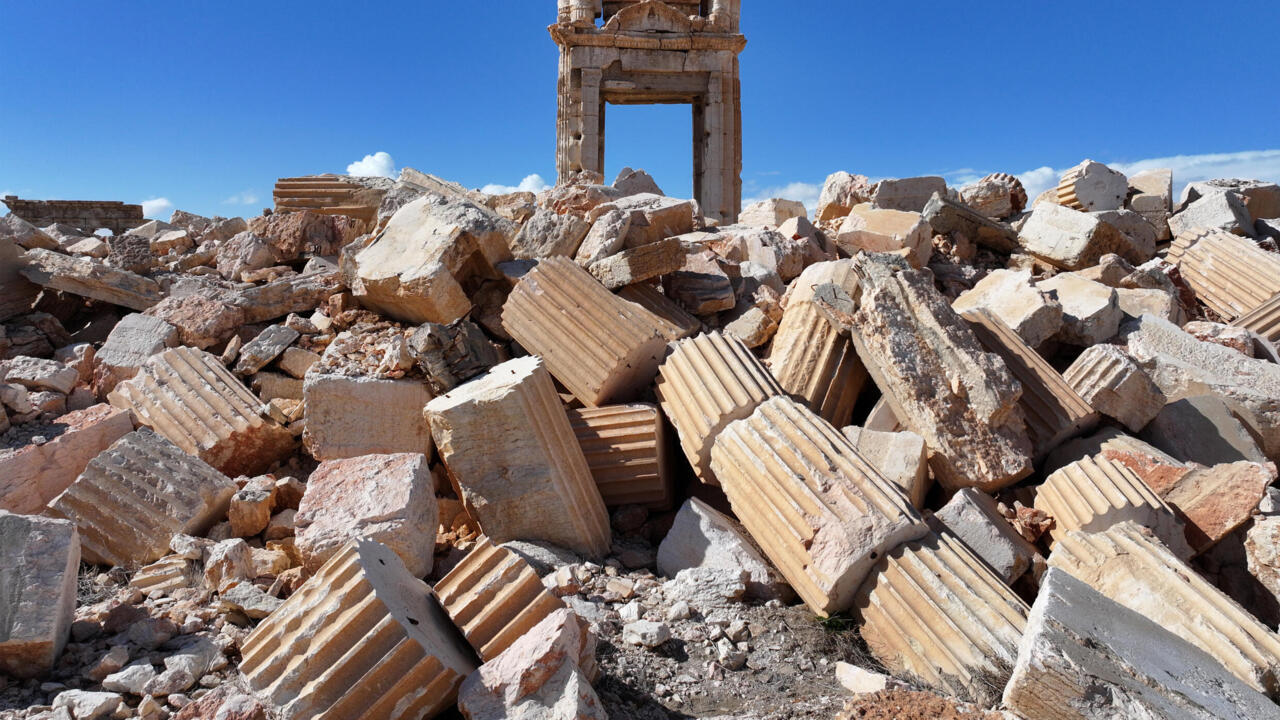
Palmyra Incident: Examining the US-Syria Collaboration & ISIS Threat in the Syrian Desert
Recent reports detail a shooting incident near Palmyra, Syria, involving american and Syrian forces. This event, resulting in casualties and prompting vows of retaliation, underscores the complex and evolving dynamics of the US counter-terrorism strategy in Syria and the persistent threat posed by ISIS. Let’s break down what we certainly know, the context surrounding the incident, and what it means for the future of operations in the region.
What Happened?
According to initial reports, shots were fired during a meeting between US and Syrian military officers at a base near Palmyra. A witness confirmed hearing gunfire originating from within the base itself. The incident led to the evacuation of wounded personnel to the Al-Tanf base in southern Syria, a known location for US troop deployment.Tragically, the attack resulted in the deaths of two US service members and one American civilian contractor. The shooter was reportedly killed.
A Shifting Landscape: US-Syria Cooperation
This incident occurs against a backdrop of recent, albeit cautious, collaboration between the US and Syria. Just last month, during a visit to washington by Syrian President Ahmed al-Sharaa, Damascus officially joined the US-led global coalition against ISIS. This move signaled a potential shift in the relationship, driven by shared interests in combating the terrorist group.
Though, the situation remains delicate. US forces maintain a presence in both Syria’s Kurdish-controlled northeast and at Al-Tanf, operating in a complex habitat with multiple actors.
Warnings Ignored? Syria’s Perspective
Syria’s interior ministry claims to have issued prior warnings to the US-led coalition regarding a potential ISIS infiltration in the desert region. Spokesman Anwar al-Baba stated that these warnings were “not taken into consideration” by coalition forces. This raises critical questions about intelligence sharing and risk assessment protocols.
* Key takeaway: The Syrian government asserts it proactively alerted the coalition to a potential threat, suggesting a disconnect in communication or prioritization.
ISIS Remains a Threat
The US has directly blamed ISIS for the attack,and President Trump has promised “very serious retaliation.” This highlights the continued operational capacity of the terrorist group,even after notable territorial losses.
The Syrian desert, in particular, has become a haven for ISIS remnants. The Syrian Observatory for Human Rights suggests the meeting near palmyra was part of a broader US strategy to strengthen its presence and foothold in this volatile area.
Official reactions & Condemnation
The incident has drawn strong reactions from both sides:
* Syria’s Foreign Minister Asaad al-shaibani condemned the attack on X (formerly Twitter), expressing condolences to the victims and their families.
* President Trump described the attack as an ISIS assault on both the US and Syria, emphasizing that the area is not fully under ISIS control. He also stated that President al-Sharaa was “devastated” and “extremely angry” about the incident, and reported the wounded are “doing pretty well.”
What Does This Mean for the Future?
This incident underscores several critical points:
- The ISIS threat in Syria is far from eradicated. Despite territorial defeats, the group retains the ability to launch attacks.
- US-Syria cooperation, while nascent, is fraught with challenges. Effective communication and intelligence sharing are paramount.
- The Syrian desert remains a key battleground. Increased US presence may be necessary to counter ISIS activity, but must be carefully calibrated to avoid escalating tensions.
- Retaliation carries risks. Any response must be carefully considered to avoid unintended consequences and further destabilizing the region.
Looking Ahead
You can expect increased scrutiny of US counter-terrorism operations in Syria. The incident will likely prompt a reassessment of security protocols, intelligence gathering, and the overall strategy for combating ISIS. it’s crucial to remember that a lasting solution requires a comprehensive approach that addresses the underlying factors contributing to extremism,including political instability,economic hardship,and regional conflicts.
(This report draws from information provided by FRANCE 24, AFP, the Syrian Observatory for human Rights, and official statements from US and Syrian officials.)
Important Considerations for SEO & E-E-A-T:
* Originality:


