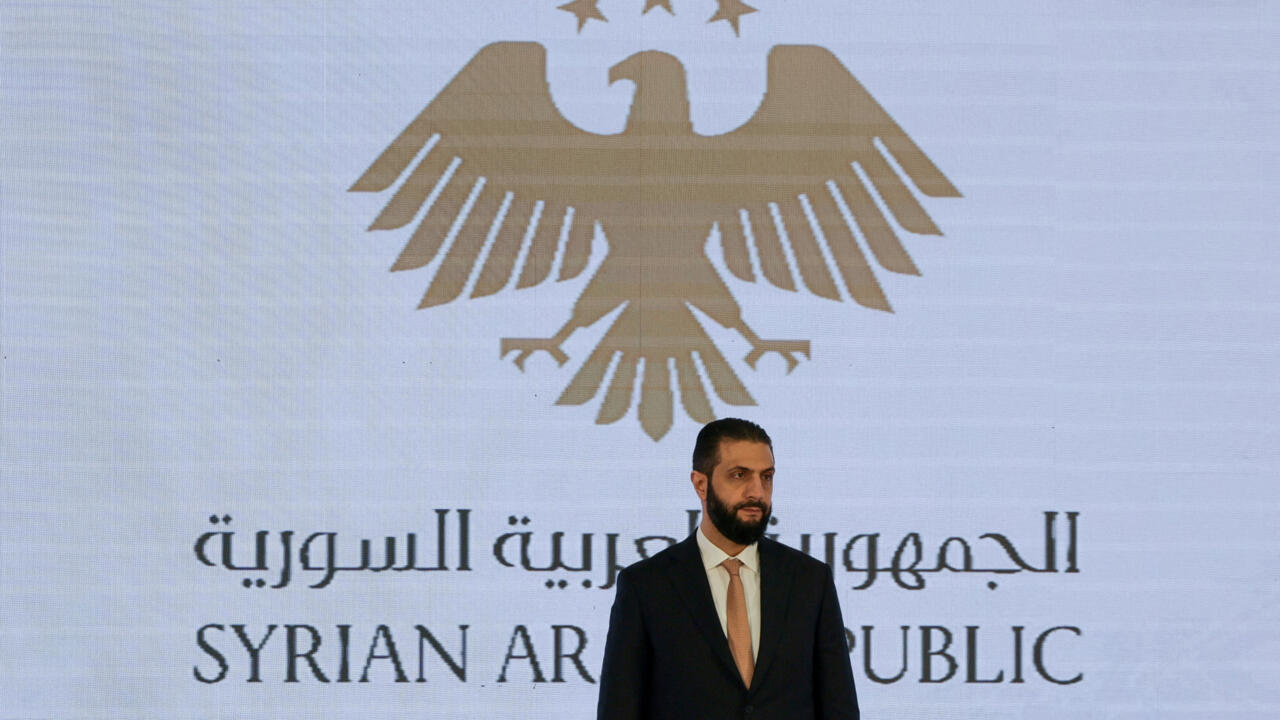
Syria Under New Leadership: A Nation Navigating Transition and Rebuilding
Syria is undergoing a dramatic conversion. Following decades of rule by the Assad family, a new management led by President Sharaa is attempting to steer the nation toward stability and recovery. this article provides an in-depth look at the current situation, the challenges ahead, and the cautious optimism surrounding SyriaS future.
A Shift in Power Dynamics
For 54 years, the Assad family, representing Syria’s Alawite minority, held power. Now, Sharaa has initiated significant changes, fundamentally reshaping Syria’s international relationships. He has actively cultivated ties with the United states and garnered support from Gulf Arab states.
This represents a clear departure from the previous reliance on Iran and Russia. Consequently, crippling Western sanctions, which had severely hampered the Syrian economy, have largely been lifted.
Promises of Reform and the Reality on the Ground
Sharaa has pledged to dismantle the repressive structures of the former regime. He envisions a Syria built on inclusivity and justice, a stark contrast to Assad’s brutal police state. however, the path to this vision is fraught with obstacles.
Sectarian violence continues to erupt,resulting in hundreds of deaths and triggering new waves of displacement.This unrest fuels mistrust among minority groups towards the current government, complicating Sharaa’s efforts to reassert control over the entire country.
Regional Autonomy and Demands for Independence
Several regions are asserting their own agendas, adding layers of complexity to the situation. The kurdish-led administration is working to preserve its regional autonomy.
Simultaneously, in the south, members of the Druze community – an offshoot of Islam – are voicing demands for complete independence.These movements highlight the deep-seated divisions within Syrian society.
A Cautious Optimism: “Syria’s Best Times”
Despite the ongoing challenges, Sharaa projects a hopeful outlook. He recently stated that ”Syria today is living its best times,” acknowledging the recent violence but emphasizing a commitment to accountability.
He has outlined a four-year transitional period dedicated to establishing robust institutions, enacting new laws, and drafting a new constitution. This constitution will be put to a public vote before nationwide elections are held.
Economic Recovery and Humanitarian Needs
The return of approximately 1.5 million refugees is contributing to economic growth, according to the central bank governor. This influx represents a positive step, but significant hurdles remain.
Humanitarian needs across Syria remain acute. The United Nations Office for the Coordination of Humanitarian Affairs estimates that 16.5 million people require assistance in 2025. Addressing these needs is paramount to ensuring stability and fostering long-term recovery.
The Legacy of Conflict
The Syrian war, which began in 2011, has left an indelible mark on the nation. Hundreds of thousands have lost their lives, and millions have been displaced, with roughly 5 million seeking refuge in neighboring countries.
The scars of conflict run deep, and addressing the trauma and loss experienced by the Syrian people will be a long and arduous process.
Looking Ahead:
* Constitutional Reform: The drafting and ratification of a new constitution will be a critical step in establishing a stable and democratic future.
* Reconciliation: fostering reconciliation between different communities is essential to overcoming sectarian divisions and building a unified Syria.
* Economic Development: Sustained economic growth is vital to providing opportunities and improving the lives of Syrian citizens.
* Humanitarian assistance: Continued international support is crucial to meeting the urgent humanitarian needs of the Syrian people.
Syria stands at a crossroads. While the challenges are immense, the commitment to reform and rebuilding offers a glimmer of hope for a brighter future. The coming years will be pivotal in determining whether Syria can overcome its past and emerge as a stable, prosperous, and inclusive nation.