
Deadly mosque Bombing in Homs Highlights Syria’s Ongoing Instability
A devastating explosion ripped through the Imam Ali Mosque in Homs, Syria on Friday, claiming at least eight lives and injuring eighteen others. The Syrian Interior Ministry swiftly labeled the incident a “terrorist bombing,” underscoring the volatile security situation in the country.This attack, occurring during crowded Friday prayers, raises serious concerns about the escalating sectarian tensions and the resurgence of extremist groups within Syria.
Here’s what you need to know about this developing situation:
* The Target: The imam Ali Mosque is a significant place of worship for Syria’s Alawite community.
* The Attack: Explosives were reportedly planted inside the mosque, detonating during peak prayer time.
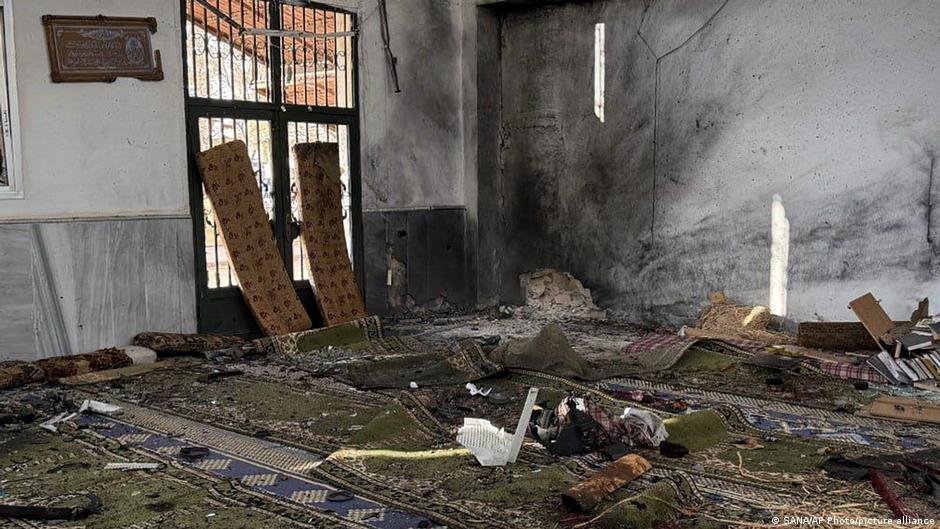
* The Aftermath: Photos released by Syrian state news agency SANA reveal extensive damage and visible bloodstains within the prayer hall.
* Casualties: As of this reporting, eight people have been confirmed dead, with eighteen injured. Health officials caution that the death toll may sadly rise.
Islamist Group Claims Responsibility
initial investigations by Syrian security forces focused on identifying the perpetrators and any potential links to armed groups. However, the Islamist militant group Saraya Ansar al-Sunna quickly claimed responsibility for the attack.
In a statement released on Telegram, the group asserted its fighters “detonated a number of explosive devices” within the mosque. This claim adds a layer of complexity to the situation, pointing towards a deliberate act of sectarian violence.
Understanding Saraya Ansar al-Sunna:
* The group emerged following the ouster of Syrian President Bashar al-Assad.
* Assad, a member of the Alawite community, was removed from power last year by a rebel offensive.
* The group’s formation coincided with a period of increased sectarian tensions and a transition to a Sunni-led interim government.
A History of Sectarian Conflict and Rising Extremism
Syria has been plagued by sectarian violence since Assad’s removal. Following his flight to Russia, Alawite communities have reportedly faced a series of crackdowns. This history of conflict provides a crucial context for understanding the motivations behind this latest attack.
The Syrian government has recently intensified security operations targeting both Assad loyalists and the Islamic State (IS) terrorist group. This heightened security habitat reflects the government’s efforts to regain control and counter the growing threat of extremism.
Recent international involvement further complicates the landscape. Just days before the mosque bombing, the United States launched airstrikes against IS targets in Syria. These strikes were in direct response to an attack that tragically claimed the lives of two American servicemen and an interpreter.
Key Recent Events:
* December 19: The U.S. conducted airstrikes on IS targets in Syria.
* Earlier in December: An attack resulted in the deaths of two U.S.troops and an interpreter, prompting the retaliatory strikes.
* Ongoing: Syria continues to grapple with the aftermath of Assad’s ouster and the rise of extremist groups.
This bombing serves as a stark reminder of the fragility of peace and the persistent threat of terrorism in Syria. As investigations continue, it’s crucial to monitor the situation closely and understand the underlying factors driving this ongoing instability. You can stay informed by following reputable news sources and analyzing the evolving dynamics within the region.


