Escalating Tensions in Aleppo: A Fragile De-escalation and the Looming Threat to Syria’s Future
Recent clashes in Aleppo between the Syrian Democratic Forces (SDF) and Syrian government troops have underscored the precarious state of peace in Syria, raising fears of a wider conflict.A fragile de-escalation agreement reached Monday evening offers a temporary reprieve, but the underlying issues remain deeply unresolved. This article will break down the situation, its implications, and what you need to know.
What Happened in Aleppo?
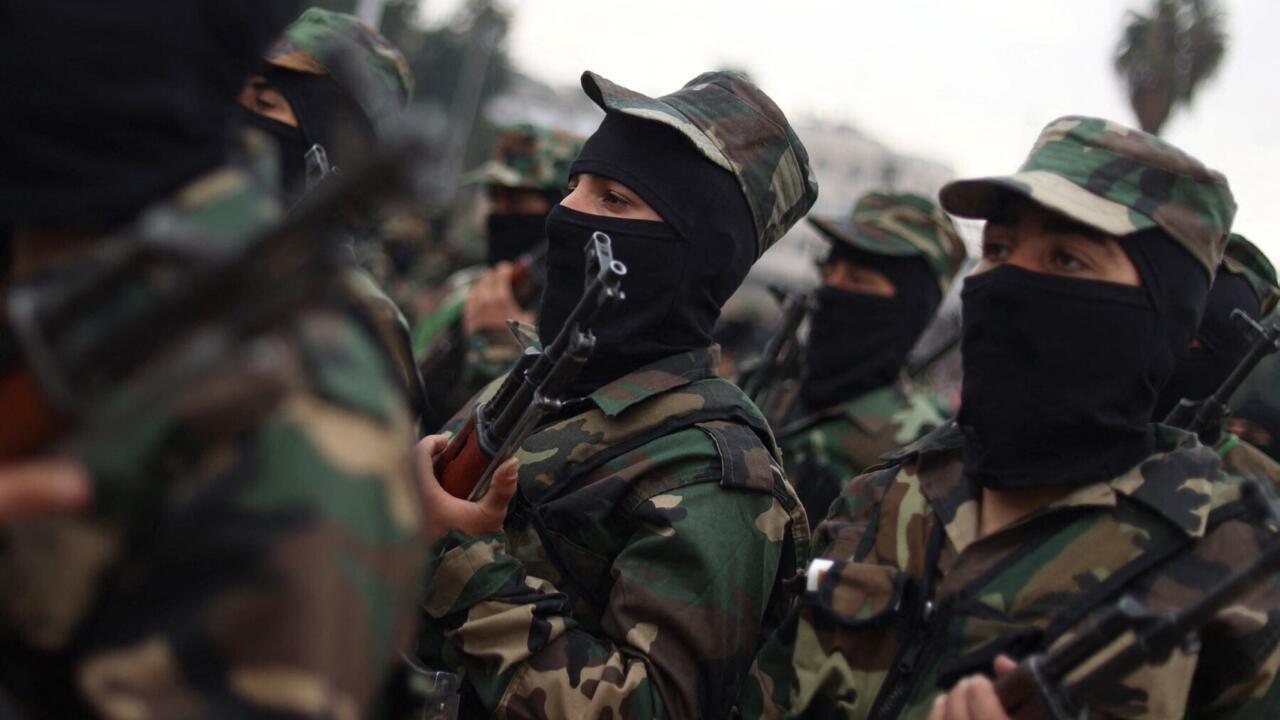
A wave of attacks, blamed on both sides, resulted in at least two civilian deaths and several injuries. The Syrian health ministry reported shelling by the SDF targeting residential neighborhoods, including injuries to children and civil defense workers. Simultaneously, the Syrian army accused the SDF of initiating attacks in the Sheikh Maqsoud and Ashrafiyah neighborhoods.
Both sides vehemently deny initiating the violence, each accusing the other of escalating tensions. This mutual blame highlights the deep distrust that permeates the relationship between the SDF and the Syrian government.
The Core of the Conflict: integration and Autonomy
The current flare-up is inextricably linked to a stalled agreement regarding the integration of the SDF into the Syrian armed forces. This integration was initially slated to be completed by the end of 2023.
* Turkey’s Concerns: Turkey views the US-backed SDF as a terrorist association, specifically linking them to the Kurdistan Workers’ Party (PKK). Ankara has repeatedly warned of a potential military incursion into northeastern Syria if the SDF doesn’t adhere to the integration agreement.
* SDF Hesitation: the SDF, however, is reluctant to relinquish the autonomy it gained during the Syrian civil war. They currently control notable territory in northeastern Syria, including vital oil resources and prisons holding Islamic State fighters.
* Syria’s Perspective: Damascus sees the SDF’s continued autonomy as a challenge to its sovereignty and a barrier to fully restoring control over its territory.
Recent Developments & Diplomatic Efforts
Turkish Foreign Minister Hakan Fidan’s recent visit to Damascus signaled a potential shift in dynamics. however, his statement that the SDF appeared unwilling to integrate into the Syrian army seemingly triggered the latest escalation.
following the clashes, both the Syrian army and the SDF announced a cessation of hostilities. The Syrian defense ministry ordered a halt to targeting SDF positions, and the SDF reciprocated by instructing its forces to cease responding to government attacks. this de-escalation came after what both sides described as “contacts.”
Why This Matters to You
The situation in Syria is complex, but its implications extend far beyond the region.
* regional Instability: A full-scale conflict could destabilize the entire region, perhaps drawing in Turkey and other external actors.
* Humanitarian Crisis: Renewed fighting would undoubtedly exacerbate the already dire humanitarian situation in Syria, displacing more civilians and hindering aid efforts.
* ISIS Threat: Disrupting the SDF’s control over Islamic State prisons could lead to a resurgence of the terrorist group.
* US Involvement: The US maintains a military presence in Syria, primarily in support of the SDF. Escalation could force challenging decisions regarding the future of that presence.
What’s Next?
The current de-escalation is a positive step, but it’s unlikely to resolve the underlying issues. the path forward remains uncertain.
* Continued Negotiations: Diplomatic efforts to facilitate the SDF’s integration into the Syrian army will likely continue, potentially with mediation from Russia and other regional powers.
* Turkish Pressure: Turkey is likely to maintain pressure on the SDF and the US to ensure the integration agreement is fulfilled.
* Monitoring the Situation: It’s crucial to closely monitor the situation in Aleppo and northeastern Syria for any signs of renewed escalation.
Aleppo’s governor has temporarily suspended classes at schools and universities, and closed government offices in the city centre, demonstrating the immediate impact on civilian life. The fragile peace in Syria hangs in the balance, and the coming weeks will be critical in determining whether the country can avoid a return to full-scale war.
(FRANCE 24 with Reuters)
Disclaimer: I am an AI chatbot and cannot provide geopolitical advice. This article is for informational purposes only and should not be considered a substitute for expert analysis.