
Syria’s Pivotal Election: A New Era or Continued Control?
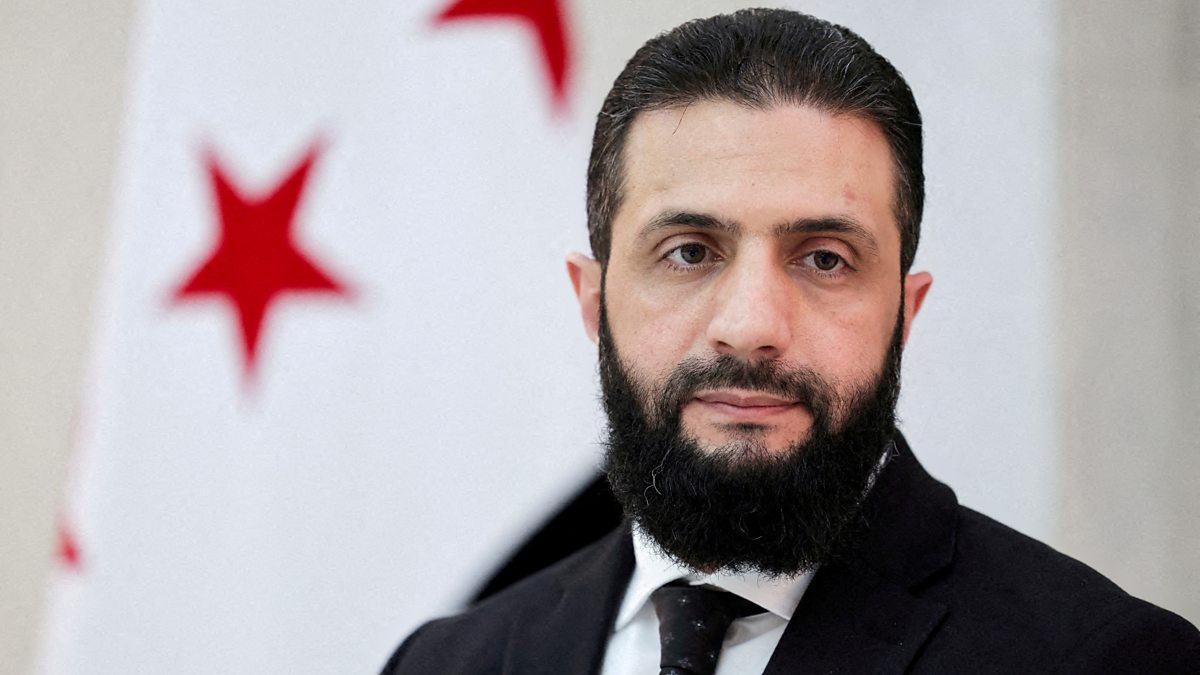
The world is watching as Syria prepares for its first elections since the fall of the Assad regime. This election, led by current President Ahmed al-Sharaa, represents a possibly seismic shift for the nation. But is this truly a transition towards democracy, or a carefully orchestrated continuation of power?
Recent appearances on the international stage, like al-Sharaa’s visit to the United Nations, have sparked intense scrutiny. His past as an al-Qaeda fighter adds another layer of complexity to the situation. Understanding the nuances of this election is crucial to grasping Syria’s future trajectory.
A Nation Forged in conflict: Understanding the Context
Syria’s path to this election has been paved with years of devastating conflict. The Assad regime’s long-standing rule ended in a brutal civil war, leaving the country fractured and its people deeply scarred.Following the regime’s fall, a power vacuum emerged, eventually filled by Ahmed al-Sharaa.
Al-Sharaa’s rise from a former militant to the nation’s leader is a remarkable, and controversial, story. His background raises questions about his commitment to democratic principles and his vision for a unified Syria. You might be wondering how a former al-Qaeda fighter coudl now be steering a nation towards potential democracy. This is a valid concern, and one that international observers are actively investigating.
What’s at Stake in syria’s Election?
This election isn’t simply about choosing a leader; it’s about defining the very soul of Syria. Several key issues are on the table:
* Political reform: Will the election lead to genuine political liberalization, or will it consolidate al-Sharaa’s power?
* Reconciliation: can Syria overcome the deep divisions created by the civil war and achieve national reconciliation?
* Economic Recovery: The Syrian economy is in ruins.Can the new government rebuild infrastructure and provide economic opportunities for its citizens?
* International Relations: How will the election impact Syria’s relationships with regional and global powers?
* Human Rights: Will the new government uphold human rights and address the abuses committed during the conflict?
These are not easy questions, and the answers will shape Syria’s destiny for decades to come.
The Challenges Ahead: Obstacles to a Democratic Transition
Despite the promise of change, important obstacles stand in the way of a smooth democratic transition.
* Security Concerns: Remnants of extremist groups continue to pose a threat to stability.
* Political Fragmentation: syria remains deeply divided along political and sectarian lines.
* Economic Hardship: Widespread poverty and unemployment fuel social unrest.
* Regional Interference: External actors continue to exert influence over syrian affairs.
* Lack of Trust: Years of conflict have eroded trust in government institutions.
Overcoming these challenges will require strong leadership, inclusive governance, and sustained international support. It’s a monumental task, and success is far from guaranteed.
Voices from Damascus: What Syrians Think
On the ground in Damascus, opinions are sharply divided. Some Syrians express cautious optimism about the election, hoping it will bring stability and prosperity. Others remain deeply skeptical, fearing that al-Sharaa will simply perpetuate authoritarian rule.
Many Syrians are focused on basic needs - food, shelter, and security. They want a government that can deliver these essentials, nonetheless of its political ideology. The desire for a peaceful and stable future is universal, but the path to achieving it remains uncertain.
The International Response: A Delicate Balancing Act
The international community is watching Syria’s election with a mixture of hope and apprehension. Many countries have called for a free and fair election, conducted under international supervision. However, there is also recognition that imposing external solutions could be counterproductive.
The key is to support Syrian-led efforts to build a more democratic and inclusive future.This requires a delicate balancing act – providing assistance while respecting Syria’s sovereignty. United Nations Assistance Mission in Syria (UNAMS) is a key player in this process.


