
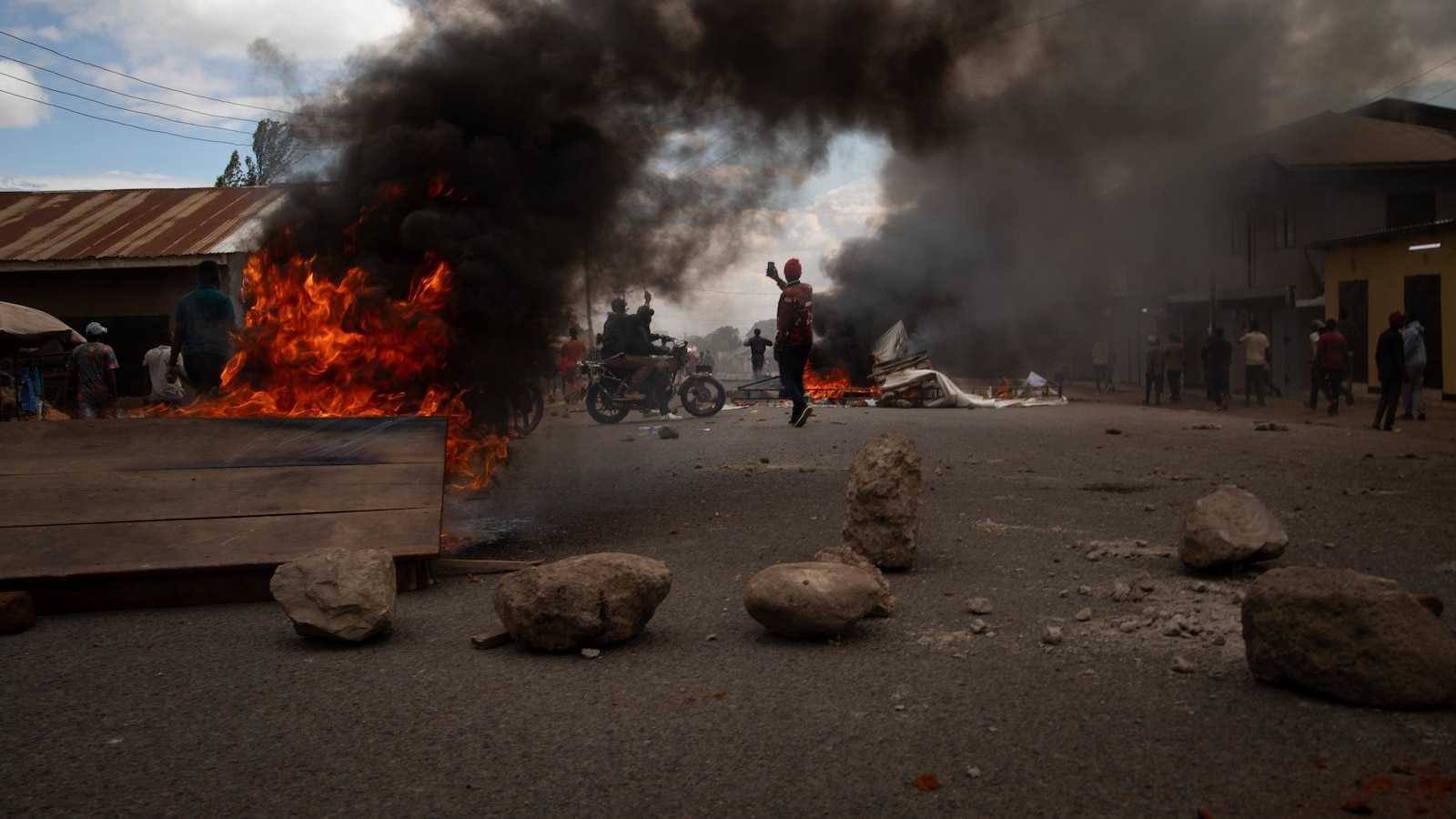
A Shift in East African Politics: Tanzania‘s Crackdown on Dissent
east Africa is witnessing a surge in youth-led movements demanding political change.Though, Tanzania stands apart, exhibiting a concerning trend of escalating authoritarianism under President Samia Suluhu Hassan. This divergence from the regional landscape warrants a closer examination, especially for those following democratic developments in Africa.
A Region in Flux
Across East Africa, established political orders are facing unprecedented challenges. Here’s a snapshot of the dynamics unfolding in neighboring countries:
* Uganda: Opposition leader Bobi Wine has galvanized a significant following with the “People Power” movement, aiming to end President Yoweri Museveni’s nearly four-decade rule. Museveni’s lowest-ever vote share in the 2021 election signaled Wine’s growing influence.
* Kenya: Young Kenyans are actively holding President William Ruto accountable for alleged corruption and broken campaign promises. Large-scale protests in Nairobi prompted a military deployment to restore order.
* mozambique: Disputed elections sparked violent street clashes last year, as supporters of opposition figure Venâncio Mondlane took to the capital, Maputo.
* Madagascar: protests, largely driven by young people, led to the ousting of President Andry Rajoelina earlier this October, triggered by widespread discontent over water and electricity shortages.
These examples demonstrate a common thread: citizens demanding greater accountability and political participation. Yet, Tanzania’s response is markedly different.
Tanzania’s Unprecedented course
For decades, Tanzania has maintained a semblance of political stability, even within a dominant-party system. Previous leaders, while firmly in control, generally tolerated a degree of opposition. Though,President hassan is accused of adopting a more authoritarian approach.
Reports indicate a crackdown on dissent, including “conducting so-called online patrols” to monitor and suppress critical voices. This represents a significant departure from the country’s political norms. You might be wondering why this shift is happening now.
The CCM’s Enduring Grip
The Chama Cha Mapinduzi (CCM) party has governed Tanzania since its independence from Britain in 1961. This remarkable longevity is due, in part, to its deep integration with the state apparatus.
Consider these key factors:
* State Fusion: CCM effectively controls the security forces and maintains a structured system for leadership succession.
* Orderly Transitions: Hassan’s ascent to the presidency following the sudden death of her predecessor, John Pombe Magufuli, was seamless, reinforcing the perception of stability.
* Rural Support: CCM enjoys considerable support, particularly in rural areas, due to its perceived role in maintaining peace and stability.
* International Ties: The party maintains close relationships, including ties with the Communist Party of China, bolstering its influence.
What This Means for Tanzania’s Future
While the orderly transition of power initially bolstered Tanzania’s reputation, the current crackdown on dissent raises serious concerns. Hassan appears resolute to extend CCM’s rule, even if it means suppressing opposition movements.
This approach is particularly troubling given the growing wave of youth-led democracy movements across the region. It remains to be seen weather Tanzania can navigate this period of political tension while upholding democratic principles. As someone interested in african politics,it’s crucial to monitor these developments closely.
Looking Ahead
The situation in Tanzania underscores the fragility of democratic progress in East Africa. While other nations grapple with challenges,thay also demonstrate a willingness to engage with demands for greater accountability. Tanzania’s path, though, points toward a more restrictive political habitat. This divergence could have significant implications for the region’s overall stability and democratic trajectory.
Disclaimer: This article provides analysis based on publicly available information and aims to offer informed insights into the evolving political landscape of East Africa.It is not intended to represent any specific political viewpoint.


