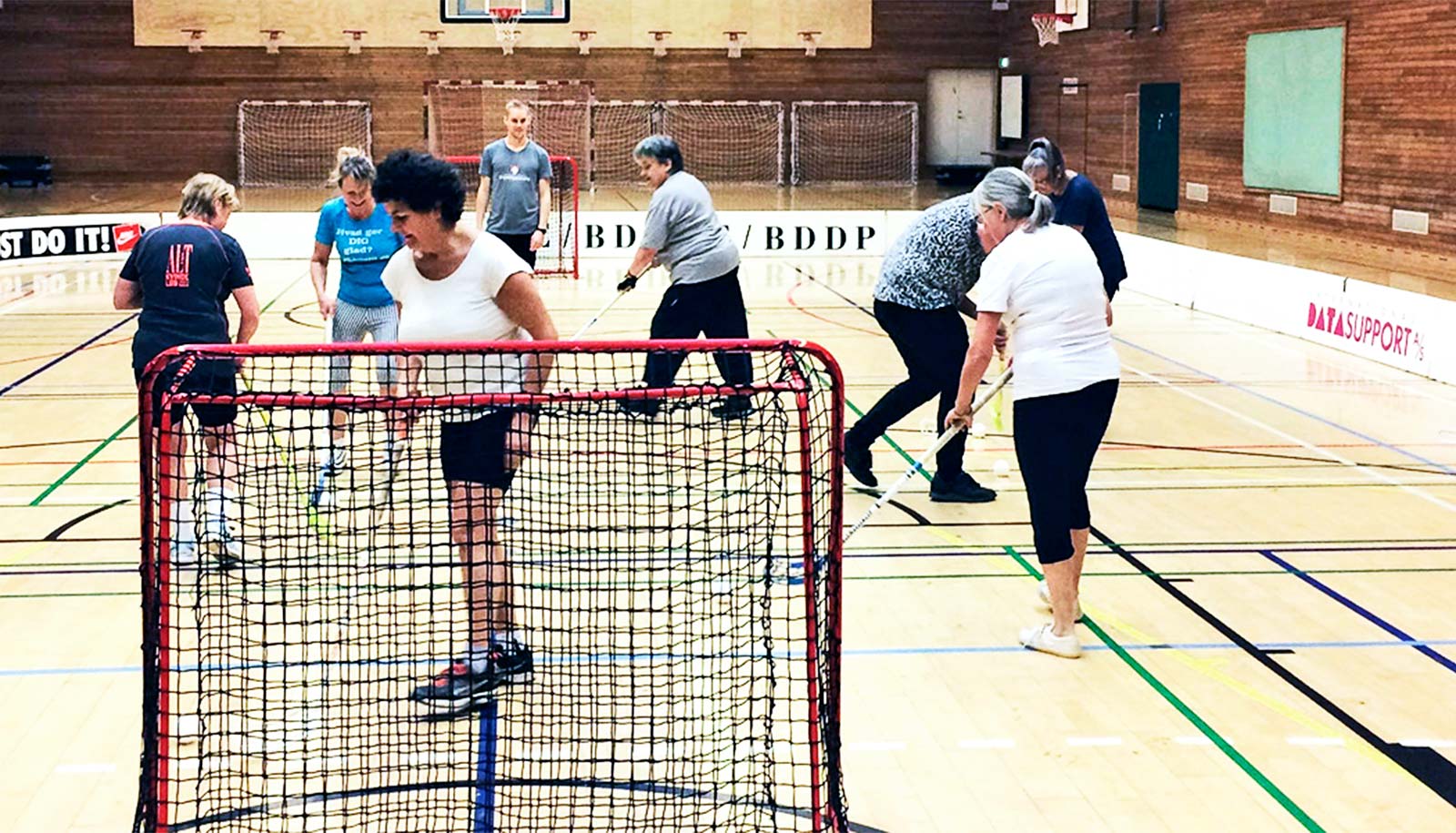
Team Sports: A Powerful, Underutilized Tool for Managing High Blood Pressure & COPD – New Research from the University of Copenhagen
(Last Updated: October 26, 2023)
For years, healthcare professionals have emphasized the importance of exercise in managing chronic conditions like high blood pressure (hypertension) and Chronic Obstructive Pulmonary Disease (COPD). But what kind of exercise is most effective, and crucially, how do we motivate sustained participation? Groundbreaking research from the University of Copenhagen suggests a surprisingly potent answer: team sports.
This isn’t just about getting a workout; it’s about leveraging the inherent social and motivational benefits of team dynamics to achieve meaningful health improvements. As a content strategist specializing in health and wellness, I’ve seen firsthand how difficult it is to translate medical advice into lasting behavioral change. This study offers a compelling solution.
The Scope of the Problem: Hypertension,COPD,and the need for innovative Solutions
Hypertension is a silent epidemic.In Denmark,approximately 25% of adults live with high blood pressure – a major risk factor for cardiovascular disease,stroke,and premature mortality. The risk is amplified for individuals also battling chronic conditions like COPD and Type 2 Diabetes. Traditional exercise regimens often struggle with adherence, leaving a critical gap in preventative and management care.
“We needed to find something that wasn’t just effective but also enjoyable and enduring for these patients,” explains Jens Bangsbo, head of the Center for Team Sport and Health at the University of Copenhagen. “That’s where team sports came into focus.”
The Study: How Team Sports Impacted blood Pressure & Functional Capacity
Published in the Journal of Functional Morphology and Kinesiology (https://doi.org/10.3390/jfmk10020209), the study involved 28 individuals diagnosed with high blood pressure. Within this group, 16 also had Type 2 Diabetes and 12 had COPD. Participants engaged in a 12-week training program, twice weekly, centered around team sports like floorball and cone ball, guided by trained staff at a municipal health centre.
The results where striking:
* Significant Blood Pressure Reduction: Participants experienced an average drop of 10-12 mmHg in systolic blood pressure. This is a clinically significant reduction,with far-reaching implications for cardiovascular health.
* Improved Functional Mobility: Participants demonstrated increased speed and agility in a functional walking test, indicating improved physical capacity.
* High Motivation & Adherence: Crucially, participants reported the training as fun, social, and motivating – factors that directly contribute to long-term adherence.
Why is a 10-12 mmHg Drop in Systolic Blood Pressure So Vital?
Let’s break down the impact. Systolic blood pressure, the top number in a reading, measures the pressure