Navigating the Complex Landscape of Minors’ Reproductive Healthcare Access
The ability of minors to access reproductive healthcare, including abortion and contraception, is facing increasing legal and logistical challenges across the United States. This article provides a comprehensive overview of the current state of parental involvement laws, judicial bypass procedures, and emerging legislative trends impacting adolescent healthcare access. We will explore the hurdles minors face, recent legal developments, and potential future implications for reproductive rights. This analysis draws upon legal precedents, research studies, and current legislative actions to offer an authoritative understanding of this critical issue.
Understanding Parental Involvement Laws
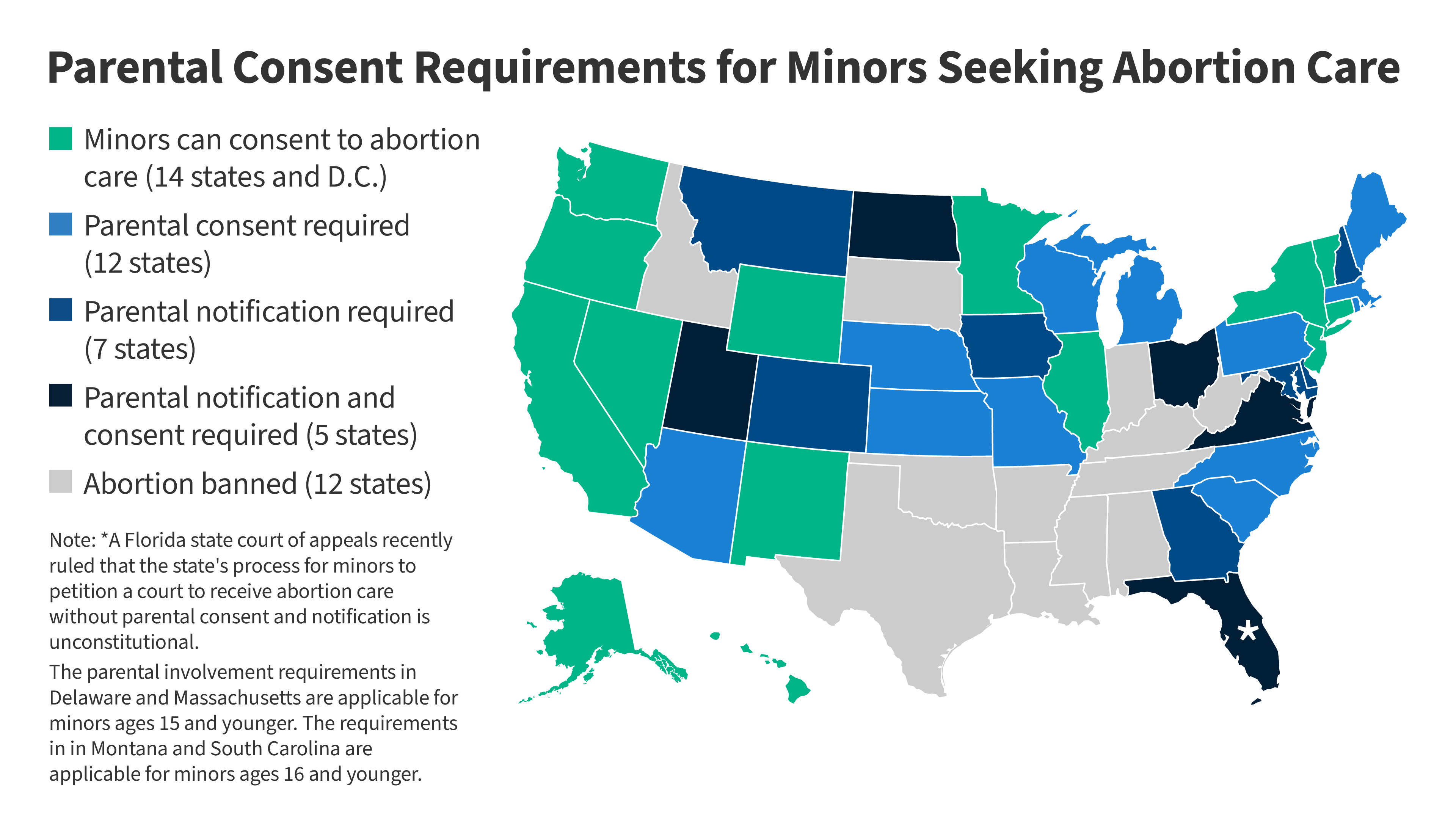
Currently, 36 states have laws requiring some form of parental involvement in a minor’s abortion decision. These laws generally fall into two categories: parental consent and parental notification.
Parental Consent: These laws require a minor to obtain written permission from a parent or legal guardian before an abortion can be performed.
Parental Notification: These laws mandate that a parent or legal guardian be informed of a minor’s intention to have an abortion.
These laws are predicated on the belief that parents have a right to be involved in important medical decisions concerning their children. However, they often fail to account for situations where a minor may be unable or unwilling to involve their parents due to fear of abuse, neglect, or family conflict. This is where the judicial bypass process becomes crucial.
The Judicial Bypass: A Critical Pathway, But Not Without Obstacles
Recognizing the potential for harm in requiring parental involvement in all cases, many states with parental consent or notification laws offer a judicial bypass procedure. This allows a minor to petition a court for permission to obtain an abortion without parental involvement.
The process,while intended to protect vulnerable minors,is often fraught with difficulties. Typically, a petition must be filed and a hearing scheduled within a very short timeframe – often under a week after the petition is filed. This rapid timeline can be challenging for minors to navigate, especially those lacking resources or legal depiction.
Several factors contribute to these difficulties:
In-Person Requirements: most states require minors to appear in court in person, which can be logistically challenging, especially for those in rural areas or with limited transportation.
Counseling mandates: Some states mandate a counseling appointment as part of the process, potentially conflicting with school schedules and further delaying care. Potential Parental Notification Upon Denial: Alarmingly, in some states, parents are notified if the minor’s request for a judicial bypass is denied, potentially exposing the minor to harm.
Impact on Timely Access to Care: The Massachusetts Study
Research demonstrates that the judicial bypass process can significantly delay access to abortion care. A study conducted in Massachusetts, a state with parental consent requirements, found that minors who obtained parental consent accessed abortion care an average of 8.6 days after initial contact with a provider. In contrast, those utilizing the judicial bypass process experienced an average delay of 14.2 days – nearly six days longer. This delay can be particularly critical for minors later in their pregnancies. https://pubmed.ncbi.nlm.nih.gov/30969206/
Recent Legislative Trends: Expanding Restrictions and Criminalization
In recent years, several states have enacted legislation that further restricts minors’ access to reproductive healthcare, moving beyond parental involvement to outright criminalization of support networks.
Idaho & Tennessee Laws (2023-2024): Idaho and Tennessee passed laws criminalizing aiding a minor in obtaining an abortion outside of the state without parental consent, even if the abortion is legal in the destination state. These laws effectively target individuals who help minors access care, including family members, friends, and advocates. These laws have been widely criticized as infringing on the right to travel and potentially violating federal constitutional principles.
* Legal Challenges & Court Rulings: Both laws faced immediate legal challenges. While preliminary injunctions initially blocked enforcement, the Ninth Circuit Court of Appeals partially reinstated the Idaho law in december 2024, excluding the provision prohibiting the dissemination of accurate abortion facts. The Tennessee case remains pending appeal. https://legislature.idaho.gov/statutesrules/idstat/title18/t18ch6/sect18-623/ [https://legiscan.com/TN/text/HB1895/id/3005783/Tennessee-2