Close Call in Tennessee: What a Special Election Reveals About the 2026 Midterms
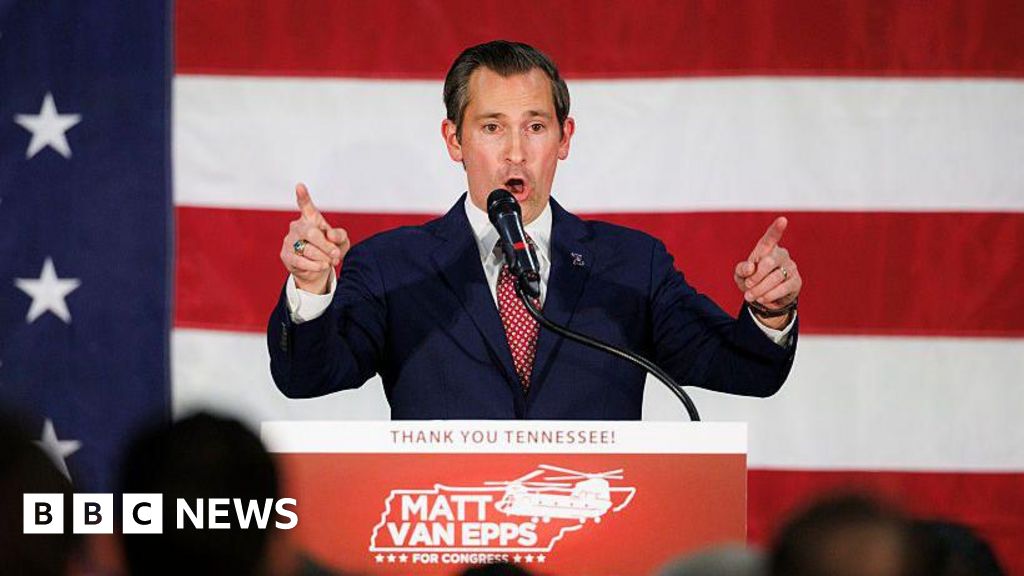
A recent special election in Tennessee’s 5th Congressional District has sent ripples through both Democratic and Republican circles, signaling potential shifts in the political landscape as the 2026 midterm elections approach. While Republican Mark Van Epps ultimately secured the seat, the surprisingly tight race against Democrat Aftyn Behn has sparked debate and analysis about voter motivation and the enduring influence of former President Donald Trump.
A Surprisingly Competitive Race
The outcome wasn’t the landslide many expected in a state consistently dominated by Republican voters. Behn conceded defeat, but not without emphasizing the importance of her campaign. “This is just the beginning,” she stated, acknowledging the momentum built despite the loss.
Behn herself highlighted the campaign’s success in demonstrating that states like Tennessee are “still worth fighting for.” She credited the close margin to the dedication of thousands of volunteers.
Notably, Behn carried Davidson County, home to Nashville, but lost ground in all other counties within the district. This geographic split underscores the challenges Democrats face in expanding their reach beyond urban centers in the state.
Millions Spent to Hold a Republican Seat
Political observers are taking note of the resources Republicans poured into defending what should have been a safe seat. Democratic operative Ian Russell, who consulted for the Behn campaign, pointed out that Trump “had to spend millions of dollars to hold this seat.”
This level of investment,Russell argues,is “a very,very bad sign for them heading into the midterms.” It suggests a vulnerability that wasn’t previously apparent.
Republican Concerns Surface
Some within the Republican party share this concern. Anonymous sources speaking to Politico described the race as “too close” for comfort. One House member cautioned that Republican success hinges on party unity and a strategic approach from the Trump administration.
senator Ted Cruz offered a diffrent outlook during a Fox News interview, suggesting the race was lost because of voters motivated by their dislike of president Trump. He believes the 2026 elections will be decided by which party can generate higher voter turnout. “Hate is a powerful motivator,” Cruz stated, implying that anti-Trump sentiment could drive Democratic voters to the polls.
Understanding the Tennessee Landscape
It’s crucial to remember that Tennessee remains firmly within Trump’s base. He won the state with 64% of the vote in the last presidential election, and exceeded 60% in the two elections prior. This context makes Behn’s strong showing even more remarkable.
Candidate Profiles: A Contrast in focus
The candidates themselves presented distinct profiles to voters. Van Epps, a military veteran with nine tours in iraq and Afghanistan, secured a last-minute endorsement from Trump after navigating a competitive primary focused on loyalty to the former president.
In contrast, Behn centered her campaign on issues of affordability and improving local quality of life. This focus resonated with voters concerned about everyday challenges,but ultimately wasn’t enough to overcome the Republican advantage in the district.
What Does This Mean for 2026?
This special election offers several key takeaways:
* Increased Democratic Engagement: Democrats are demonstrating a willingness to compete in traditionally Republican strongholds.
* Trump’s Continued Influence: The former president remains a powerful force, but his presence can also be a motivating factor for the opposition.
* Turnout is Key: The 2026 midterms will likely be decided by which party can effectively mobilize its base.
* Local Issues Matter: Behn’s focus on affordability resonated with voters, highlighting the importance of addressing everyday concerns.
Ultimately, the Tennessee special election serves as a wake-up call for both parties. It demonstrates that even in deeply conservative states, a well-funded and focused campaign can challenge the status quo. As we look ahead to 2026, it’s clear that the political landscape is shifting, and both Democrats and Republicans will need to adapt to remain competitive.