
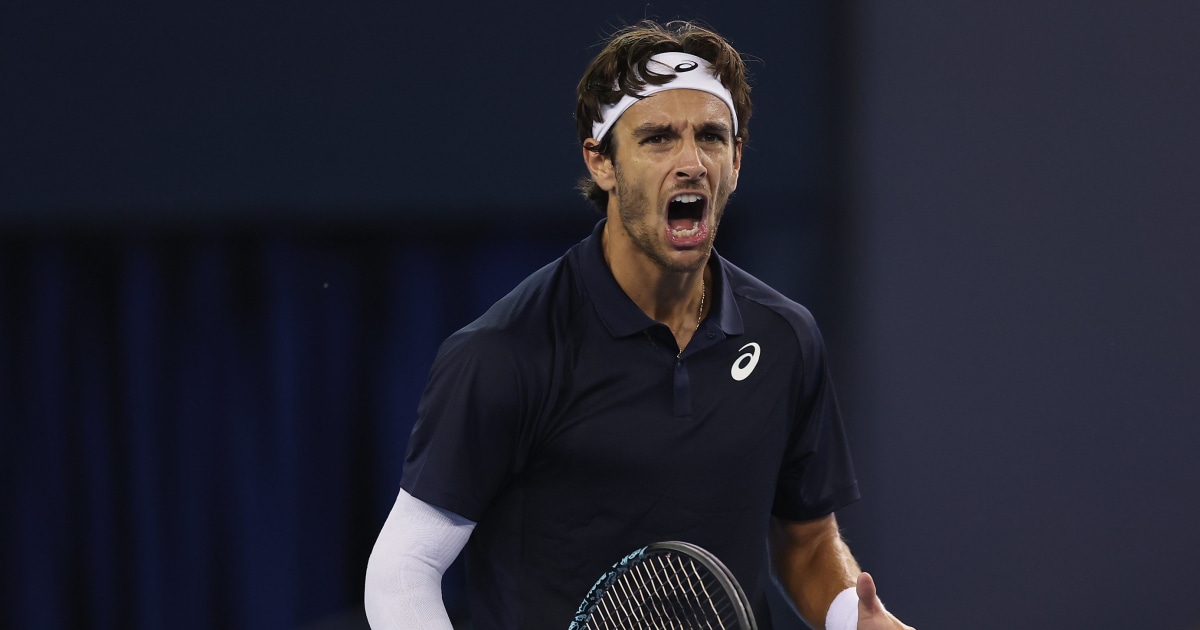
Lorenzo Musetti‘s Outburst & A Pattern of Insensitivity in Tennis: Navigating Cultural nuances on the Global stage
Tennis is a global sport, demanding not only athletic prowess but also cultural awareness. Recently, two incidents involving prominent players – Lorenzo Musetti and Taylor Townsend – have highlighted the challenges athletes face in navigating these complexities, especially when interacting with diverse audiences. These events underscore the importance of respectful conduct and the swift need for accountability in a highly visible arena.
Musetti Apologizes for On-Court Remark in Beijing
italian tennis star Lorenzo musetti, currently ranked No. 9 globally, issued a sincere apology to Chinese fans following a heated exchange during his China Open match against Giovanni Mpetshi Perricard.The incident occured during a second-set tiebreaker when Musetti, visibly frustrated by coughing from the crowd, reportedly exclaimed a derogatory remark directed towards the audience.
Local media outlets reported Musetti used a slur and specifically referenced “Chinese” individuals.The outburst quickly ignited outrage on social media, with many accusing the player of racism.
Musetti addressed the controversy Saturday via Instagram, stating his words were aimed at “a few individuals” whose repeated coughing disrupted play. he emphasized his comments were “never,in any way,meant for the Chinese people,” attributing the remark to a moment of stress during a crucial point. Despite the distraction, Musetti ultimately secured a victory in the match.
A Second Incident: Townsend’s Comments on Chinese Cuisine
This incident isn’t isolated. Just weeks prior, American player taylor Townsend faced criticism for culturally insensitive remarks made while in Shenzhen for the Billie Jean King Cup.
Townsend shared a video on Instagram (now deleted) expressing shock and disapproval of local delicacies offered at a buffet, including bullfrogs and soft-shelled turtles. She rated the dining experience a “solid 2 out of 10,” sparking a swift backlash.
Townsend quickly apologized, stating her experience in China had been overwhelmingly positive and her previous comments didn’t reflect that.She acknowledged the remarks were inappropriate and expressed regret.
Why These Incidents Matter: The Evolving Landscape of Athlete Responsibility
These situations raise crucial questions about athlete responsibility in a globalized world. Here’s what you need to understand:
* Increased Scrutiny: Social media amplifies every action, making athletes accountable for their words and behaviors like never before.
* Cultural Sensitivity is Key: Traveling and competing internationally requires a genuine effort to understand and respect local customs and traditions.
* Impact Beyond the Court: Athletes are role models, and their actions can substantially influence public perception and international relations.
* The Need for Education: Sports organizations have a responsibility to provide cultural sensitivity training for players.
musetti’s Past Conduct & The Importance of Consistent Respect
This isn’t the first time Musetti has faced scrutiny for on-court behavior.In June, he received a warning for unsportsmanlike conduct after accidentally kicking a ball at a line judge during the French Open. While unintentional, he instantly apologized and accepted the warning.
However,the Beijing incident carries a different weight. It highlights a pattern of reacting poorly under pressure and a lack of awareness regarding potentially offensive language.
Moving Forward: Fostering Respect and Understanding
These incidents serve as a valuable learning opportunity for the tennis community. Here’s how we can promote a more inclusive and respectful environment:
* Proactive Education: Implement mandatory cultural sensitivity workshops for all professional players.
* Clear Guidelines: Establish clear codes of conduct regarding respectful behavior towards fans and host cultures.
* Swift Accountability: Address inappropriate behavior promptly and decisively.
* Promote Dialog: Encourage open conversations about cultural differences and sensitivities.
Ultimately, success in professional tennis extends beyond athletic ability.It demands empathy, respect, and a commitment to representing the sport with integrity on a global stage. For both Musetti and Townsend, these apologies represent a first step, but sustained effort and genuine understanding are crucial for rebuilding trust and fostering a more inclusive environment for all.


